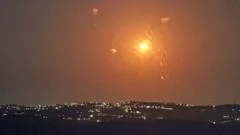
The world just crossed a psychological threshold that hits home for millions of people — from the cost of filling a car to the price of everyday goods. Oil has surged past $100 a barrel for the first time since July, and the trigger is a dramatic flare-up in the long-simmering conflict between the United States and Iran.
Brent Crude Breaks the $100 Barrier After US Strikes on Iranian Tankers
Brent crude — the global benchmark that sets the price for oil worldwide — rose sharply on Tuesday after the US military targeted five Iranian tankers. This marks the first time the benchmark has touched triple digits since July, according to the original report.
The strike represents a significant escalation in the US-Iran confrontation, moving the conflict from diplomatic rhetoric and cyber operations into direct military engagement with Iranian assets at sea.
Why a Tanker Strike in the Gulf Sends Shockwaves Through Your Wallet
This is not just a geopolitical headline — it is a direct line to household budgets. When oil crosses $100, the effects ripple through petrol prices at the pump, aviation fuel costs that shape airfares, and the transportation expenses embedded in nearly every product on store shelves.
For Indian consumers, who import over 80% of their crude oil needs, this price movement carries immediate implications. Fuel prices in India are already sensitive to global crude movements, and a sustained rise above $100 could translate into higher costs for diesel, petrol, and cooking gas in the coming weeks.
Timeline of Rising Tensions: From Sanctions to Open Conflict at Sea
The path to this moment has been marked by escalating steps. The US and Iran have been locked in a confrontation over Tehran's nuclear program, regional military activities, and economic sanctions for years.
Tuesday's action against the tankers represents one of the most direct military moves in this cycle of tension. The decision to strike Iranian vessels signals that the US is willing to use force to enforce its policy objectives, a stance that markets read as a warning of broader conflict potential.
Who Bears the Cost When Oil Crosses $100
The burden of this price surge falls unevenly. Oil-importing nations like India, Japan, and South Korea face immediate pressure on their import bills and currency values. Developing economies with weaker currencies feel the pinch most acutely, as oil is priced in dollars.
For everyday citizens, the impact is felt through transportation costs, food prices, and the general inflation that follows energy price spikes. Commuters, small business owners, and logistics operators are typically the first to feel the strain.
Washington's Military Posture and the Message to Tehran
The US decision to strike five Iranian tankers sends a clear signal about Washington's willingness to project military force in the region. The action suggests that the US is prepared to disrupt Iranian oil exports and maritime activities directly, rather than relying solely on sanctions and diplomatic pressure.
Officials have not yet detailed the full scope of the operation or its intended strategic objectives, leaving room for interpretation about whether this is a one-time punitive action or the beginning of a sustained campaign.
Reading the Market's Reaction: Fear Premium or Fundamental Shift
The jump past $100 reflects what traders call a "risk premium" — the extra cost built into oil prices when geopolitical events threaten supply. The market is essentially pricing in the possibility that the conflict could disrupt oil flows from the Middle East.
The critical question is whether this price level represents a temporary spike driven by fear or a more fundamental shift in the oil market's supply outlook. If the conflict remains contained, prices could retreat. If it expands to threaten shipping lanes like the Strait of Hormuz, the current levels could be just the beginning.
Verified Facts vs What Remains Unclear in the Tanker Strike Story
What is confirmed: Brent crude rose above $100 a barrel for the first time since July. The US struck five Iranian tankers on Tuesday.
What remains unclear: The extent of damage to the tankers, the specific location of the strikes, Iran's response strategy, and whether further US military actions are planned. The original report does not specify these details, and they should be treated as unknown until official confirmation emerges.
Risks and the Fragile Balance in Global Energy Markets
The current situation carries significant risks on multiple fronts. A full-blown conflict could disrupt the Strait of Hormuz, through which roughly 20% of global oil consumption passes. Such a disruption would have consequences far beyond the current $100 price level.
There are also countervailing forces. Global economic slowdown concerns, increased US shale production, and potential diplomatic off-ramps could all act to moderate prices. The market is balancing geopolitical fear against economic reality, and the outcome remains genuinely uncertain.
The Broader Pattern: Middle East Conflict and Energy Price Cycles
This is not the first time Middle East tensions have pushed oil to dramatic levels, and it likely will not be the last. The pattern is well-established: geopolitical events in the region create supply fears, prices spike, and the global economy absorbs the shock.
What makes this episode notable is the direct military engagement between the US and Iran, which raises the stakes beyond the proxy conflicts and sanctions battles that have characterized recent years.
What Should Consumers and Businesses Do Now
For consumers, the immediate advice is to expect potential fuel price adjustments and plan accordingly. For businesses that depend heavily on transportation or energy inputs, this is a moment to review supply chain vulnerabilities and consider hedging strategies.
For investors, the oil price movement warrants attention to energy sector stocks, but also caution about the broader economic implications of sustained high oil prices, which can act as a tax on global growth.
What Happens Next in the US-Iran Standoff
The immediate focus will be on Iran's response to the tanker strikes. Tehran's options range from diplomatic protests to retaliatory actions against US interests or shipping in the region.
Oil markets will be watching for any signs of disruption to major shipping routes, as well as signals from Washington about whether further military action is planned. The price trajectory in the coming days will depend heavily on these developments.
Our Take
The crossing of the $100 threshold is a reminder of how interconnected geopolitical events are with everyday economic life. What happens in the waters of the Middle East does not stay there — it travels to petrol pumps, grocery shelves, and household budgets across India and the world.
The situation demands careful watching, not panic. Oil prices are volatile by nature, and geopolitical events can shift quickly. But the underlying reality is that the world remains heavily dependent on a region where conflict risks persist, and that vulnerability has a price.
Frequently Asked Questions
Why did oil prices cross $100 a barrel?
Oil prices crossed $100 a barrel because the US military struck five Iranian tankers on Tuesday, escalating the US-Iran conflict. Markets fear this could disrupt oil supplies from the Middle East, so traders pushed Brent crude prices higher.
How does the $100 oil price affect fuel costs in India?
India imports over 80% of its crude oil needs, so global price increases directly impact domestic fuel prices. A sustained rise above $100 could lead to higher petrol, diesel, and cooking gas prices in India, potentially affecting inflation and household budgets.
What is Brent crude and why does it matter?
Brent crude is the global benchmark used to price about two-thirds of the world's internationally traded oil. When Brent prices rise, it signals that oil is becoming more expensive globally, which affects fuel prices and energy costs in most countries.
Could oil prices go even higher from here?
Oil prices could rise further if the US-Iran conflict expands to disrupt major shipping routes like the Strait of Hormuz. However, prices could also retreat if the conflict de-escalates or if global economic slowdown concerns reduce oil demand. The direction depends on how the geopolitical situation develops.