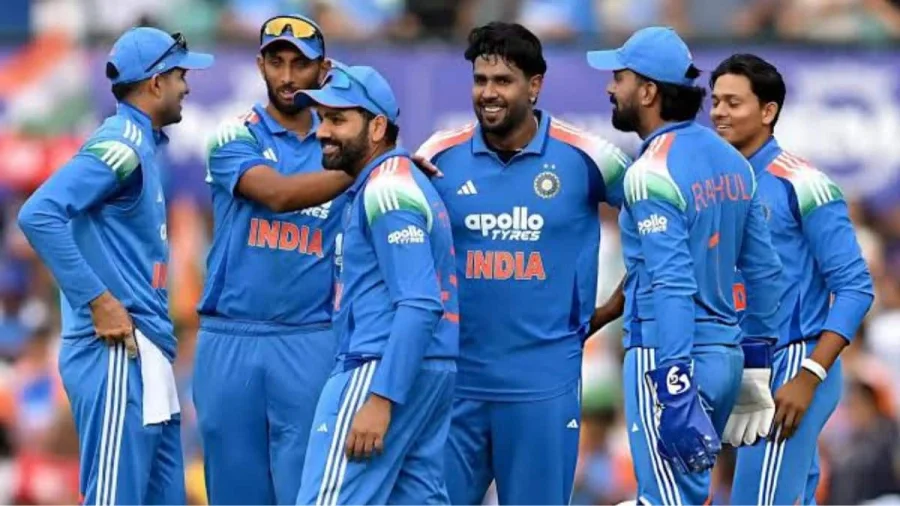
The next year of Indian cricket is not for the faint-hearted. Between September 2026 and February 2027, the men's team will crisscross formats and opponents — from the familiar hostility of Australia to the rising challenge of Afghanistan. For fans, it means nearly non-stop cricket. For the players, it is a test of endurance, adaptability, and nerve.
Six Opponents, Three Formats, One Relentless Calendar
The India men's cricket schedule 2026-27 reads like a tour of the sport's most competitive landscapes. T20Is against Afghanistan open the window, followed by assignments against West Indies, New Zealand, Sri Lanka, Zimbabwe, and a headline Test series against Australia. Each series carries its own context — some are World Test Championship battles, others are white-ball tune-ups with an eye on future ICC events.
Why This Stretch Could Define India's Next Cycle
This is not just another bilateral calendar. The results across these six months will feed directly into World Test Championship calculations and shape the team's rhythm heading into major ICC tournaments. A strong showing against New Zealand and Australia at home or away could cement India's position at the top of the Test standings. Meanwhile, the white-ball fixtures offer the management a chance to test bench strength and rotate workloads.
Afghanistan First: A Delhi Series With a Hosting Twist
India's immediate assignment is a three-match T20I series against Afghanistan, scheduled from September 13 to 17. All three matches will be played at the Arun Jaitley Stadium in Delhi. The unusual part? This is officially an Afghanistan home series. Afghanistan have increasingly used Indian venues as their de facto home ground in recent years, a practical arrangement given the geopolitical constraints they face. For Indian fans, it means a rare chance to see two subcontinental sides battle in familiar conditions — with Afghanistan enjoying something close to home support.
What This Means for Indian Cricket Fans
For supporters, the India cricket schedule 2026-27 offers a mix of marquee rivalries and lesser-hyped but equally important contests. The Australia series will dominate headlines and ticket demand. But the matches against Zimbabwe and Sri Lanka could be where younger players stake their claim. The sheer volume of cricket also means squad rotation will be inevitable — expect debuts and comeback stories across the window.
Selectors and Management Face a Juggling Act
Behind the scenes, the team management and selectors will be mapping out workload strategies months in advance. With six different opponents and all three formats squeezed into roughly five months, player management becomes as critical as on-field tactics. The BCCI's approach to resting senior players during less critical white-ball series will be closely watched, especially with the Test calendar carrying extra weight.
Reading Between the Lines of the Calendar
The structure of this schedule reveals priorities. Test cricket against New Zealand and Australia signals a focus on the World Test Championship. The T20I-heavy early phase suggests preparation for future ICC white-ball events. And the use of Indian venues for Afghanistan's home series reflects cricket's diplomatic realities — where boards adapt and cooperate to keep the game alive in challenging regions.
Confirmed Details vs What's Still Open
What is confirmed: the September 13–17 T20I series against Afghanistan at Arun Jaitley Stadium, Delhi, and the overall window from September 2026 to February 2027 featuring the six named opponents. What remains unclear: exact dates and venues for the West Indies, New Zealand, Sri Lanka, Zimbabwe, and Australia series, along with squad compositions and whether any matches will be moved to neutral venues. Fans should treat any unannounced fixture details as speculative until the BCCI releases the full itinerary.
Why India's Schedule Depth Matters Beyond Results
Beyond wins and losses, this calendar is a commercial and logistical engine. Every home series generates significant revenue, every away tour tests the team's resilience in foreign conditions. The scheduling also impacts domestic cricket — players pushing for national selection will know exactly which windows offer opportunities. For Indian cricket's ecosystem, this is the annual rhythm that keeps the sport alive across the country.
Risks and the Workload Debate
Not everyone will celebrate this packed calendar. Former players and fitness experts have repeatedly warned about the dangers of excessive cricket — injuries, burnout, and shortened careers. The 2026-27 window, with its dense clustering of series, will reignite that debate. The counter-argument is equally strong: more cricket means more revenue, more exposure for young players, and more entertainment for fans. The balance between commercial demands and player welfare remains cricket's most persistent tension.
A Global Trend: Cricket's Ever-Expanding Calendar
India is not alone in facing a crowded schedule. Across the cricketing world, boards are packing more bilateral series, franchise leagues, and ICC events into every year. The 2026-27 Indian calendar is a microcosm of a sport stretched thin by its own popularity. How teams manage this load — through rotation, rest, and squad depth — is becoming the defining strategic challenge of the modern game.
How Fans Should Plan for the Season Ahead
For those planning to attend matches or follow closely, the advice is simple: track official BCCI announcements for venue confirmations and ticket releases. The Afghanistan series in Delhi is the immediate priority. For the Australia and New Zealand Tests, expect high demand — early booking and official channels are the safest route. Follow verified team accounts rather than speculative social media posts for squad news.
What Could Change Before the First Ball
Cricket schedules are rarely set in stone. Weather, political tensions, bilateral disputes, or franchise league clashes can force rescheduling. The Afghanistan series, given its unique hosting arrangement, carries additional logistical sensitivity. While the current India cricket schedule 2026-27 appears firm, flexibility will be required from all parties involved.
Our Take
This is a defining stretch for Indian cricket — not just for results, but for how the team manages its resources across formats. The Afghanistan series opener is a reminder of cricket's ability to adapt and survive in difficult circumstances. The Australia Tests will be the ultimate measuring stick. Between those bookends lies a season that could launch new careers, test veteran resolve, and shape India's identity heading into the next ICC cycle. For fans, it is a privilege to witness. For the players, it is a marathon that demands everything.
Frequently Asked Questions
When does India's 2026-27 international season begin?
India's 2026-27 international season begins with a three-match T20I series against Afghanistan from September 13 to 17, 2026, at the Arun Jaitley Stadium in Delhi.
Which teams will India face during the 2026-27 season?
India will face Afghanistan, West Indies, New Zealand, Sri Lanka, Zimbabwe, and Australia across T20Is, ODIs, and Tests between September 2026 and February 2027.
Why is the Afghanistan vs India series being played in Delhi?
Afghanistan officially hosts the series but uses Indian venues as their home ground — an arrangement Afghanistan has relied on in recent years due to constraints on hosting international cricket in their own country.
Will the Australia series in 2026-27 include Test matches?
Yes, the Australia assignment is expected to be a marquee Test series, carrying significant weight for the World Test Championship standings, though exact dates and venues are yet to be officially confirmed.