For 12 years, an elderly woman in Odisha's Sundargarh district lived under a social boycott so complete that even death could not end her isolation. When she passed away, villagers refused to help her grieving daughter perform the last rites — a final act of ostracisation that has now drawn the National Human Rights Commission into the case.
How a village turned its back for over a decade
The woman, a resident of Mahuldiha village, had allegedly been subjected to social ostracisation for nearly 12 years, according to the NHRC's suo motu notice. The reasons behind the boycott remain unclear, but the consequences were devastating: she was cut off from community life, denied social interaction, and left to live in isolation within her own village.
When death did not end the boycott
The ostracisation did not stop with her death. When her daughter sought help from fellow villagers to perform the final rites — a sacred duty in Hindu tradition that typically involves community participation — the villagers refused. The delay in conducting the last rites added a layer of indignity to a life already marked by exclusion.
NHRC steps in with a two-week deadline
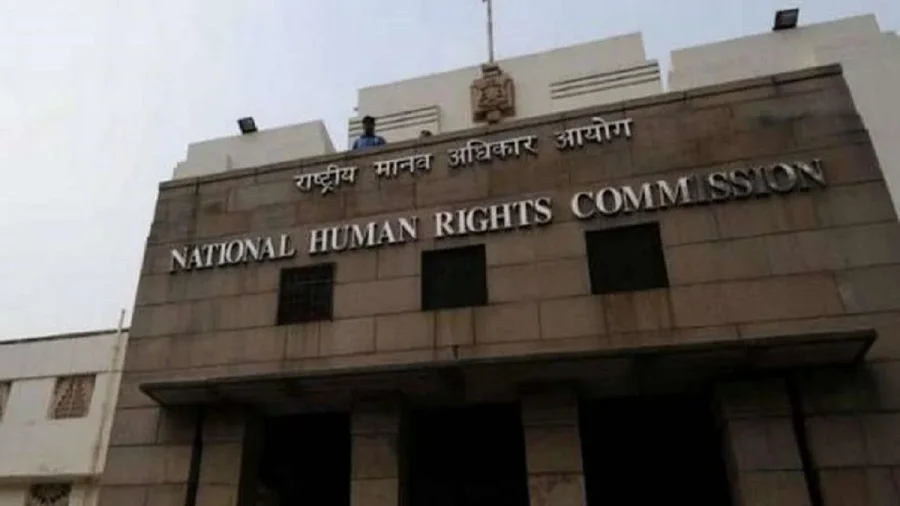
Taking suo motu cognisance of media reports, the NHRC on Monday issued a notice to the Odisha chief secretary. The commission has directed the state government to submit a detailed report within two weeks, explaining why local authorities failed to intervene in what appears to be a clear violation of fundamental rights.
Who is affected by this pattern of ostracisation
This case highlights a deeply troubling reality in rural India: social boycotts, often enforced by caste panchayats or community elders, can strip individuals of their basic dignity. The victim's daughter, left to navigate the funeral alone, represents the collateral damage — families of ostracised individuals often bear the burden of exclusion long after the original dispute.
What the Odisha government has been asked to explain
The NHRC notice specifically seeks details on what steps, if any, were taken by district administration and police to prevent or address the 12-year boycott. The commission is also expected to examine whether the denial of last rites constitutes a violation of the right to life with dignity under Article 21 of the Constitution.
Why this case matters beyond Sundargarh
Social ostracisation remains a persistent issue in many parts of India, often used as a tool of punishment by community bodies. The NHRC's intervention signals that such practices, even when rooted in local customs, cannot escape scrutiny under human rights law. This case could set a precedent for how authorities respond to similar complaints in the future.
Confirmed Facts vs What Remains Unclear
Confirmed: The NHRC has issued a notice to the Odisha government based on media reports. The woman faced a 12-year social boycott. Villagers refused to assist with last rites. The commission has sought a report within two weeks.
Unclear: The exact reason for the social boycott has not been officially stated. Whether local police or administration were aware of the situation earlier is under investigation. The current status of the last rites — whether they were eventually performed with administrative help — remains unconfirmed.
Risks and Concerns: When community justice becomes injustice
Social boycotts often operate outside formal legal systems, making them difficult to police. Critics argue that local authorities are sometimes reluctant to intervene in what they view as "community matters." This case raises uncomfortable questions about the limits of state power in rural social dynamics and the vulnerability of individuals who fall afoul of community norms.
Wider Pattern: Social ostracisation as a tool of control
Across India, social boycotts have been reported in cases involving inter-caste marriages, land disputes, political disagreements, or alleged violations of local codes. The NHRC has previously intervened in similar cases, but enforcement remains inconsistent. This Sundargarh case fits a broader pattern where the most vulnerable — often elderly women, Dalits, or those without family support — bear the brunt of community-sanctioned exclusion.
What affected families and communities should know
For those facing social ostracisation, the NHRC's intervention offers a potential avenue for redress. Victims or their families can file complaints directly with the commission or approach local human rights bodies. Legal experts advise documenting instances of boycott and approaching district administration for protection, as denial of basic necessities and social participation can constitute a human rights violation.
What happens next in the NHRC probe
The Odisha government has two weeks to submit its report. Based on the findings, the NHRC may recommend disciplinary action against officials who failed to act, compensation for the victim's family, or guidelines to prevent similar cases. The commission could also issue broader recommendations to the state on addressing social ostracisation.
Our Take
This case is not just about one woman's suffering — it is a test of whether India's human rights framework can reach the most isolated corners of rural society. A 12-year boycott that continued beyond death represents a systemic failure of local governance and community accountability. The NHRC's swift response is welcome, but the real measure of justice will be whether the Odisha government takes concrete steps to prevent such ostracisation in the future. Dignity, after all, should not depend on the mercy of the village.
Frequently Asked Questions
What is the NHRC's role in this case?
The National Human Rights Commission has taken suo motu cognisance — meaning it acted on its own based on media reports — and issued a notice to the Odisha government seeking an explanation within two weeks.
Why did villagers refuse to perform the last rites?
The exact reason for the 12-year social boycott has not been officially confirmed. The NHRC notice cites media reports of ostracisation, but the underlying cause remains under investigation.
Can the NHRC punish those responsible for the boycott?
The NHRC can recommend action, including compensation or disciplinary measures, but it does not have direct prosecutorial powers. Its recommendations are binding on government authorities, who must comply or explain non-compliance.
What legal remedies exist for victims of social ostracisation in India?
Victims can approach the NHRC, state human rights commissions, or local police. Social ostracisation that denies basic rights — such as access to water, healthcare, or funeral rites — can be challenged as a violation of Article 21 (right to life) of the Constitution.