For months, the headlines have been relentless. A $250 million fraud scheme feeding off a federal child nutrition program. A prominent civil rights nonprofit, the Southern Poverty Law Center, indicted on fraud charges. It feels like a wave of corruption is sweeping through the nonprofit world, leaving donors and the public wondering who they can trust.
But what if the story isn't about a sudden surge in fraud? What if the real story is about a sudden surge in enforcement?
That's the argument being made by accountants, legal experts, and nonprofit watchdogs who are watching the current climate with a mix of concern and cautious optimism. They say the data doesn't support the idea that nonprofits have become more corrupt. Instead, the government—specifically the Department of Justice—has simply decided to start looking much, much harder.
Why This Matters Right Now
This distinction isn't just academic. It has real-world consequences for every nonprofit in America, from the largest international aid organization to the smallest local food bank. If the public believes fraud is rampant, trust in the entire sector erodes. Donations can dry up, volunteerism can decline, and the vital services that nonprofits provide can be jeopardized. Understanding that the problem is one of *accountability*, not *criminality*, changes the conversation from panic to a more productive discussion about oversight and reform.
How the Narrative Shifted: From Quiet Oversight to High-Profile Prosecutions
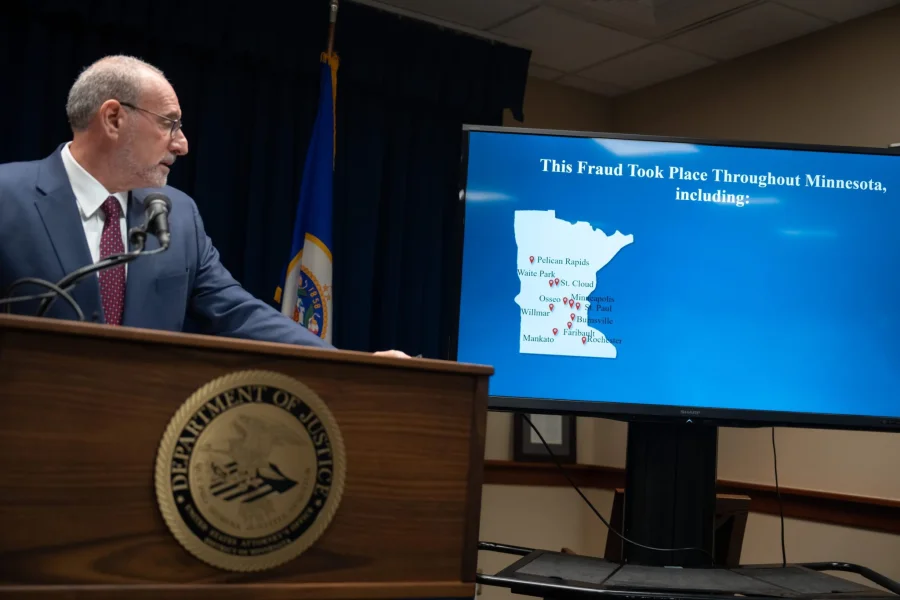
The turning point, for many, was the "Feeding Our Future" case in Minnesota. Federal investigators uncovered what they described as one of the largest pandemic fraud schemes in the country. Several nonprofits and individuals were accused of stealing about $250 million from a federally funded child nutrition program. The scheme was brazen: faking meal counts, submitting false reimbursement claims, and then using the money to buy luxury homes and cars. The defendants were found guilty in 2025, three years after the investigation began.
Then, in April 2026, the Department of Justice under the Trump administration indicted the Southern Poverty Law Center (SPLC), a well-known civil rights nonprofit, on fraud charges. This case, in particular, sent shockwaves through the sector. The SPLC is not a small, obscure organization; it is a heavyweight in legal advocacy. If the DOJ was willing to go after them, the message was clear: no one is immune.
Who Is Affected and What Officials Are Saying
The impact is being felt across the board. Nonprofit boards are suddenly much more anxious about compliance. Accountants are fielding more calls from clients worried about their internal controls. And the public is left with a nagging question: is my donation safe?
Officials at the Department of Justice have framed these actions as a necessary step to protect taxpayer dollars and ensure the integrity of charitable programs. The message from Washington is one of zero tolerance. For the nonprofit sector, this new reality means that the old days of relatively light-touch oversight are over.
What We Know So Far — and What Remains Unclear
What we know: The DOJ has secured major convictions in high-profile cases, most notably the Feeding Our Future scheme. The SPLC has been formally indicted, and the case will proceed through the courts. Federal investigators have signaled that more cases are in the pipeline, particularly involving nonprofits that served children during the pandemic.
What remains unclear: Whether this represents a temporary political priority or a permanent shift in enforcement strategy. It's also unclear if the overall *rate* of fraud has actually changed. Without comprehensive, real-time data on all nonprofit financial activity, it's impossible to say if more fraud is happening or if more fraud is simply being caught. The SPLC case is also legally complex and will likely be contested for years, leaving its ultimate outcome uncertain.
Risks, Concerns, and the Balanced View
The increased scrutiny is not without its critics. Some argue that the DOJ's focus on high-profile cases creates a misleading narrative that the entire sector is corrupt. This "guilt by association" can unfairly damage the reputations of thousands of honest, hardworking nonprofits.
Others worry about the potential for overreach. The SPLC indictment, for example, has been criticized by some legal scholars who argue the charges are politically motivated or stretch the definition of fraud. There is a fine line between aggressive enforcement and a witch hunt, and the current climate makes that line harder to see.
The Balanced View: The increased enforcement is, on balance, a positive development for accountability. It sends a strong signal that fraud will not be tolerated. However, it must be paired with fairness and due process. The goal should be to punish the bad actors without destroying public trust in the thousands of good ones.
Why Similar Trends or Concerns Are Growing
This isn't happening in a vacuum. The pandemic created an unprecedented flow of government money to nonprofits, much of it with minimal initial oversight. The sheer volume of funds, combined with the chaos of the emergency response, created a perfect environment for fraud. Now, the government is in the cleanup phase.
Furthermore, the political climate has shifted. Both parties have an interest in showing they are tough on waste, fraud, and abuse. Nonprofits, which often operate in a gray area of public funding and private donations, are a natural target for this kind of scrutiny.
- The pandemic-era funding created a massive, one-time opportunity for fraud that is now being investigated.
- Political pressure from both sides of the aisle is driving a more aggressive enforcement posture.
- Advanced data analytics are making it easier for investigators to spot suspicious patterns in grant and reimbursement claims.
"Federal scrutiny of nonprofit fraud is intensifying, from the $250 million Feeding Our Future case in Minnesota to the Justice Department's indictment of the Southern Poverty Law Center." — The Chronicle of Philanthropy
What Nonprofit Leaders and Donors Should Know Now
For nonprofit leaders, the message is clear: now is the time to double down on compliance. This means:
- Reviewing internal controls: Ensure that financial oversight is robust and that there are clear checks and balances.
- Documenting everything: In an era of heightened scrutiny, a paper trail is your best defense.
- Seeking expert advice: Don't wait for a problem to arise. Proactive legal and accounting counsel is an investment, not an expense.
For donors, the advice is equally practical. Don't stop giving. Instead, give smarter. Research organizations, look for transparency in their financial reporting, and don't be afraid to ask questions about how money is spent. The vast majority of nonprofits are doing good work with integrity.
What Could Happen Next
The coming months and years will likely see more indictments and more headlines. The DOJ has signaled that the Feeding Our Future case is just the beginning. We can expect to see a greater emphasis on data-driven audits and more collaboration between federal and state investigators.
Legislatively, there could be calls for new laws that impose stricter reporting requirements on nonprofits. The sector may also see a push for self-regulation, as organizations try to preempt government action by demonstrating their own commitment to accountability.
Our Take: Why This Story Matters Beyond One Incident
The story of nonprofit fraud isn't really about fraud at all. It's about a fundamental shift in the relationship between the government and the charitable sector. For decades, nonprofits enjoyed a high degree of public trust and relatively light regulatory oversight. That era is ending.
This is not necessarily a bad thing. A system that catches fraud is better than one that ignores it. But the transition will be painful. The challenge for the sector is to embrace this new accountability without losing the public's faith. The challenge for the public is to distinguish between a system that is being cleaned up and a system that is fundamentally broken. The truth, as always, is somewhere in between.
FAQs
Is nonprofit fraud actually increasing, or does it just seem that way?
Experts believe the rate of fraud has not dramatically increased. What has increased is the government's capacity and willingness to investigate and prosecute it, particularly after the massive influx of pandemic-era funding created new opportunities for abuse.
What was the Feeding Our Future case in Minnesota?
It was one of the largest pandemic fraud schemes prosecuted in the U.S. Several nonprofits and individuals were convicted in 2025 for stealing approximately $250 million from a federally funded child nutrition program by faking meal counts and submitting false claims.
Why was the Southern Poverty Law Center (SPLC) indicted?
In April 2026, the Department of Justice indicted the SPLC on fraud charges. The specific details of the indictment are complex, but the case is significant because it targets a major, well-known civil rights organization, signaling that no nonprofit is too big to face scrutiny.
What should a small nonprofit do to protect itself from fraud allegations?
The most important step is to strengthen internal financial controls. This includes segregating duties so no single person controls all aspects of a transaction, maintaining meticulous records, conducting regular independent audits, and ensuring the board of directors is actively engaged in financial oversight.