For years, Surendra Koli was the face of one of India's most disturbing criminal cases. On Tuesday, he was found dead at a tea stall in Haridwar — a quiet, ordinary end to a life that had been defined by extraordinary allegations.
Police said Koli was found with a noose around his neck. The cause of death, they added, will be established only after the post-mortem.
What Police Have Confirmed — and What They Haven't
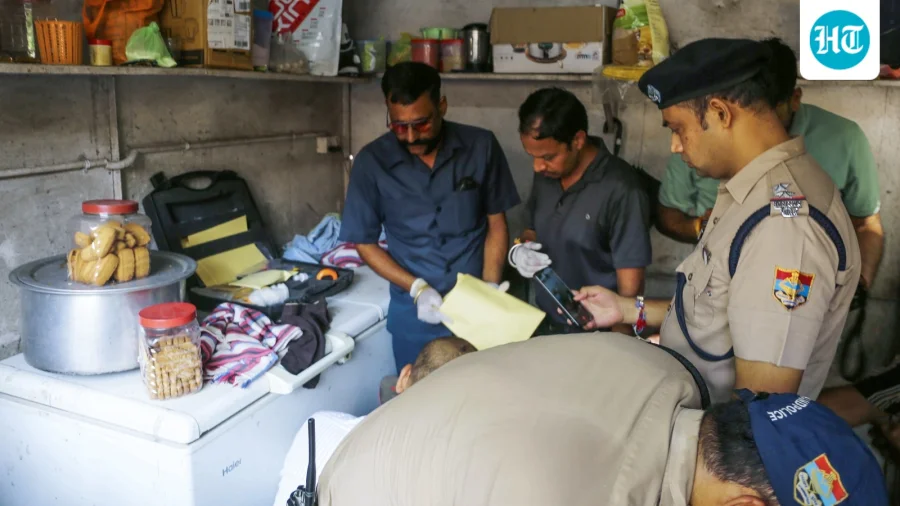
According to police, Koli was discovered at his tea stall in Haridwar. A noose was found around his neck. Beyond that, officials have not drawn conclusions.
"The cause of death will be established after the post-mortem," police said, leaving the circumstances formally unclassified for now. No suicide note has been reported. No motive has been stated.
From Prime Accused to Acquitted in All 13 Cases
Koli was the central figure in the Nithari killings — a case that shook the country in 2006 when skeletal remains of children were recovered from a drain behind a house in Noida's Sector 31.
He was the domestic help at the house of businessman Moninder Singh Pandher. Over the years, Koli was tried in multiple cases. In 2023, the Allahabad High Court acquitted him in all 13 cases, citing a lack of credible evidence and serious lapses in the investigation.
The acquittal was a turning point. After spending years in jail, Koli walked free. He later settled in Haridwar and ran a tea stall — a life far removed from the courtroom drama that had once consumed national attention.
Why This Death Matters Beyond the Headlines
The Nithari case never fully closed for the families of the victims. The acquittals left many questions unanswered — about the investigation, the evidence, and the years of legal proceedings.
Koli's death now adds another layer of uncertainty. For the families, it may mean the end of any remaining legal avenue for accountability. For the public, it raises fresh questions about a case that was once described as one of India's worst serial crimes.
The Legal Journey: A Timeline
The case began in December 2006 with the recovery of remains from a drain in Noida. Koli and Pandher were arrested. Trials followed over more than a decade.
In October 2023, the Allahabad High Court acquitted Koli in all 13 cases, and Pandher in the two cases against him. The court cited procedural lapses and a lack of reliable evidence. The state later challenged the acquittals, but Koli had already been released.
Who Is Affected — and How
The immediate impact is on the families of the victims, who have lived with the case for nearly two decades. Many had hoped for closure through the courts. That hope has now been further complicated.
For Koli's own family, the death is a personal loss, separate from the legal history. For the residents of Haridwar, where he had been living quietly, the news has brought sudden attention to a man many may not have known by his past.
Official Response and Investigation Status
Police have not confirmed suicide, accident, or foul play. The post-mortem is expected to clarify the cause of death. Investigators are likely to record statements from those who last saw Koli and examine the circumstances at the tea stall.
Until the post-mortem report is available, any conclusion about how Koli died remains speculation.
What Is Confirmed vs What Remains Unclear
Confirmed: Koli was found dead in Haridwar. A noose was around his neck. Police have ordered a post-mortem. Koli had been acquitted in all 13 Nithari cases.
Unclear: The cause of death. Whether anyone else was involved. Whether Koli left any note. The exact time of death. The status of the state's appeals against his acquittal.
The Nithari Case: A Brief Background
The Nithari killings refer to the discovery of skeletal remains of multiple children and women from a drain behind a house in Noida in 2006. The case led to a massive public outcry and a prolonged legal battle.
Koli was the prime accused. Pandher was co-accused in some cases. Both were acquitted by the Allahabad High Court in 2023. The case remains one of the most debated criminal investigations in recent Indian history.
Risks and Balanced View
It is important to avoid premature conclusions. A noose around the neck does not automatically confirm suicide. Police have rightly said the cause of death will be determined by the post-mortem.
At the same time, the acquittals in the Nithari case were controversial. Some legal experts questioned the investigation's credibility, while others argued the acquittals were based on the evidence on record. Both perspectives exist, and neither should be dismissed without examination.
Wider Pattern: Life After Acquittal
Koli's death highlights a rarely discussed reality: what happens to those acquitted after years in high-profile cases. Many face social stigma, financial hardship, and an inability to return to normal life — even when the law has cleared them.
In Koli's case, he chose to run a tea stall in Haridwar. It was a quiet existence. That quiet has now been broken by his death.
Practical Reader Guidance
For readers following this story, it is important to rely on official police statements and the post-mortem report. Avoid sharing unverified claims about the cause of death.
For those affected by similar legal battles, the case underscores the importance of legal aid and rehabilitation support after acquittal — an area that remains under-addressed in India.
Future Outlook
The immediate next step is the post-mortem report. Based on its findings, police may either close the case or register a fresh investigation. The state's appeals against Koli's acquittal may also be affected by his death.
For the families of the Nithari victims, the legal road may now be effectively over. For the public, the case remains a reminder of how long justice can take — and how uncertain its outcomes can be.
Our Take
Surendra Koli's death is not just the end of a man's life. It is the latest turn in a case that has never fully resolved itself — legally, emotionally, or socially. The Nithari killings raised hard questions about investigation, evidence, and the limits of the justice system. Those questions remain unanswered.
What is clear is that a man who once occupied the center of national attention died quietly, far from the courtroom. The post-mortem will tell us how. It will not tell us why the case still feels unfinished.
Frequently Asked Questions
Who was Surendra Koli?
Surendra Koli was the prime accused in the Nithari serial killings case. He was acquitted in all 13 cases by the Allahabad High Court in 2023.
How did Surendra Koli die?
He was found dead in Haridwar with a noose around his neck. Police have said the cause of death will be confirmed only after the post-mortem.
Where was Surendra Koli found?
He was found at his tea stall in Haridwar, where he had been living after his release.
Was Surendra Koli acquitted in all Nithari cases?
Yes. The Allahabad High Court acquitted him in all 13 cases related to the Nithari killings in 2023.
What happens next in the Nithari case?
The post-mortem report will clarify Koli's cause of death. The state's appeals against his acquittal may also be affected by his death.