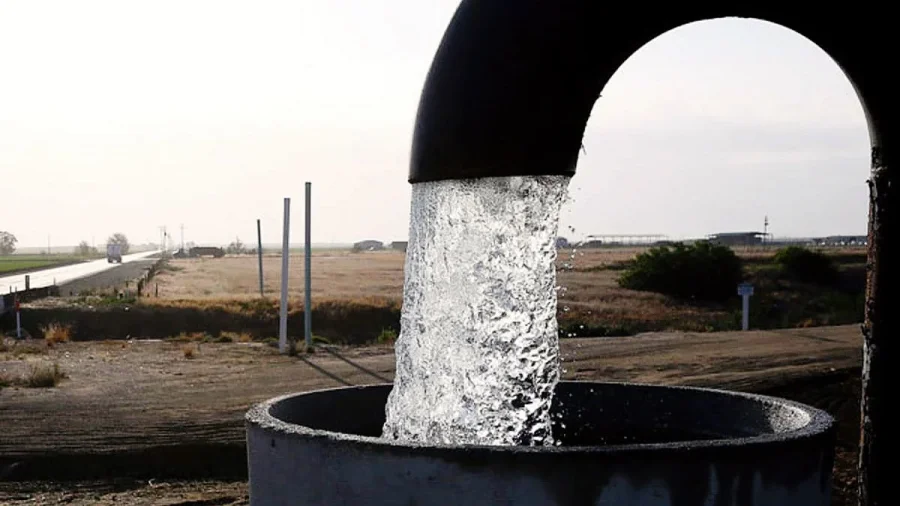
For residents of Noida and Greater Noida, the sight of borewells drilling deep into the earth outside new apartment complexes has become routine. But the National Green Tribunal (NGT) has now stepped in, questioning whether this extraction is legal — and ordering the state to act.
NGT directs field verification of illegal borewells
The National Green Tribunal has directed the Uttar Pradesh Ground Water Department to examine allegations of illegal groundwater extraction in Noida and Greater Noida. The order, issued by a bench chaired by NGT chairperson Justice Prakash Shrivastava, asks the department to conduct a field verification and initiate action if unauthorised borewells or tube wells are found to be operating.
Why this matters for India’s water crisis
India is the world’s largest user of groundwater, accounting for roughly a quarter of global extraction. Groundwater meets about 85 per cent of rural drinking water needs, nearly half of urban water demand and more than 60 per cent of irrigation requirements. Unchecked extraction in rapidly urbanising areas like Noida and Greater Noida threatens to worsen an already critical situation.
The complaint that triggered the order
The NGT order came on a plea filed by environmentalist Vikrant Tongad, which named projects linked to Microsoft and other builders in multiple sectors. The tribunal noted that the alleged violators were not impleaded as parties and asked the applicant to file a detailed complaint with the ground water department. The authority has been directed to complete the investigation and take remedial and punitive action where violations are found.
Who is affected by this order
Residents of Noida and Greater Noida are directly impacted. Illegal extraction by builders can lower the water table, dry up community wells, and increase water costs for households. For real estate developers, the order signals stricter regulatory oversight, with potential penalties or shutdown orders for those found violating norms.
What the UP Ground Water Department must do now
The UP Ground Water Department has been directed to examine the complaint, conduct field verification, and take action if unauthorised borewells or tube wells are found. The department must report back to the NGT on its findings and actions taken. This includes both remedial measures and punitive action against violators.
What this means for real estate in Noida
Noida and Greater Noida have seen rapid real estate growth, with numerous high-rise projects. Many builders rely on groundwater for construction and daily operations. This NGT order could force developers to seek alternative water sources or face legal consequences. It also raises questions about the adequacy of existing water supply infrastructure in the region.
Confirmed Facts vs What Remains Unclear
Confirmed: The NGT has directed the UP Ground Water Department to investigate illegal groundwater extraction complaints in Noida and Greater Noida. The order targets unauthorised borewells and tube wells. The complaint was filed by environmentalist Vikrant Tongad.
Unclear: The exact number of violators, the specific projects involved, and the timeline for the investigation remain unclear. It is also not yet known what penalties will be imposed on builders found violating norms.
Risks and Balanced View
While the NGT order is a step toward environmental accountability, critics point out that enforcement remains a challenge. The UP Ground Water Department has limited resources and a history of slow compliance. Builders may also challenge the order in court, delaying action. On the other hand, supporters argue that this order sets a precedent for stricter groundwater regulation in urban areas.
Wider trend: India’s groundwater crisis deepens
This NGT order is part of a broader pattern of judicial intervention in India’s water crisis. The Supreme Court and various high courts have repeatedly flagged the issue of groundwater depletion. The NGT itself has passed several orders on illegal extraction in other states. The problem is particularly acute in the National Capital Region, where rapid urbanisation has outpaced water infrastructure development.
Practical guidance for residents and builders
Residents can report suspected illegal borewells to the UP Ground Water Department or the NGT. Builders should ensure they have valid permits for groundwater extraction and explore alternative sources like treated wastewater. Homebuyers should check if their developer has the necessary environmental clearances before purchasing property.
Future outlook
The UP Ground Water Department is expected to complete its investigation in the coming weeks. If violations are confirmed, the NGT may impose fines, order closure of illegal borewells, or direct builders to restore the water table. The outcome could influence groundwater regulation across the National Capital Region.
Our Take
This NGT order is a necessary intervention in a crisis that has been building for decades. India’s groundwater is a finite resource, and unchecked extraction by builders in Noida and Greater Noida threatens both the environment and the water security of millions. The real test will be enforcement — whether the UP Ground Water Department has the will and resources to act. For now, the order sends a clear signal: the days of unregulated groundwater use may be numbered.
Frequently Asked Questions
What did the NGT order on groundwater extraction in Noida?
The NGT directed the UP Ground Water Department to investigate complaints of illegal groundwater extraction in Noida and Greater Noida, conduct field verification, and take action against unauthorised borewells or tube wells.
Who filed the complaint about illegal groundwater extraction in Noida?
The complaint was filed by environmentalist Vikrant Tongad, who named projects linked to Microsoft and other builders in multiple sectors.
What happens if builders are found violating groundwater norms?
Builders found violating norms may face penalties, orders to close illegal borewells, or directives to restore the water table. The NGT has asked for both remedial and punitive action.
Why is groundwater extraction a concern in Noida and Greater Noida?
India is the world’s largest user of groundwater, and unchecked extraction in rapidly urbanising areas like Noida and Greater Noida can lower the water table, dry up community wells, and increase water costs for residents.