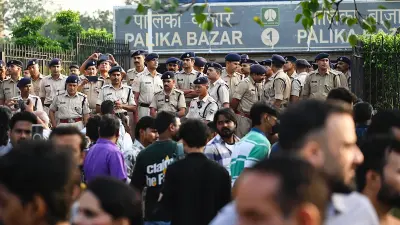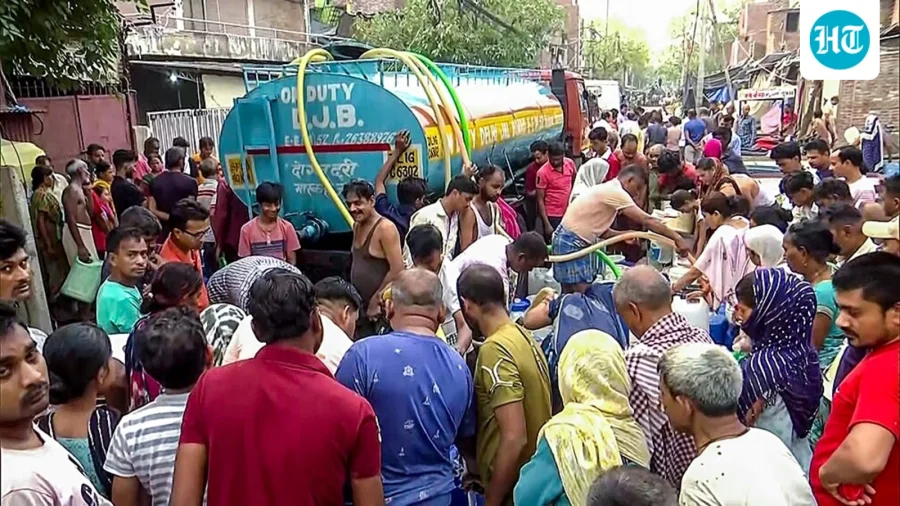
Millions of residents across New Delhi are waking up to empty taps and parched throats as the city’s water crisis reaches a critical point. Despite an emergency infusion of additional water from neighboring Haryana, officials report that the capital is still facing a staggering daily shortfall of 90 to 100 million gallons. For a city of over 20 million people, this isn’t just a statistic—it’s a daily struggle for survival, a battle fought with buckets and tankers, and a crisis that shows no signs of easing.
Why This Matters Right Now
This isn’t a distant problem or a future worry. The water shortage is happening right now, in real-time, affecting every household, every hospital, and every business in Delhi. When the city’s water supply falls short by nearly 100 million gallons a day, it means longer queues at water tankers, reduced water pressure in taps, and difficult choices for families about how to ration their most basic need. The crisis also has a ripple effect: it can disrupt schools, shut down small businesses, and put immense pressure on healthcare facilities. For a city already grappling with extreme summer heat, the lack of water is a matter of health, dignity, and survival.
How the Water Crisis Unfolded
Delhi has long been dependent on its neighbors for its water supply. According to official data, around 61.1% of the city’s raw water comes from Haryana, and another 25.25% from Uttar Pradesh. This reliance makes Delhi extremely vulnerable to any disruption in supply. The current crisis escalated despite Haryana releasing an additional 55 cusecs of water through the Munak canal system. However, officials have confirmed that this emergency measure has not been enough to bridge the gap. The deficiency remains at a critical 90-100 million gallons per day (mgd), leaving large parts of the city, especially in the southern and western areas, struggling for water.
Who Is Affected and What Officials Are Saying
The impact is being felt most acutely in low-income neighborhoods and unauthorized colonies, where piped water supply is already limited. Residents in areas like Dwarka, Najafgarh, and parts of South Delhi have reported that water tankers are arriving late or not at all. Officials from the Delhi Jal Board (DJB) have acknowledged the severity of the situation, stating that they are working to optimize the distribution of available water. However, they have also cautioned that the shortfall is so large that it cannot be fully compensated for in the short term. The political blame game has also begun, with the Delhi government and the central government trading accusations over water sharing and infrastructure management.
What We Know So Far — and What Remains Unclear
What we know: The daily water shortfall in Delhi is between 90 and 100 million gallons. Haryana has sent an additional 55 cusecs of water, but it has not resolved the crisis. The city is heavily dependent on external sources for its water supply.
What remains unclear: The exact duration of the crisis. Whether additional water can be sourced from other states or through alternative measures like treated wastewater. The long-term plan to reduce Delhi’s dependence on its neighbors. The full extent of the impact on public health and daily life.
Risks, Concerns, and the Balanced View
The immediate risk is a public health emergency. Without adequate water, the risk of waterborne diseases like cholera and typhoid increases. Hospitals may struggle to maintain hygiene standards. The crisis also has a political dimension, with tensions between Delhi and Haryana potentially escalating. On the other hand, it’s important to note that the situation is not uniform across the city. Some areas with better infrastructure and storage capacity are less affected. The additional water from Haryana, while insufficient, does show a willingness to cooperate. The real challenge lies in the long-term: Delhi’s water demand is growing, but its supply sources are not. A balanced view acknowledges both the immediate human suffering and the complex political and infrastructural challenges that need to be addressed.
Why Similar Water Crises Are Becoming More Common
Delhi’s water crisis is not an isolated event. Across India, rapid urbanization, depleting groundwater levels, and erratic monsoon patterns are creating similar situations in cities like Bengaluru, Chennai, and Hyderabad. The reliance on a few major rivers and interstate agreements makes many cities vulnerable. Climate change is exacerbating the problem, leading to more frequent and intense droughts. The Delhi crisis is a stark reminder that water security is becoming one of the most pressing challenges for urban India.
- Delhi’s water demand is estimated to be around 1,200 million gallons per day (MGD), but the supply is often less than 1,000 MGD.
- The city’s groundwater levels have been declining by 1-2 meters per year in many areas.
- Leakage and theft in the water distribution system account for significant losses, estimated at 30-40% of total supply.
"Despite Haryana sending additional 55 cusecs through the Munak canal system, officials pegged the deficiency at about 90-100 million gallons a day." — Hindustan Times Delhi
What Residents Should Know Now
For residents of Delhi, the immediate advice is to conserve water and store as much as possible when supply is available. Check the Delhi Jal Board’s official website or app for updated water tanker schedules. Report any leaks or water theft to the authorities. For those in severely affected areas, consider investing in water storage tanks or filters. It is also important to stay informed about any official announcements regarding water rationing or emergency supply measures. Community cooperation, like sharing water with neighbors, can make a significant difference during this crisis.
What Could Happen Next
In the short term, the crisis is likely to continue until the monsoon arrives, which is expected in late June or early July. The Delhi government may impose stricter water rationing measures. There could be increased political pressure on Haryana and Uttar Pradesh to release more water. In the long term, this crisis may accelerate plans for alternative water sources, such as the recycling of wastewater, rainwater harvesting, and the revival of old water bodies. However, these are long-term solutions that will not help the millions of Delhiites who are struggling for water today.
Our Take: Why This Story Matters Beyond One City
Delhi’s water crisis is a warning sign for the entire nation. It shows what happens when urban planning fails to keep pace with population growth, and when political disputes override basic human needs. The story is not just about a shortfall of 90 million gallons; it is about the fragility of our water systems and the urgent need for sustainable, long-term solutions. It is a story about the millions of people who are forced to spend hours every day just to get a few buckets of water. Until we treat water as a national security issue, cities like Delhi will continue to face this crisis, year after year.
FAQs
Why is Delhi facing a water shortage of 90 million gallons a day?
Delhi is heavily dependent on water from neighboring states like Haryana and Uttar Pradesh. A combination of high demand, reduced supply from these sources, and infrastructure issues has led to a daily shortfall of 90-100 million gallons.
Has Haryana sent additional water to help Delhi?
Yes, Haryana released an additional 55 cusecs of water through the Munak canal system. However, this has not been enough to fully bridge the gap, and the crisis continues.
Which areas of Delhi are most affected by the water crisis?
Low-income neighborhoods, unauthorized colonies, and areas in South and West Delhi, such as Dwarka and Najafgarh, are among the most affected. These areas often have limited piped water supply and rely heavily on tankers.
What can Delhi residents do to cope with the water shortage?
Residents should conserve water, store it when available, and check the Delhi Jal Board’s official app for tanker schedules. Reporting leaks and practicing community sharing can also help manage the crisis.