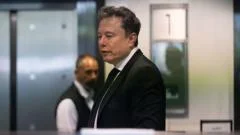
In a dramatic courtroom showdown that captivated the tech world, Elon Musk lost his high-stakes legal battle against OpenAI and its CEO Sam Altman. A federal jury in Oakland, California, delivered a swift verdict, ruling that Musk had waited too long to file his lawsuit — a decision that could reshape the narrative around one of the most contentious relationships in artificial intelligence.
The Verdict That Shook Silicon Valley
The jury took less than two hours to reach a unanimous decision. Their finding was clear: Musk's claims, which alleged that Altman and OpenAI had violated a promise to keep the company a nonprofit, were filed outside the statute of limitations. In legal terms, Musk's window to sue had closed before he even walked into the courtroom.
For Musk, the outcome was a bitter pill. In a post on X, the platform he owns, he called the decision a "calendar technicality" and immediately vowed to appeal. "This isn't about the merits of the case," he wrote. "It's about a clock that ran out."
Why This Matters Right Now
This case was never just about one lawsuit. It was about the soul of OpenAI — a company that started as a nonprofit research lab with a mission to benefit humanity, and later transformed into a for-profit juggernaut valued in the hundreds of billions. Musk, a co-founder of OpenAI who left the board in 2018, argued that Altman had "stolen a charity" by abandoning the original nonprofit mission.
The verdict raises uncomfortable questions: Can founders be held accountable for changing corporate direction? And what does this mean for the future of AI governance, where promises made in the early days may be impossible to enforce years later?
How the Legal Battle Unfolded
Musk filed his lawsuit in 2024, alleging that Altman and OpenAI had breached their founding agreement. The core of his argument was that OpenAI's shift to a for-profit model — and its massive valuation — violated the nonprofit promise that had attracted early investors and talent.
But the defense had a simple, powerful response: Musk knew about these changes years ago. He had been on the board. He had watched the transformation happen. And yet, he waited until 2024 to sue. Under California law, the statute of limitations for such claims had already expired.
The jury agreed. In under two hours, they decided that the timing — not the substance — was the fatal flaw in Musk's case.
Who Is Affected and What Officials Are Saying
The verdict sends a clear signal to the tech industry: if you have a grievance, act fast. For OpenAI, the ruling removes a major legal cloud that had hung over the company for years. For Musk, it's a public relations blow — but not necessarily the end of the fight.
Judge Yvonne Gonzalez Rogers, who presided over the trial, noted that Musk could potentially appeal the decision. Legal experts say appeals in statute-of-limitations cases are difficult but not impossible, especially if Musk can argue that the clock should have started later than the jury believed.
Altman, for his part, has not publicly commented on the verdict, but sources close to OpenAI say the company is relieved and ready to move forward.
What We Know So Far — and What Remains Unclear
What we know:
- The jury found that Musk's claims were filed outside the statute of limitations.
- The verdict was reached in under two hours of deliberation.
- Musk has vowed to appeal, calling the decision a "technicality."
- The lawsuit was filed in 2024, years after OpenAI's for-profit shift.
What remains unclear:
- Whether an appeal will succeed, and on what grounds.
- Whether Musk will pursue other legal avenues, such as a new lawsuit based on different claims.
- How this verdict will affect public perception of OpenAI's governance.
Risks, Concerns, and the Balanced View
While Musk's supporters see the verdict as a procedural defeat that sidesteps the real issues, critics argue that the statute of limitations exists for a reason — to prevent stale claims and ensure that disputes are resolved while evidence is fresh.
From a legal perspective, the case was always a long shot. Statute-of-limitations defenses are often successful when the plaintiff had clear knowledge of the alleged wrongdoing years before filing. Musk's own history as a board member and investor made it difficult to argue that he was unaware of OpenAI's direction.
Still, the case has sparked a broader debate about accountability in the AI industry. If founders can change a company's mission without legal consequence, what safeguards exist for the public interest?
Why Similar Legal Challenges Are Growing in the AI Industry
The Musk-OpenAI case is part of a larger trend. As AI companies grow from idealistic startups into corporate giants, disputes over mission, governance, and profit are becoming more common. Shareholders, co-founders, and even employees are increasingly turning to the courts to resolve disagreements that were once handled behind closed doors.
This case may also set a precedent for future lawsuits. If the statute of limitations is strictly enforced, it could discourage late-filed claims — but it could also encourage faster, more aggressive litigation.
"Elon Musk waited too long to sue. That's the law. But the questions he raised about OpenAI's mission won't go away." — Legal analyst, speaking on condition of anonymity
What Investors and Tech Watchers Should Know Now
For investors in OpenAI and its competitors, the verdict removes a significant legal overhang. The company can now focus on its business without the distraction of a high-profile trial. However, Musk's appeal means the story is not over.
For tech watchers, the case is a reminder that timing matters in legal disputes. If you believe a company has broken a promise, don't wait years to act.
What Could Happen Next
Musk's appeal will likely focus on when the statute of limitations clock started. His legal team may argue that he didn't have full knowledge of OpenAI's for-profit plans until a specific date — perhaps when the company's valuation skyrocketed or when new governance documents were revealed.
If the appeal fails, Musk could still pursue other legal theories, such as breach of fiduciary duty or fraud. But each new claim would face its own statute-of-limitations challenges.
For now, the immediate impact is clear: OpenAI wins this round, but the battle over its mission — and Musk's role in it — is far from over.
Our Take: Why This Story Matters Beyond One Incident
This case is a microcosm of a larger tension in the tech world: the conflict between idealism and capitalism. OpenAI was founded as a nonprofit to ensure that AI would benefit all of humanity. Today, it is a for-profit company valued at hundreds of billions of dollars. Whether that transformation was a betrayal or a necessary evolution depends on who you ask.
The jury's decision doesn't answer that question. It only says that Musk waited too long to ask it in court. But the question itself — can a company's mission be legally enforced? — will continue to echo through boardrooms and courtrooms for years to come.
FAQs
Why did Elon Musk lose the OpenAI court battle?
A federal jury found that Musk waited too long to file his lawsuit against OpenAI and Sam Altman. The statute of limitations had expired on his claims, meaning the court could not consider the substance of his allegations.
What was Elon Musk's lawsuit against OpenAI about?
Musk alleged that OpenAI and its CEO Sam Altman violated a promise to keep the company a nonprofit. He argued that the company's shift to a for-profit model was a breach of its founding mission.
Can Elon Musk appeal the verdict?
Yes. Musk has already vowed to appeal, calling the decision a "calendar technicality." Appeals in statute-of-limitations cases are possible but face high legal hurdles.
What does this verdict mean for OpenAI's future?
The verdict removes a major legal uncertainty for OpenAI, allowing the company to focus on its business and growth. However, the broader debate about AI governance and accountability continues.