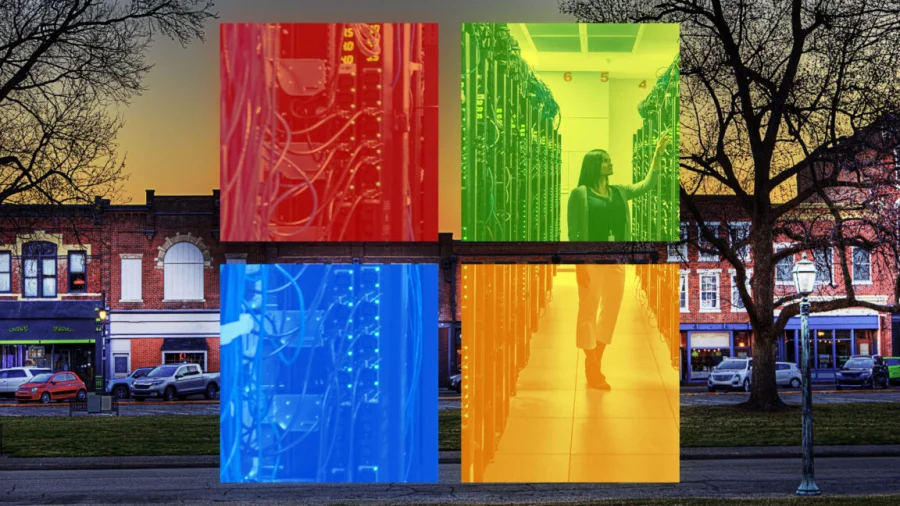
When Microsoft builds a data center, it promises to be a "good neighbor." It pledges property taxes that fund schools and hospitals. It sends liaisons to listen. But when church groups asked a simple question — will you commit 1% of data center costs to the communities hosting you? — the answer never came.
A Question Microsoft Won't Answer
Church groups have formally requested that Microsoft dedicate 1% of its data center costs to local community investment. According to reporting by Ars Technica, the company has not responded publicly to this specific demand. At community meetings, Microsoft representatives have appeared unprepared to address questions that go beyond the company's "good neighbor" campaign materials.
Why the Silence Matters for Host Communities
Data centers consume enormous amounts of electricity and water. They require significant land and infrastructure. Communities that host them often bear these costs while receiving limited direct benefit beyond property tax revenue. The 1% request is an attempt to quantify what "good neighbor" actually means in dollars.
What Microsoft Has Promised — and What It Hasn't
Microsoft has publicly committed to paying local property taxes and investing in "vital services the community cares about." It has acknowledged in public-facing documents that simply matching employee charitable donations is insufficient. But the company has not attached specific dollar figures or percentages to these commitments.
The Gap Between Campaign Materials and Community Needs
Microsoft's "good neighbor" campaign presents a polished vision of partnership. But when residents and church groups ask for concrete commitments, the response has been vague. This gap between marketing and measurable investment is at the heart of the current standoff.
Who Is Affected
Communities across the United States that host or are slated to host Microsoft data centers are directly affected. Local taxpayers, school districts, and municipal services all have a stake in whether these facilities deliver promised benefits. Church groups, often rooted in these communities, are pressing for accountability.
Microsoft's Position — and Its Limits
Microsoft has not issued a public statement on the 1% request. The company's liaisons have reportedly been unable to answer detailed questions at community meetings. This suggests either a lack of internal preparation or an unwillingness to negotiate specific terms in public forums.
Confirmed Facts vs. What Remains Unclear
Confirmed: Church groups have asked Microsoft for a 1% commitment. Microsoft has not publicly responded. Representatives have struggled with detailed questions at community meetings.
Unclear: Whether Microsoft will formally reject, accept, or negotiate the 1% proposal. Whether internal discussions are underway. What specific dollar amounts would be involved.
Risks and Balanced View
Microsoft may argue that property taxes and existing investments already provide substantial community benefit. The company could contend that a fixed 1% commitment is inflexible and doesn't account for varying local needs. However, without transparent accounting, communities cannot verify whether current contributions match the "good neighbor" rhetoric.
A Wider Pattern in Big Tech
Microsoft is not alone. Amazon, Google, and Meta have all faced similar questions about data center community impact. The tension between corporate promises and measurable local benefit is becoming a defining issue as AI-driven data center construction accelerates across the country.
What Communities Can Do Now
Local groups can request detailed accounting of Microsoft's community investments. They can push for binding agreements before construction begins. They can also coordinate with other host communities to share information and negotiate collectively.
What Happens Next
Microsoft's silence may be temporary. The company could respond with a counterproposal or continue its current approach. Church groups have signaled they will keep pressing. The outcome will set a precedent for how tech companies engage with host communities.
Our Take
The 1% request is modest. Microsoft's refusal to answer it — even to reject it — suggests the company prefers ambiguity over accountability. For communities bearing the costs of data center expansion, that silence speaks louder than any campaign slogan.
Frequently Asked Questions
What are church groups asking Microsoft to do?
They are asking Microsoft to commit 1% of its data center costs to local community investment in areas hosting its facilities.
Has Microsoft responded to the 1% request?
No. Microsoft has not issued a public statement addressing the specific 1% demand from church groups.
Why does this matter to local communities?
Data centers use significant local resources. Communities want to ensure they receive tangible benefits beyond property taxes and vague promises.
What happens if Microsoft doesn't respond?
Church groups may escalate their campaign. Communities could push for binding agreements or coordinate with other affected areas to increase pressure.