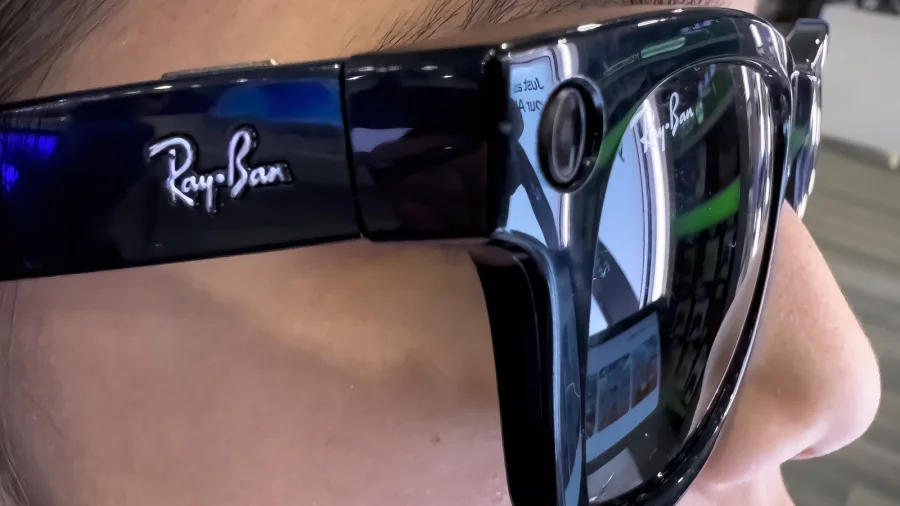
Meta has quietly removed face-recognition code from its Meta AI app for Ray-Ban smart glasses, just days after WIRED revealed the feature was secretly embedded in the software. The move comes amid growing privacy backlash and questions about how the company planned to use the technology without user consent.
What Meta removed from the app
The newly released version of Meta AI removes nearly all traces of the face-recognition feature that Meta had previously said “did not yet exist.” Gone is the face-recognition software itself, along with the code that ran the NameTag recognition process and the “Person recognized” alert the app would have shown if someone were identified, according to WIRED’s analysis.
Why this matters for your privacy
If the feature had been activated, anyone wearing Meta’s Ray-Ban smart glasses could potentially identify strangers in real-time — without their knowledge or consent. Privacy experts warn this could enable widespread surveillance in public spaces, from streets to cafes to public transport. “This is the kind of technology that could fundamentally change how we experience public life,” said one privacy researcher. “You could be walking down the street and someone’s glasses could tell them who you are.”
How the situation unfolded
WIRED first reported on October 1 that Meta had quietly embedded face-recognition code in its Meta AI app, which is downloaded on millions of phones. The feature, called NameTag, was designed to recognize people in real-time through the smart glasses camera. Meta initially denied the feature existed, calling it a “test” that was never activated. But after the report, the company moved quickly to remove the code entirely.
Who is affected by this change
Millions of users who have downloaded the Meta AI app for their Ray-Ban smart glasses are directly affected. While the feature was never active, its mere presence raised concerns about Meta’s intentions. Privacy-conscious users, civil liberties groups, and regulators are now watching closely. The removal suggests Meta is sensitive to backlash but does not guarantee the feature won’t return in a different form.
What Meta has said about the feature
Meta has not publicly commented on the removal. When WIRED first asked about the face-recognition code, a company spokesperson said the feature “did not yet exist” and was part of an internal test. The company has a troubled history with facial recognition: in 2021, Meta shut down its Facebook facial recognition system and deleted over a billion face templates after a $650 million lawsuit settlement in Illinois.
What the removal really means
The quiet removal is a significant backtrack for Meta. It suggests the company was caught off guard by the WIRED report and is now trying to manage the fallout. But privacy experts say the move is not enough. “Removing the code doesn’t erase the fact that Meta was building this feature without transparency,” said a digital rights advocate. “The question is: what else is in the app that we don’t know about?”
Confirmed facts vs what remains unclear
Confirmed: The latest Meta AI app update removes face-recognition code, including NameTag and “Person recognized” alerts. The feature was never publicly activated. Meta previously denied its existence. Unclear: Whether Meta plans to reintroduce the feature in the future. Whether the company collected any data during internal tests. Whether other similar features remain hidden in the app. These are questions Meta has not answered.
Meta’s smart glasses strategy and why it matters
Meta’s Ray-Ban smart glasses are a key part of its metaverse and AI strategy. The glasses allow users to take photos, record video, and interact with Meta AI. Adding facial recognition would have made them far more powerful — and far more controversial. Meta’s ability to build and deploy such features depends on user trust, which the company has repeatedly damaged through privacy scandals.
Risks and balanced view
Supporters of the feature argue that facial recognition could enable useful applications, like identifying friends in a crowd or helping people with visual impairments. Critics warn that the technology is too easily abused for surveillance, stalking, and discrimination. The key concern is consent: people in public spaces have not agreed to be identified by strangers’ glasses. Even Meta’s own former policy chief has called facial recognition “the most controversial technology in the company’s history.”
Wider trend: facial recognition in wearable tech
Meta is not alone in exploring facial recognition for wearables. Google, Apple, and Snap have all experimented with similar features. But Meta’s history — including the 2021 shutdown of its Facebook facial recognition system — makes this particularly sensitive. The company is under scrutiny from regulators in the EU, UK, and US over its privacy practices. The removal of this code may be a temporary retreat rather than a permanent change of heart.
What you should do if you use Meta smart glasses
If you own Ray-Ban Meta smart glasses, update your Meta AI app to the latest version to ensure the face-recognition code is removed. Review your privacy settings in the app. Be aware that the camera on your glasses can still record video and take photos. Consider covering the camera when not in use. If you are concerned about being recorded by others, privacy advocates recommend being aware of your surroundings and speaking up if you feel uncomfortable.
What happens next
Meta is likely to face continued pressure from privacy advocates and regulators. The company may try to reintroduce facial recognition with more transparency and user controls, but the backlash suggests any such move will be met with resistance. For now, the feature is gone — but the debate about facial recognition in wearable tech is far from over.
Our Take
Meta’s quiet removal of face-recognition code is a victory for privacy advocates, but it should not be mistaken for a change of heart. The company built the feature, tested it, and only removed it after being exposed. The real question is not whether Meta will try again — it almost certainly will — but whether regulators will act before the technology becomes widespread. For now, users and privacy advocates have won a small battle. The war over facial recognition in everyday life is just beginning.
Frequently Asked Questions
Did Meta activate face recognition on smart glasses?
No. The feature was never activated for users. It existed as code in the Meta AI app but was not functional. Meta called it an internal test.
Why did Meta remove the face-recognition code?
Meta removed the code after WIRED revealed its existence, sparking privacy backlash. The company has not publicly explained the removal.
Can my Ray-Ban Meta glasses identify people?
No. The face-recognition feature was never activated and has now been removed from the app. Your glasses cannot identify anyone by name.
Is facial recognition illegal on smart glasses?
Laws vary by country. In the EU, strict GDPR rules limit facial recognition without consent. In the US, some states like Illinois have biometric privacy laws. Meta’s feature would likely face legal challenges.