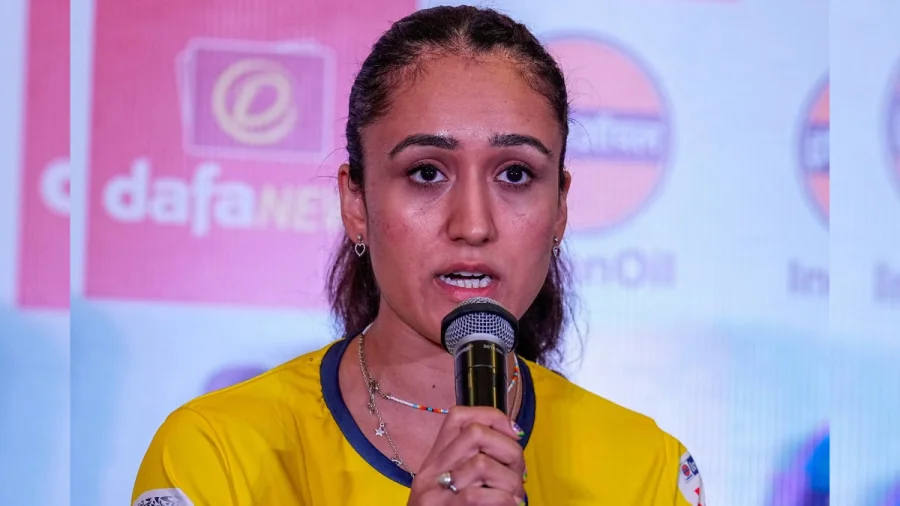
India's most decorated table tennis player, Manika Batra, has taken her battle against the Table Tennis Federation of India (TTFI) to the highest office in the country. On Wednesday, the Commonwealth Games gold medalist publicly sought Prime Minister Narendra Modi's intervention after being omitted from the 2026 Asian Games squad, escalating the dispute with a threat of legal action.
Why Manika Batra Is Taking This to the Prime Minister
Batra, who has been the face of Indian table tennis for nearly a decade, is not just fighting for a spot in the Asian Games team. She is challenging the very process by which selections are made. In her appeal, she asserted that she "deserves transparency, consistency, and accountability in the selection process." The star player has rejected any suggestion that she is seeking preferential treatment, instead framing her demand as a matter of principle for all athletes.
The Core Dispute: National Events vs International Commitments
The controversy stems from TTFI's selection criteria that mandated participation in national-level tournaments. Batra, who has been competing in international events and leagues, missed these national camps and tournaments. The federation argues that the rules apply equally to all players. However, Batra contends that the criteria were applied arbitrarily, especially given her consistent performance on the global stage, including her historic bronze at the Asian Games in 2018 and multiple Commonwealth Games medals.
How the Situation Unfolded
The selection row has been brewing for weeks. Batra was initially left out of the preliminary squad, leading to her first round of appeals to the Sports Ministry. When those appeals did not yield the desired result, she escalated the matter by writing directly to PM Modi and Sports Minister Mansukh Mandaviya. The timeline shows a player who exhausted internal federation channels before taking her case to the government and now threatening legal recourse.
Who Is Affected by This Decision
Beyond Manika Batra herself, this controversy affects the morale of Indian athletes who balance international commitments with domestic requirements. For young table tennis players aspiring to represent India, the message from this case will define how they prioritize tournaments. The decision also impacts the Indian women's table tennis team's prospects at the Asian Games, where Batra has been a medal-winning performer. Fans and sports enthusiasts are watching closely, as the outcome could set a precedent for selection policies across sports.
TTFI's Position and Official Response
The Table Tennis Federation of India has maintained that its selection criteria were clear and applied uniformly. Officials have stated that Batra's absence from national events was the primary reason for her exclusion. However, Batra's camp argues that the federation did not consider her international commitments and past contributions. The Sports Ministry has not yet issued a formal statement on the matter, though Batra has requested their direct intervention to review the selection process.
What This Controversy Really Means
At its core, this dispute highlights a systemic tension in Indian sports: the conflict between domestic obligations and international careers. For athletes like Batra who train and compete abroad, mandatory national camps can be logistically challenging. The case raises fundamental questions about whether selection criteria should be rigid or flexible enough to accommodate elite athletes' schedules. It also tests the accountability mechanisms within Indian sports federations.
Confirmed Facts vs What Remains Unclear
Confirmed: Manika Batra has written to PM Modi and the Sports Minister. She has threatened legal action. TTFI has confirmed her exclusion was due to non-participation in national events. Batra has rejected claims of seeking preferential treatment.
Unclear: Whether the Sports Ministry will intervene directly. The exact timeline of Batra's communications with TTFI before the decision. Whether other players faced similar exclusion for the same reason. The specific legal grounds Batra will use if she proceeds with litigation.
Manika Batra's Legacy and What She Stands to Lose
Manika Batra is not just any athlete. She is a trailblazer who put Indian table tennis on the world map. Her bronze at the 2018 Asian Games was India's first medal in women's singles table tennis in 20 years. She has won multiple Commonwealth Games medals and has been a consistent performer in international events. Missing the Asian Games would be a significant blow to her career momentum and legacy. For Batra, this fight is as much about her future as it is about the principles of fairness in sports selection.
Risks and Balanced View
While Batra's supporters see her as a victim of bureaucratic inflexibility, critics argue that rules must apply equally to all athletes. Some sports administrators have pointed out that if exceptions are made for star players, it undermines the integrity of the selection process. There is also the risk that legal action could further strain her relationship with TTFI, potentially affecting her future participation in national events. The federation, on its part, faces the challenge of maintaining discipline while not alienating its best talent.
Wider Trend: Athletes vs Federations in Indian Sports
This is not an isolated incident. Indian athletes across multiple sports — from wrestlers to boxers to badminton players — have increasingly challenged federation decisions, often taking their cases to courts or the government. The pattern reflects a growing assertiveness among athletes who are no longer willing to accept opaque selection processes. The Manika Batra case could become another landmark in this ongoing struggle for athlete rights and transparent governance in Indian sports.
What Athletes and Fans Should Know
For young athletes, this case underscores the importance of understanding selection criteria well in advance and maintaining clear communication with federations. For fans, it is a reminder that behind every medal is a complex system of rules, politics, and personal sacrifice. Those following the story should watch for the Sports Ministry's response and any legal filings Batra may make. The outcome will likely influence how other athletes approach similar disputes in the future.
What Happens Next
The immediate future depends on the response from PM Modi's office and the Sports Ministry. If they intervene, a review committee could be formed to re-examine the selection criteria. If not, Batra has indicated she will pursue legal action, which could lead to a court case that might delay the final squad announcement. The Asian Games are scheduled for later this year, so time is of the essence for all parties involved.
Our Take
The Manika Batra selection row is more than a personal grievance. It is a test of whether Indian sports federations can balance rules with reason. While TTFI's insistence on uniform criteria is understandable, rigid application without considering an athlete's international commitments seems counterproductive for a nation aiming to produce world-class competitors. Batra's decision to take her case to the Prime Minister reflects a deep frustration with the system. Whether she gets justice or not, this controversy has already exposed the fault lines in Indian sports administration. The best outcome would be a transparent review that either upholds the criteria with clear justification or revises them to better serve elite athletes — without making exceptions that undermine the system.
Frequently Asked Questions
Why was Manika Batra excluded from the Asian Games squad?
Manika Batra was excluded because she did not meet the Table Tennis Federation of India's (TTFI) selection criteria that required participation in national-level tournaments and camps. Batra missed these events due to her international commitments.
What action has Manika Batra taken against her exclusion?
Batra has written to Prime Minister Narendra Modi and Sports Minister Mansukh Mandaviya seeking their intervention. She has also threatened legal action if TTFI does not provide a "factual explanation" for what she calls an "arbitrary decision."
Is Manika Batra seeking preferential treatment?
No. Batra has explicitly rejected suggestions that she is seeking preferential treatment. She has stated that she "deserves transparency, consistency, and accountability in the selection process" and wants the rules to be applied fairly to all athletes.
What could happen next in this controversy?
The Sports Ministry may intervene and order a review of the selection process. If no resolution is reached, Batra could file a legal case. The Asian Games are scheduled for later this year, so a decision is expected soon to finalize the squad.