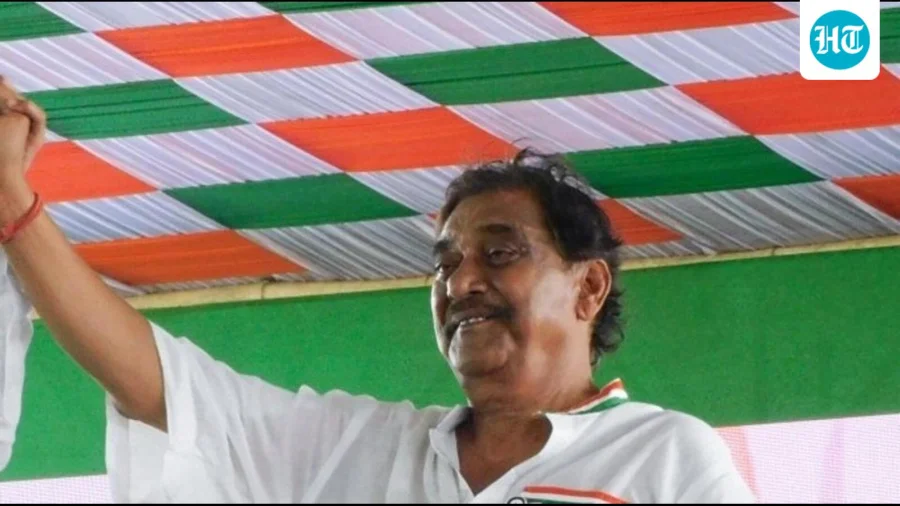
The Lokpal has dismissed a corruption complaint against Arup Chakraborty, the rebel Trinamool Congress MP from Bankura, after the Central Bureau of Investigation found six allegations against him unsubstantiated. The order, which cites no merit in the complaint, brings a measure of legal relief to a politician who has been at odds with his own party's leadership in West Bengal.
A Complaint That Could Not Stand Up to Scrutiny
The case against Chakraborty rested on six specific allegations of corruption. According to the available information, the CBI examined each one and concluded that none could be substantiated. The Lokpal, India's anti-corruption ombudsman, then dismissed the complaint on the grounds that it lacked merit.
For a sitting Member of Parliament, such a complaint carries serious weight. A formal investigation can disrupt public work, damage reputation, and create political vulnerability. In this instance, the investigative process did not find enough to proceed.
Why This Matters Beyond One MP's Legal Battle
The dismissal is significant for two reasons. First, it removes an immediate legal cloud over Chakraborty, allowing him to continue his parliamentary duties without the shadow of an active corruption inquiry. Second, it arrives at a time when the MP's relationship with the Trinamool Congress leadership is already strained.
Chakraborty has been described as a "rebel" within the party, suggesting internal friction that predates this complaint. A corruption case—even one that ends in dismissal—can become a political tool in such situations. Its closure may alter the calculus for both the MP and the party.
How the Case Unfolded
The complaint was filed with the Lokpal, which referred the matter to the CBI for a preliminary inquiry. The CBI's role in such cases is to determine whether there is sufficient evidence to warrant a fuller investigation. In this instance, the agency found the six allegations unsubstantiated, and the Lokpal accepted that finding.
Details about who filed the complaint, when it was submitted, and the exact nature of the six allegations are not available in the source material. What is clear is that the process ran its course and ended in dismissal.
The Human and Political Cost of an Unproven Allegation
For any public figure, a corruption complaint—even one that is ultimately dismissed—exacts a cost. It consumes time, legal resources, and public attention. It can also be weaponised by opponents, regardless of the final outcome.
Chakraborty's constituents in Bankura, a district in West Bengal, may have followed the case with concern. The dismissal offers clarity: the allegations did not hold up. But the political ripples within the TMC are likely to continue, given his rebel status.
No Immediate Response from the MP or the Party
As of the available information, neither Arup Chakraborty nor the Trinamool Congress has issued a public statement on the Lokpal's decision. The absence of a reaction leaves room for speculation, but no verified comment is available to report.
Officials familiar with the process have indicated that the dismissal is final at the Lokpal level. There is no indication of further appeals or proceedings in this specific matter.
What the Dismissal Does—and Does Not—Mean
The Lokpal's order does not declare Chakraborty innocent in an absolute sense. It states that the complaint, as examined by the CBI, had no merit. That is a legal finding about the evidence, not a moral verdict.
It also does not resolve the political tensions within the TMC. Chakraborty's position as a rebel MP remains unchanged. The party's internal dynamics, which have been tense in West Bengal, are unaffected by this legal outcome.
Confirmed Facts vs What Remains Unclear
Confirmed: The Lokpal dismissed the corruption complaint. The CBI found six allegations unsubstantiated. Arup Chakraborty is the MP from Bankura and is described as a rebel TMC leader.
Unclear: The identity of the complainant, the specific nature of the six allegations, the exact date of the Lokpal order, and whether any political fallout will follow. These details are not available in the source material and should not be assumed.
Risks and the Road Ahead for Chakraborty
While the legal complaint is dismissed, political risks remain. A rebel MP within a major party can face internal disciplinary action, reduced party support, or isolation in legislative work. The dismissal does not shield Chakraborty from those possibilities.
Conversely, the outcome may strengthen his position by removing a line of attack. How the TMC leadership responds—or whether it responds at all—will shape the next phase of this story.
A Familiar Pattern in Indian Politics
Corruption complaints against politicians, followed by investigations that find no merit, are not uncommon. They often become part of the broader political theatre, where the allegation itself can be as damaging as any conviction.
The Lokpal's dismissal in this case is a reminder that the process, however slow, can produce a clear outcome. But it also highlights how such complaints can linger in public perception long after they are legally closed.
What Readers Should Take Away
For those following West Bengal politics, the key takeaway is that Arup Chakraborty no longer faces this particular corruption complaint. His political identity as a rebel TMC MP, however, is unchanged.
For general readers, the case illustrates how India's anti-corruption framework operates: complaints are examined, evidence is weighed, and dismissals are possible. It is a system that can clear as well as accuse.
What Could Happen Next
No further legal steps are indicated in this matter. Politically, the focus may shift to how the TMC handles its internal dissent, and whether Chakraborty's role in the party changes. Any future developments would depend on decisions not yet made or announced.
Our Take
The Lokpal's dismissal of the complaint against Arup Chakraborty is a legal closure, not a political one. It clears a specific set of allegations but leaves untouched the larger questions about internal party dynamics in West Bengal. For Chakraborty, it is a moment of relief. For the TMC, it is another data point in managing a rebel within its ranks. The story is not over—it has simply moved to a different arena.
Frequently Asked Questions
What did the Lokpal decide in Arup Chakraborty's case?
The Lokpal dismissed a corruption complaint against MP Arup Chakraborty after the CBI found six allegations unsubstantiated. The order cited no merit in the complaint.
Who is Arup Chakraborty?
Arup Chakraborty is the Member of Parliament from Bankura, West Bengal. He is described as a rebel leader within the Trinamool Congress.
Does this mean Arup Chakraborty is fully cleared of all allegations?
The Lokpal dismissed this specific complaint based on the CBI's finding that six allegations had no merit. It is a legal closure of this case, not a blanket declaration of innocence on all possible matters.
What happens next for Arup Chakraborty?
Legally, the matter appears closed. Politically, his position as a rebel TMC MP remains, and any future developments will depend on internal party decisions and his own actions.