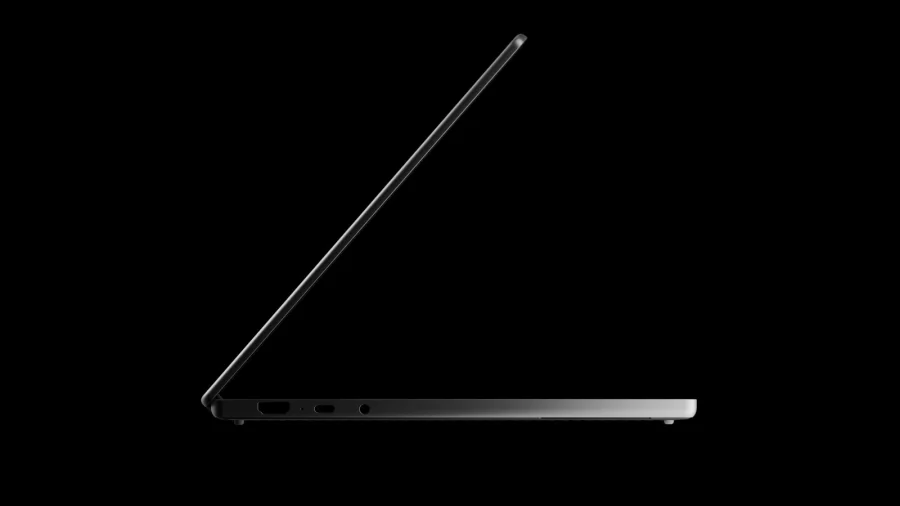
The first images and specifications of Lenovo's Googlebook devices have surfaced online, and they suggest something bigger than another Chromebook refresh. These aren't just budget laptops — they look like premium machines designed to challenge the MacBook Air and Microsoft's Surface lineup.
What the Leaked Googlebook Devices Show
According to the leaked details, Lenovo has built at least two new laptops and a convertible 2-in-1 device under the Googlebook banner. The 2-in-1 appears to feature a 360-degree hinge, allowing it to switch between laptop and tablet modes.
The design language reportedly leans toward minimalist aluminum builds, a departure from the plastic chassis commonly associated with budget Chromebooks. This suggests Google is positioning Googlebooks as a step above its existing ChromeOS hardware.
Why Googlebook Matters for Everyday Buyers
For most people, the Googlebook initiative could mean a simpler choice. Instead of comparing Windows vs macOS, buyers might soon weigh a third option that promises tighter integration with Google's apps and services.
If the leaked devices are accurate, users could get a laptop that boots faster, updates seamlessly, and works effortlessly with Gmail, Google Drive, and Android apps. That's a compelling pitch for students, remote workers, and families already living inside Google's ecosystem.
How the Googlebook Initiative Came Together
Google has long experimented with its own hardware, from Pixel phones to the Pixelbook line. The Googlebook program appears to be an evolution of that strategy — partnering with established manufacturers like Lenovo to produce devices under a unified Google brand.
This approach lets Google control the software experience while leveraging Lenovo's supply chain and global distribution. It's a familiar playbook, similar to how Google works with Samsung for Pixel components or how Microsoft partners with Dell and HP for Surface-adjacent devices.
Who Stands to Benefit Most from These Devices
Students are the most obvious beneficiaries. A well-built, affordable laptop that runs Google's ecosystem natively could replace the need for expensive Windows machines or MacBooks in classrooms.
Remote workers and freelancers could also find value. If the Googlebook delivers on battery life and performance, it becomes a reliable daily driver for video calls, document editing, and light creative work — all without the bloatware that often comes with Windows PCs.
What Lenovo and Google Have Said So Far
Neither company has issued an official statement about the leaked devices. As with most hardware leaks, the details come from unofficial sources and should be treated with some caution.
Industry observers note that Lenovo has a history of appearing in early leaks before official announcements. If the pattern holds, an official reveal could come within the next few months, possibly alongside Google's next major software update.
What the Leak Really Tells Us About Google's Strategy
The Googlebook initiative is not just about selling laptops. It's about Google securing a more prominent place in the hardware market, reducing its reliance on phone sales and cloud subscriptions alone.
By partnering with Lenovo, Google gains instant manufacturing credibility. Lenovo is one of the world's largest PC makers, with deep relationships in retail and enterprise. That combination could give Googlebooks a distribution advantage that Pixel phones never fully achieved.
Confirmed Details vs What Remains Unclear
What appears confirmed: Lenovo has built new laptops and a 2-in-1 under the Googlebook name, based on leaked materials. The devices seem to feature premium materials and a convertible design.
What remains unclear: exact specifications, pricing, release dates, and whether these devices will run ChromeOS or a new Google operating system. Until Lenovo or Google makes an official announcement, all of these details are speculative.
Why Lenovo's Manufacturing Muscle Matters Here
Lenovo's strength lies in its ability to produce high-quality hardware at scale. The company ships millions of laptops annually and has refined its supply chain over decades.
That scale matters for Google. A Googlebook made by Lenovo can reach more markets, more retailers, and more price points than a device built entirely in-house. It also reduces financial risk — if a model underperforms, Lenovo absorbs part of the manufacturing cost.
Risks and Concerns Around the Googlebook Push
Not everyone is convinced the Googlebook will succeed. Critics point out that ChromeOS devices have historically struggled to gain traction beyond education and budget segments.
There's also the question of app compatibility. While Android apps run on ChromeOS, the experience can be inconsistent. If Googlebooks rely on the same software foundation, users may encounter the same frustrations.
Pricing will be another test. If Googlebooks launch too close to Windows or MacBook prices, the value proposition weakens. If they undercut rivals significantly, they risk being seen as cheap alternatives rather than premium devices.
The Bigger Shift in the Laptop Market
The Googlebook leak arrives at a time when the laptop market is quietly consolidating. Apple's M-series chips have raised performance expectations, and Windows laptops are scrambling to catch up.
Google's entry with a unified hardware brand could add a third major ecosystem. That would give consumers more choice and put pressure on both Apple and Microsoft to innovate faster.
What You Should Do If You're Considering a New Laptop
If you're in the market for a laptop, it may be worth waiting a few months. The Googlebook announcement could introduce competitive pricing or features that shift the value equation.
If you're already invested in Google's ecosystem — using Gmail, Google Drive, and Android apps daily — a Googlebook could be a natural fit. But don't cancel existing plans based on leaks alone. Wait for official specifications and reviews.
What Happens Next for the Googlebook Lineup
Expect more leaks in the coming weeks as the devices move closer to production. Regulatory filings and retail listings often surface before official launches.
Google's next major hardware event is the most likely stage for an official reveal. If the leaked designs hold up, the Googlebook could become one of the most talked-about laptop launches of the year.
Our Take
The Googlebook initiative represents a calculated bet by Google. By partnering with Lenovo, the company avoids the manufacturing headaches that have plagued its Pixel hardware line while gaining access to a global distribution network.
For consumers, the real question is whether Google can deliver a laptop that feels genuinely different — not just another ChromeOS device with a new name. If the leaked designs are any indication, Google is aiming higher than before. Whether that ambition translates into a compelling product remains to be seen.
Frequently Asked Questions
What is the Googlebook initiative?
The Googlebook initiative is Google's effort to create a unified line of laptops and convertible devices in partnership with manufacturers like Lenovo. These devices are designed to run Google's software ecosystem with tighter integration than typical Chromebooks.
When will Lenovo's Googlebook devices be released?
No official release date has been announced. Based on the leak pattern, an official reveal could happen within the next few months, likely at a Google hardware event.
Will Googlebooks run ChromeOS or a new operating system?
It's not yet confirmed. Most speculation points to ChromeOS or an evolved version of it, but Google has not made an official statement about the software powering these devices.
How will Googlebooks differ from existing Chromebooks?
Based on leaked details, Googlebooks appear to feature premium materials and a more unified design language. They may also offer deeper software integration with Google services compared to standard Chromebooks from various manufacturers.