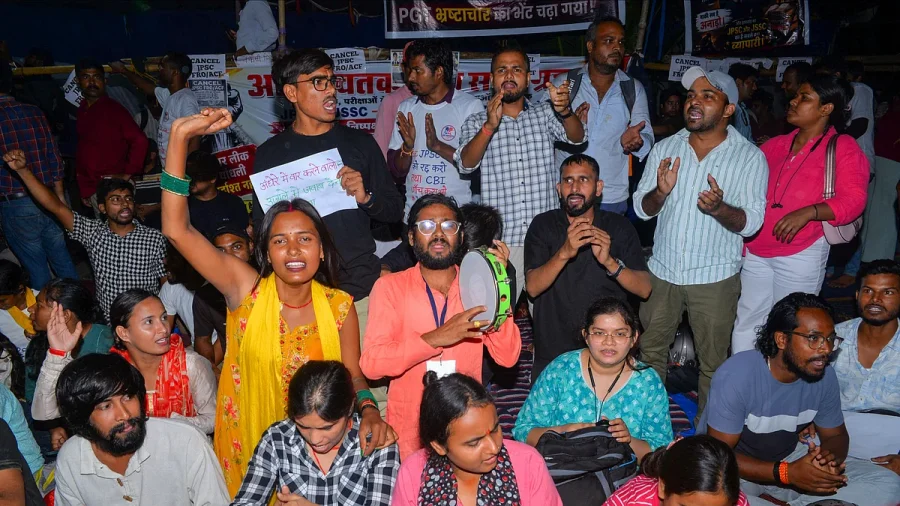
The Jharkhand Criminal Investigation Department (CID) has arrested Manu Kumar Singh, the 16th person taken into custody in its widening probe into alleged irregularities in the Jharkhand Staff Selection Commission's Combined Graduate Level (JSSC-CGL) examination held in 2023. The arrest, confirmed by an official on Friday, adds another layer to a case that has already disrupted the career trajectories of thousands of aspirants across the state.
Singh allegedly helped several candidates gain an unfair advantage in the examination, according to the official. The specific nature of that advantage—whether it involved leaked question papers, manipulated answer sheets, or impersonation—has not been detailed in the available information. The CID's investigation remains active, and more arrests have not been ruled out.
A Recruitment Exam That Became a Legal Battleground
The JSSC-CGL examination is a gateway to government clerical and equivalent posts in Jharkhand—positions that offer stability, social standing, and a steady income in a state where such jobs are fiercely competitive. For many candidates, clearing this exam represents years of preparation and a rare shot at upward mobility.
When allegations of irregularities first surfaced, the state government moved to cancel the examination. That decision, however, triggered a fresh crisis. Candidates who had already cleared the exam and were awaiting appointment petitioned the Jharkhand High Court, arguing that a blanket cancellation would punish those who had earned their positions legitimately.
Why the High Court's Stay Changes Everything
The Jharkhand High Court has stayed the government's decision to cancel the examination. This means the cancellation order is currently on hold, and the exam's fate—along with the futures of thousands of candidates—now rests on the court's final ruling.
The stay has created a peculiar situation: the CID continues to make arrests in a case that the government itself believes is tainted, yet the examination has not been formally scrapped. Candidates who cleared it are in a state of suspended animation—neither appointed nor rejected, waiting for a legal resolution that could take months.
The Human Cost of an Unresolved Investigation
Behind the legal jargon and official statements are real people. Candidates who spent years preparing for the JSSC-CGL exam now find themselves in an agonizing limbo. Those who cleared it cannot celebrate; those who didn't cannot move on. The uncertainty affects not just their careers but their mental health, family expectations, and financial planning.
For the 16 people arrested so far, the consequences are more immediate. They face criminal charges, potential jail time, and the social stigma of being linked to a recruitment scandal. Whether all of them are ultimately convicted remains to be seen—arrest is not proof of guilt, and the investigation is still in its early stages.
What the CID Has Said—and What Remains Unclear
The CID has confirmed Singh's arrest and his alleged role in helping candidates gain an unfair advantage. However, the agency has not publicly detailed the exact mechanism of the alleged irregularities, the number of candidates who may have benefited, or whether any of those candidates have been questioned or arrested.
It is also unclear whether the CID's investigation will conclude before the High Court rules on the cancellation petition. The two processes—criminal investigation and judicial review—are running on separate tracks, and their outcomes could conflict. A court order to reinstate the exam, for instance, would not automatically invalidate the criminal case against those accused of rigging it.
The Bigger Picture: A Pattern of Exam Scandals
Jharkhand's JSSC-CGL case is not an isolated incident. In recent years, recruitment exam scandals have erupted in multiple Indian states, from Bihar to Uttar Pradesh to West Bengal. These cases share a common thread: intense competition for government jobs, opaque examination processes, and allegations of collusion between officials and candidates.
The scale of the problem has prompted calls for systemic reform—computer-based testing, centralized monitoring, and stricter penalties for those found guilty of rigging exams. Whether Jharkhand's case will lead to such changes, or simply become another statistic in a long list of recruitment controversies, remains to be seen.
What Candidates and Observers Should Watch For
For candidates affected by the JSSC-CGL case, the immediate priority is to stay informed about the High Court's proceedings. The stay on the cancellation order is not a final verdict; it merely pauses the government's decision while the court examines the arguments.
Legal experts suggest that candidates who cleared the exam should keep their documents ready and monitor official notifications from the JSSC and the state government. Those who did not clear it may need to prepare for the possibility of a re-examination, depending on how the court rules.
What Happens Next?
The CID is expected to continue its investigation, with the possibility of more arrests. The High Court, meanwhile, will hear arguments from both the government and the petitioners before deciding whether the cancellation should stand. A final ruling could take weeks or months.
In the meantime, the 16 arrests serve as a reminder that the stakes in this case go beyond individual careers. They touch on the integrity of Jharkhand's recruitment system—and the faith that millions of young people place in it.
Our Take
The JSSC-CGL case is a test of institutional credibility. The CID's arrests signal that the state is serious about investigating irregularities. But the High Court's stay on the cancellation order highlights a genuine dilemma: how do you punish the guilty without penalizing the innocent? The answer will shape not just this exam, but the future of recruitment in Jharkhand.
Frequently Asked Questions
Who is Manu Kumar Singh?
Manu Kumar Singh is the 16th person arrested by the Jharkhand CID in connection with alleged irregularities in the JSSC-CGL 2023 examination. He allegedly helped candidates gain an unfair advantage.
Why has the Jharkhand High Court stayed the exam cancellation?
The High Court stayed the cancellation after candidates who cleared the exam filed a petition, arguing that a blanket cancellation would unfairly punish those who succeeded legitimately.
What does the stay mean for candidates who cleared the JSSC-CGL exam?
The stay means the cancellation order is on hold. Candidates who cleared the exam are neither appointed nor rejected—they must wait for the court's final ruling.
Will the JSSC-CGL exam be re-conducted?
That depends on the High Court's final decision. If the court upholds the cancellation, a re-examination is likely. If it strikes down the cancellation, the original results may stand.
How many people have been arrested so far in this case?
Sixteen people have been arrested so far, including Manu Kumar Singh. The CID investigation is ongoing, and more arrests are possible.