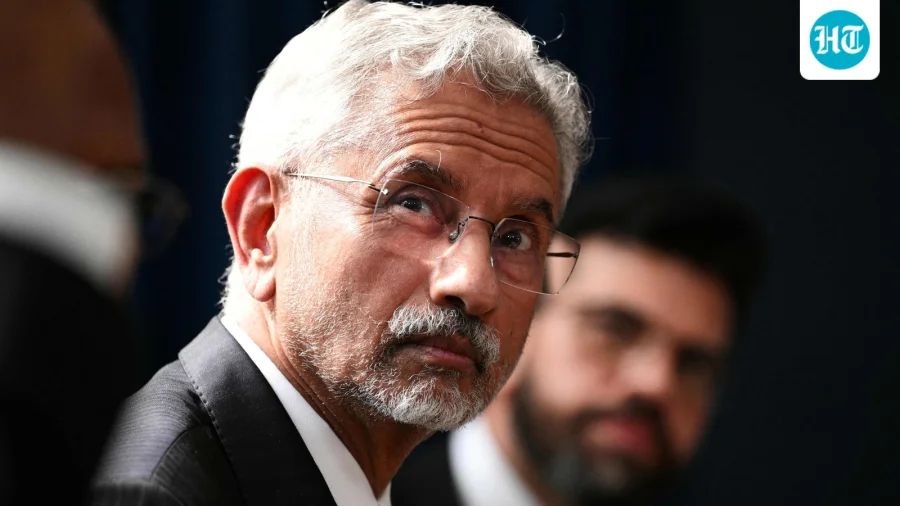
External Affairs Minister S Jaishankar is set to embark on a significant 10-day diplomatic tour covering West Asia, the United States, and Belgium, with the centrepiece being the formal launch of India’s campaign for a non-permanent seat on the United Nations Security Council (UNSC) for the 2028-29 term. The visit, scheduled from July 5 to 15, underscores India’s strategic priorities in both its immediate neighbourhood and on the global stage.
Why this tour matters for India’s global ambitions
This is not a routine diplomatic trip. The July 13 event in New York marks India’s official entry into the race for a non-permanent UNSC seat — a position that carries significant weight in shaping international peace and security decisions. India last served as a non-permanent member in 2021-22. Winning the 2028-29 term would give New Delhi a platform to push for reforms in the UN Security Council, including its long-standing demand for permanent membership.
The West Asia leg: Gulf ties under the spotlight
Before heading to the US, Jaishankar will visit Bahrain, Qatar, Kuwait, and Oman. These Gulf nations are home to millions of Indian expatriates and are critical partners for India’s energy security, trade, and investment. The discussions are expected to cover bilateral economic cooperation, the welfare of the Indian diaspora, and regional stability — particularly in light of ongoing tensions in West Asia. The visits also come at a time when India is deepening its strategic autonomy in the region, balancing ties with both Gulf monarchies and Iran.
New York: The UNSC campaign launch on July 13
The highlight of the US leg will be the July 13 event at the United Nations headquarters in New York. India will formally present its candidature for the non-permanent seat for the 2028-29 term. The election for this seat is expected to take place in 2027, and India will need to secure the support of a two-thirds majority of UN member states in the General Assembly. The campaign launch will involve outreach to various regional groups, including the Asia-Pacific group, to which India belongs.
Brussels: Strengthening the EU-India axis
After the US, Jaishankar will travel to Brussels, the capital of the European Union. The visit is aimed at bolstering the EU-India Strategic Partnership, which has gained momentum in recent years. Key agenda items are likely to include trade and investment, technology cooperation, climate change, and coordination on global issues such as the situation in Ukraine and the Indo-Pacific. The EU is India’s third-largest trading partner, and both sides are working on a free trade agreement.
Official confirmation and what we know so far
The Ministry of External Affairs has confirmed the broad itinerary, though detailed schedules for each country are yet to be released. Sources indicate that the visits to Gulf nations will include meetings with top leadership, while the New York event will involve interactions with UN officials and member state representatives. The Brussels leg is expected to include meetings with EU foreign policy chief and other senior officials.
What this means for India’s foreign policy posture
This tour reflects India’s multi-aligned foreign policy — engaging simultaneously with the Gulf, the US, and Europe. It signals that New Delhi is not just a regional power but an aspiring global player. The UNSC campaign launch is particularly significant as it comes amid growing calls for reforming the Security Council to reflect contemporary geopolitical realities. India has consistently argued that the 15-member body, created in 1945, is outdated and does not represent the developing world adequately.
Confirmed facts vs what remains unclear
Confirmed: Jaishankar will visit Bahrain, Qatar, Kuwait, Oman, the US, and Belgium from July 5-15. The UNSC campaign launch is scheduled for July 13 in New York. The Ministry of External Affairs has officially announced the tour.
Unclear: The exact schedule for each country, the specific leaders he will meet, and the detailed agenda for the Brussels talks have not been released. It is also not yet known whether any bilateral agreements will be signed during the tour.
India’s track record at the UN Security Council
India has served as a non-permanent member of the UNSC eight times, most recently in 2021-22. During that term, India focused on issues such as counter-terrorism, peacekeeping, and the reform of the Security Council. The upcoming campaign for the 2028-29 term is part of a broader strategy to secure a permanent seat in an expanded Council. India has also been a leading voice for the inclusion of African and other developing nations in the permanent membership.
Risks and challenges ahead
While India is a strong contender for the non-permanent seat, the campaign is not without challenges. The election requires securing support from a two-thirds majority of the 193-member General Assembly. India will need to navigate competing interests, particularly from other aspiring candidates in the Asia-Pacific group. Additionally, the UNSC reform process remains stalled, and India’s push for permanent membership faces opposition from some current permanent members. The tour also comes at a time of heightened geopolitical tensions, including the Russia-Ukraine war and the Israel-Hamas conflict, which could complicate diplomatic messaging.
The bigger picture: India’s rise as a global diplomatic player
This tour is part of a larger pattern of India’s increasing diplomatic activism. In recent years, New Delhi has hosted the G20 summit, chaired the Shanghai Cooperation Organisation, and played a key role in the Voice of the Global South summits. The UNSC campaign is another step in India’s efforts to shape global governance structures. The simultaneous engagement with the Gulf, the US, and Europe also reflects India’s strategy of building diversified partnerships rather than relying on any single bloc.
What Indians should watch for
For the Indian diaspora in the Gulf, the visit could bring announcements related to their welfare, including consular services and labour rights. For businesses, the EU-India talks in Brussels may signal progress on the long-pending free trade agreement. For the general public, the UNSC campaign launch is a moment of national pride, but also a reminder of the diplomatic heavy-lifting required to secure a seat at the high table. Observers should watch for any joint statements or agreements that emerge from the tour.
What happens next
After the tour, the Ministry of External Affairs will likely release a detailed readout of each leg. The UNSC campaign will then enter a phase of sustained diplomatic outreach, with Indian envoys expected to lobby member states across regions. The election for the 2028-29 term is expected in 2027, giving India roughly two years to build consensus. The success of this campaign will depend on India’s ability to present itself as a credible, responsible, and representative candidate for global leadership.
Our Take
This tour is a carefully calibrated diplomatic move. By combining a Gulf visit with a UNSC campaign launch and EU talks, Jaishankar is signalling that India’s foreign policy is both regional and global in scope. The UNSC bid is the headline, but the real work will be in the bilateral conversations — securing votes, building trust, and demonstrating that India is ready for a larger role. The challenge will be balancing competing interests: the Gulf states want India’s energy purchases and labour exports; the US wants a partner in the Indo-Pacific; the EU wants a like-minded democracy on trade and climate. India’s ability to manage these expectations will define the success of this tour.
Frequently Asked Questions
Why is Jaishankar visiting West Asia, the US, and Belgium?
External Affairs Minister S Jaishankar is undertaking a 10-day diplomatic tour from July 5 to 15 to strengthen bilateral ties with Gulf nations, launch India’s campaign for a non-permanent UN Security Council seat in New York on July 13, and hold strategic talks with the European Union in Brussels.
What is the significance of the July 13 event in New York?
On July 13, India will formally launch its campaign for a non-permanent seat on the UN Security Council for the 2028-29 term. This is a key step in India’s long-term goal of securing a permanent seat and increasing its influence in global governance.
Which Gulf countries will Jaishankar visit?
Jaishankar will visit Bahrain, Qatar, Kuwait, and Oman. These visits are focused on energy security, trade, and the welfare of the Indian diaspora in the region.
What is the purpose of the Brussels leg of the tour?
In Brussels, Jaishankar will meet EU officials to discuss the EU-India Strategic Partnership, including trade, technology, climate change, and coordination on global issues like the Indo-Pacific and the Ukraine conflict.