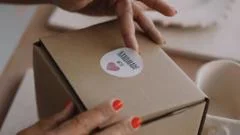
Every time you toss a cardboard box or a magazine into the recycling bin, a quiet battle is being fought. The enemy? The glue and labels stuck to the paper. For years, these adhesives have been a silent saboteur of the recycling process, but a wave of new technology is promising to change that. The question is: will it be enough, or is it time to fundamentally rethink how we stick things to paper?
The Hidden Cost of a Sticky Label
The problem is deceptively simple. When paper is recycled, it’s mixed with water and chemicals to create a pulp. Labels and their adhesives don't break down the same way. Instead, they form sticky globs called "stickies" that clog machinery, reduce the quality of the recycled fiber, and can even cause entire batches to be rejected. For recycling mills, this is a costly and frustrating reality.
Why Your Envelope Might Be a Problem
Think about the last envelope you opened. The stamp, the address label, the window — all held in place by adhesives. Magazines, cardboard boxes, and even food packaging rely heavily on labels. The cumulative effect is massive. According to industry estimates, adhesives can account for a significant percentage of the contaminants that end up in the final recycled product, making it less valuable and harder to sell.
New Tech on the Horizon: The Adhesive Eaters
But there is hope. Researchers and companies are developing new technologies to tackle the sticky problem. One promising approach uses enzymes that break down the adhesive molecules, turning them into harmless, water-soluble substances. Another involves advanced mechanical separation systems that use heat and pressure to remove labels before the pulping stage. These innovations could dramatically improve the efficiency of paper recycling, allowing more material to be reused.
What This Means for You and Your Waste
For the average person, the immediate takeaway is simple: whenever possible, peel off labels and stickers before recycling. It’s a small action that can have a big impact. But the bigger picture is about design. If new tech can make labels and adhesives fully recyclable, it could change the entire packaging industry. Until then, the burden falls on consumers and recycling facilities to manage the mess.
Industry Response: A Slow Shift
The packaging and recycling industries are aware of the issue. Some companies are already moving toward "wash-off" adhesives that dissolve in water, or "recyclable" labels that don't leave residue. However, widespread adoption is slow. The cost of switching to new adhesives and the need for compatibility with existing recycling infrastructure are major hurdles. For now, the industry is in a transitional phase.
The Deeper Problem: A Design Flaw
At its core, the issue is a design flaw. We’ve created packaging that is convenient for manufacturers but difficult to recycle. The glue and labels are a perfect example of this. The new technology is a fix, but it’s a fix for a problem that shouldn't exist in the first place. A more sustainable approach would be to design packaging that doesn't rely on non-recyclable adhesives at all.
Confirmed Facts vs What Remains Unclear
Confirmed: Adhesives are a known contaminant in paper recycling. New technologies like enzymatic and mechanical separation are being developed. Unclear: The timeline for widespread commercial adoption of these new technologies. The exact percentage of recycling contamination caused specifically by labels versus other sources. Whether consumer behavior change alone can make a significant difference.
Risks and Balanced View
The promise of new tech is real, but it’s not a silver bullet. The cost of retrofitting recycling plants could be high, and the new adhesives might not work for all applications. There’s also a risk that consumers will become complacent, assuming the technology will solve everything. A balanced view is that both technological innovation and behavioral change are needed. The industry must also be transparent about the limitations of current recycling systems.
Wider Trend: The Push for Circular Packaging
This story is part of a larger movement toward a circular economy, where materials are kept in use for as long as possible. From plastic-free packaging to compostable materials, the pressure is on to design products that don't end up in landfill. The glue and label problem is just one piece of that puzzle, but it’s a critical one.
Practical Reader Guidance
What can you do right now? First, make a habit of peeling off labels and stickers from cardboard boxes, envelopes, and plastic containers before recycling. Second, support brands that use recyclable or wash-off adhesives. Third, stay informed. The technology is evolving, and your choices as a consumer can help drive demand for better solutions.
Future Outlook
In the next five to ten years, we are likely to see a significant shift. Enzymatic and mechanical removal technologies will become more common in large recycling facilities. More packaging will be designed with recyclability in mind. The question is whether this will happen fast enough to keep pace with the growing volume of waste. The answer depends on investment, regulation, and consumer pressure.
Our Take
The glue and label problem is a classic example of a hidden environmental cost. It’s not as visible as plastic bags or straws, but it’s just as damaging. The new technology is a welcome development, but it shouldn't let manufacturers off the hook. The real solution is to design packaging that doesn't create the problem in the first place. Until then, every peeled label is a small victory.
Frequently Asked Questions
Do I need to remove labels from cardboard boxes before recycling?
Yes, it’s highly recommended. While some recycling facilities can handle a few labels, removing them significantly improves the quality of the recycled material and reduces contamination.
Are there any labels that are already recyclable?
Yes, some companies produce "recyclable" or "wash-off" labels that are designed to dissolve or separate easily during the recycling process. Look for packaging that specifically states this.
What happens to the glue if I don't remove the label?
The glue can form sticky clumps called "stickies" that clog machinery and contaminate the recycled pulp, reducing its quality and value. It can also cause entire batches of paper to be rejected.
Is the new technology for removing adhesives expensive?
Currently, yes. Retrofitting existing recycling plants with new enzymatic or mechanical systems requires significant investment. However, as the technology matures and scales, costs are expected to come down.