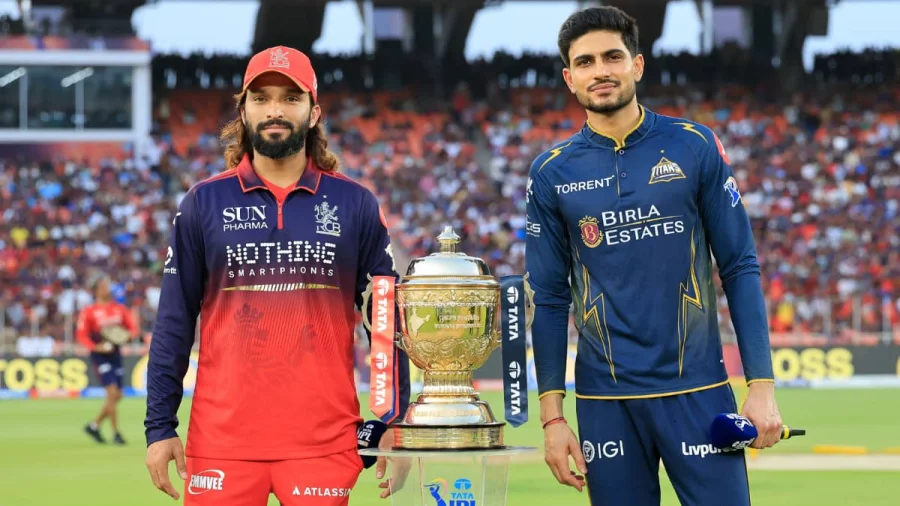
The moment Rajat Patidar called "heads" and the coin landed in his favor, a familiar tension rippled through the Narendra Modi Stadium. The RCB captain didn't hesitate. He chose to bowl first. But as the crowd roared and the Gujarat Titans walked out to bat, one question hung in the air: was this the right call?
For millions of fans watching across India, the toss decision in an IPL final isn't just a tactical move. It's a gamble that can define careers, break hearts, or create legends. And history, as always, has something to say about it.
Why This Matters Right Now
This isn't just another match. This is RCB's shot at their first IPL title after years of heartbreak. Every decision — especially the toss call — is magnified. If RCB wins, Patidar will be hailed as a brave leader. If they lose, the decision to bowl first will be questioned for years. The stakes couldn't be higher for the franchise, its captain, and its loyal fanbase.
How the Toss Decision Unfolded
Patidar won the toss and immediately signaled his intent. He backed his bowling attack to make early inroads, describing the Ahmedabad pitch as a good surface for batting. The early signs were promising. Within the Powerplay, GT lost both openers — Shubman Gill and Sai Sudharsan — leaving the Titans reeling. The decision, at least in the opening overs, seemed to be paying off.
But as any cricket fan knows, a final is a marathon, not a sprint. The real test would come later, under lights, when RCB's batsmen would have to chase a target on a pitch that could change behavior.
What History Suggests About Chasing in IPL Finals
Looking back at all IPL finals, the data tells a cautious story. Teams that have batted first have won the title slightly more often than those that chased. Out of 16 completed IPL finals (excluding the 2020 final which was a day game), teams batting first have won 9 times, while teams chasing have won 7 times.
But the numbers alone don't tell the full story. The venue matters. In Ahmedabad, the pitch tends to slow down in the second innings, making stroke play harder under lights. However, the dew factor can also make bowling difficult, especially for spinners. It's a delicate balance that captains must weigh.
Who Is Affected and What Experts Are Saying
This decision impacts not just the two teams, but the entire cricketing ecosystem. Fans, analysts, and former players are already debating the call. Some praise Patidar's aggressive mindset, pointing to RCB's strong bowling lineup. Others warn that chasing in a high-pressure final is a different beast altogether.
"It's a brave call," one analyst noted. "But in finals, you often want to put runs on the board and let the pressure do the rest. Chasing requires composure, and that's not always easy in a final."
What We Know So Far — and What Remains Unclear
What we know: RCB won the toss and chose to bowl. GT lost early wickets. The pitch is expected to be good for batting initially but may slow down.
What remains unclear: How the pitch will behave under lights. Whether dew will play a factor. Whether RCB's batting lineup can handle the chase pressure. And most importantly, whether this decision will be remembered as genius or a mistake.
Risks, Concerns, and the Balanced View
The biggest risk for RCB is the unknown. If GT posts a competitive total — say, 180 or more — the chase becomes a mental battle as much as a physical one. RCB's batting, while explosive, has been inconsistent in high-pressure games. On the other hand, if RCB restricts GT to a low total, the decision will look inspired.
There's also the risk of overthinking. Sometimes, the best decision is the one that aligns with the team's strengths. RCB's bowling attack — with pace and spin options — is well-suited to defend or chase. But in finals, execution matters more than strategy.
Why Similar Trends Are Growing in Modern Cricket
In recent years, chasing has become more common in T20 cricket, especially in day-night games where dew can make bowling difficult. Teams like Mumbai Indians and Chennai Super Kings have successfully chased in finals. But the trend isn't universal. The 2023 final saw Chennai Super Kings chase successfully, while the 2024 final saw Kolkata Knight Riders defend a total.
The key takeaway? There's no one-size-fits-all formula. The decision depends on pitch conditions, team composition, and — most importantly — the captain's gut feel.
- Teams batting first have won 9 out of 16 IPL finals
- Teams chasing have won 7 out of 16 IPL finals
- Ahmedabad pitch tends to slow down in second innings
- Dew factor can neutralize bowling advantage
"Chasing in a final is about temperament. You need a calm head and a clear plan." — Former IPL captain
What RCB Fans Should Know Now
For RCB supporters watching with bated breath, here's the honest truth: the decision to bowl first is a calculated risk. It's not wrong, but it's not guaranteed either. The early wickets are a good sign, but the game is far from over. Trust the process, but be prepared for twists. That's the nature of finals.
What Could Happen Next
If RCB's bowlers continue to pick wickets and restrict GT to a below-par total, the chase becomes manageable. If GT recovers and posts a big score, RCB's batsmen will need to play the innings of their lives. Either way, the next few hours will determine whether Patidar's call was a masterstroke or a miscalculation.
Our Take: Why This Decision Matters Beyond One Match
This toss decision is a microcosm of modern cricket's biggest debate: aggression vs. caution. Patidar chose aggression, backing his bowlers to strike early. Whether it works or not, it reflects a mindset shift in Indian cricket — a willingness to take risks, to trust data and instinct over tradition. That, in itself, is worth watching.
FAQs
Did RCB make the right call by bowling first in the IPL 2026 final?
Early signs suggest it was a good decision, with GT losing both openers in the Powerplay. However, the final verdict will only come after the match ends. History shows both strategies can work, but execution under pressure is what truly matters.
What does IPL final history say about batting first vs chasing?
Teams batting first have won 9 out of 16 IPL finals, giving them a slight edge. However, recent finals have seen successful chases, especially when dew is a factor. The decision depends heavily on pitch conditions and team strengths.
How does the Ahmedabad pitch behave in IPL finals?
The Narendra Modi Stadium pitch tends to be good for batting early in the innings but can slow down under lights, making stroke play harder. Spinners often come into play in the second half. Dew can also make bowling difficult, especially for spinners.
What are the risks of chasing in an IPL final?
The biggest risk is the pressure of a run chase in a high-stakes game. Batsmen can get nervous, and a few quick wickets can derail the innings. Additionally, if the pitch slows down, scoring becomes harder. However, a successful chase can be incredibly satisfying and demoralizing for the opposition.