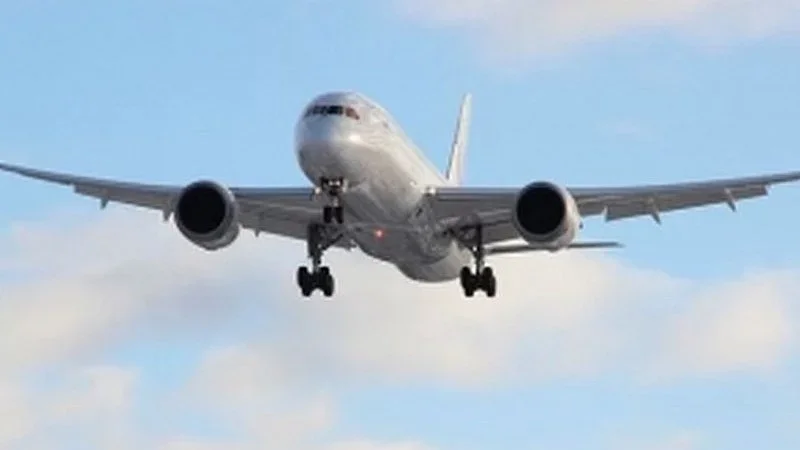
Thousands of travellers between India and Saudi Arabia are waking up to cancelled tickets this week. Air India, Air India Express, IndiGo and Akasa Air have all suspended services to major Saudi cities, with the longest suspension running until 20 October 2026.
The trigger, according to the airlines, is the evolving security situation in the region — not an operational or commercial decision.
Which Routes Are Grounded, and Until When
Air India and Air India Express have extended their suspension of flights to Riyadh, Jeddah and Dammam until 20 October 2026. IndiGo has cancelled its Saudi Arabia services until 24 October. Akasa Air has suspended Riyadh flights until 24 October and Jeddah flights until 21 October.
The dates differ by carrier, which means travellers booked on connecting itineraries may need to check each leg separately.
Why This Hits Indian Households Harder Than a Normal Delay
The India–Gulf corridor is one of the busiest international routes in the world, and a large share of passengers are blue-collar workers, nurses, engineers and students travelling on fixed contracts and fixed leave windows.
A cancelled flight is rarely just a cancelled flight. It can mean a missed joining date, a lost salary day, an expired visa stamping window, or a family reunion pushed back by weeks.
How the Suspension Unfolded
The advisories were issued by the airlines on social media platform X on Friday, with carriers citing the evolving security situation in the region. Air India and Air India Express extended an earlier suspension, while IndiGo and Akasa Air issued their own separate timelines.
No airline has publicly specified the exact nature of the security concern, and no government advisory detailing the specific trigger has been cited in the carriers' statements.
Who Is Affected — and Who Is Not
Passengers holding confirmed tickets on the affected routes are the immediate group impacted. Those flying to other Gulf destinations, or transiting through Saudi airports on partner airlines, should verify their specific itinerary directly with the operating carrier.
Travel agents report that rebooking options are limited because the entire India–Saudi capacity is affected at the same time, not just one airline's network.
What the Airlines Are Offering
Affected passengers can opt for refunds or complimentary rescheduling, according to the airlines' advisories. Travellers have been advised to check for flight updates before departing for the airport.
Passengers are advised to use the airline's official app, website or customer care line rather than third-party booking portals, which often lag behind airline systems during mass cancellations.
What Is Confirmed, and What Is Still Unclear
Confirmed: The suspension dates, the affected cities, and the refund/rescheduling options, as stated in the airlines' own advisories.
Unclear: The precise nature of the security concern, whether the suspension could be extended again, and whether additional Indian carriers will follow. Any claim about a specific incident driving the decision should be treated as unverified until officially confirmed.
Why This Is Bigger Than One Route
Indian carriers have been expanding aggressively into the Gulf, and Saudi Arabia has been a priority market under Vision 2030-driven aviation growth. A multi-week suspension on core routes disrupts that momentum and pushes passengers toward foreign carriers with remaining capacity.
It also tests how quickly Indian airlines can absorb stranded passengers when an entire regional corridor shuts down at once.
Risks and the Other Side of the Story
Suspending flights is a costly decision for airlines — it means lost revenue, aircraft repositioning and reputational strain. Carriers do not take it lightly, which suggests the underlying assessment is being treated seriously.
At the same time, prolonged suspensions without detailed public explanation can leave passengers anxious and uncertain about how to plan. Clearer communication on the nature and duration of the risk would help travellers make better decisions.
What You Should Do Right Now
If your flight is affected, contact the airline directly for a refund or reschedule rather than waiting at the airport. Keep written confirmation of any rebooking. If you are travelling for work, inform your employer or sponsor early — documentation of a cancelled flight can help with visa and joining-date extensions.
Check your flight status again within 24 hours of departure, even if you have already been rebooked.
What Could Happen Next
The suspensions currently run until 20–24 October 2026, depending on the carrier. If the security assessment improves, airlines may restore services earlier; if it worsens, further extensions are possible. No carrier has indicated a firm resumption date beyond the stated cut-offs.
Our Take
This is a story about risk management colliding with real lives. The airlines have acted quickly and offered refunds and rescheduling — that is the right baseline. But for the worker who saved for a year to fly home, or the nurse whose contract starts next week, the practical help matters more than the press note. Clear, frequent, route-specific updates from carriers over the next fortnight will decide whether this becomes a manageable disruption or a genuine crisis of confidence.
Frequently Asked Questions
Which Indian airlines have cancelled flights to Saudi Arabia?
Air India, Air India Express, IndiGo and Akasa Air have all suspended services to Saudi cities including Riyadh, Jeddah and Dammam.
Until when are India–Saudi flights cancelled?
Air India and Air India Express have suspended flights until 20 October 2026. IndiGo has cancelled Saudi Arabia flights until 24 October, Akasa Air's Riyadh services until 24 October and Jeddah flights until 21 October.
Will I get a refund if my flight is cancelled?
Yes. Affected passengers can choose either a full refund or complimentary rescheduling, as per the airlines' advisories.
Why have the flights been cancelled?
The airlines have cited the evolving security situation in the region. No further specifics have been publicly detailed by the carriers.
What should I do if my flight is affected?
Contact the airline directly through its official app, website or customer care line, confirm your refund or rebooking in writing, and check your flight status again within 24 hours of departure.