For families in flood-hit Nepal, the most immediate problem after the water recedes is often the darkness. India's decision to allow up to 654 MW of electricity to flow across the border for 18 hours every day until December 31 is aimed squarely at that gap — keeping lights, hospitals and water pumps running while the country rebuilds.
What India Has Actually Cleared
Under the arrangement, Nepal can draw up to 654 megawatts of power from India for 18 hours each day. The window runs until December 31, 2025, making it a fixed-term relief measure rather than a permanent revision of normal cross-border supply.
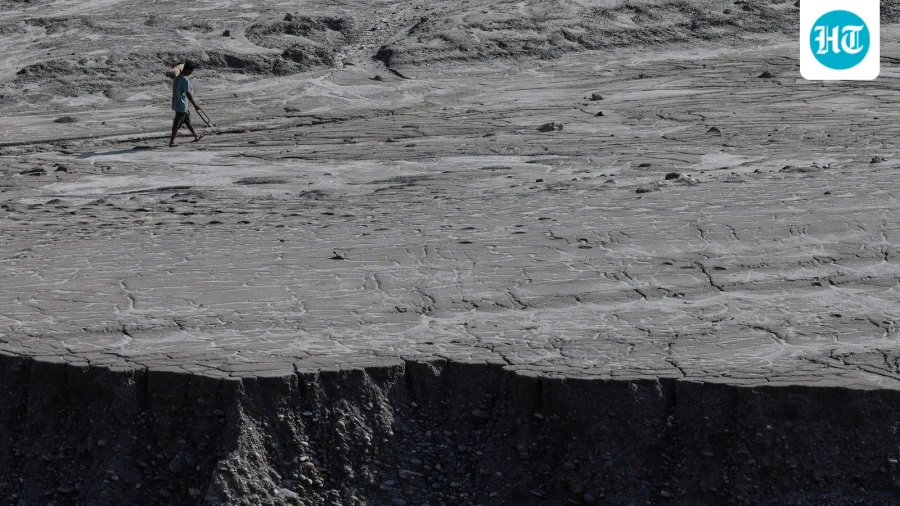
The approval follows large-scale devastation caused by recent floods and landslides in Nepal, which disrupted daily life and strained essential services.
Why Electricity Becomes the First Emergency
In flood-affected regions, power is not a comfort — it is infrastructure. Hospitals need it for ventilators and cold storage. Water utilities need it to pump clean supply. Telecom towers need it to keep families connected to relief helplines.
When grids fail after a disaster, the damage compounds: disease risk rises, communication collapses, and recovery slows. Restoring supply quickly is one of the fastest ways to stabilise a region.
How the Situation Developed
Nepal has faced severe flooding and landslides in recent weeks, with widespread damage to homes, roads and local infrastructure. The scale of the disruption prompted Kathmandu to seek additional electricity support from its southern neighbour.
India's approval of the 654 MW quota for 18 hours daily is the outcome of that request, structured as a temporary measure tied to the recovery period.
Who Feels This First
The immediate beneficiaries are households and public services in the worst-hit districts — places where local generation and distribution have been compromised.
For ordinary families, it means fewer blackouts during a period when shelter, medicine and clean water are already scarce. For small businesses and farmers, it can mean the difference between a recoverable loss and a ruinous one.
What Officials Have Said — and What Hasn't Been Detailed
The decision has been framed as relief support for a neighbour in distress, consistent with the long-standing pattern of India–Nepal cooperation on power.
What has not been publicly elaborated: the exact pricing of this supply, the daily scheduling mechanism, and how the quota will be allocated across Nepal's distribution network. Those operational details will matter as much as the headline number.
Reading the Numbers Correctly
654 MW is a meaningful volume — enough to cover a substantial share of demand in affected areas — but it is not unlimited. The 18-hour daily window means there will still be gaps, and the December 31 end date means this is a bridge, not a solution.
Readers should treat the figure as a ceiling on what Nepal can draw, not a guarantee of what will flow every single day.
Confirmed Facts vs What Remains Unclear
Confirmed: India has approved up to 654 MW of power export to Nepal; the supply is available for 18 hours daily; the arrangement runs until December 31; it is linked to flood and landslide devastation in Nepal.
Unclear: The tariff or concession terms, the exact start date of flows, the districts prioritised, and whether the arrangement could be extended if recovery takes longer. Any claims beyond these points should be treated as speculation until officially confirmed.
Risks and the Balanced View
Relief supply of this kind carries its own pressures. Nepal's domestic utilities still have to manage distribution in damaged areas, and a temporary import does not repair transmission lines or substations destroyed by landslides.
There is also the question of what happens on January 1. If recovery is incomplete, Nepal may need to seek an extension — and that conversation will involve commercial and diplomatic considerations, not just humanitarian ones.
The Wider Pattern
India and Nepal have shared an electricity relationship for years, with cross-border trade flowing in both directions depending on season and surplus. Emergency supply during disasters is an extension of that relationship, not a departure from it.
For the wider region, it is a reminder that power grids are increasingly treated as instruments of disaster response — not just commerce.
What This Means for People on the Ground
If you are in an affected district in Nepal, the practical question is not the megawatt figure but whether your local feeder is restored. Relief supply helps only where distribution infrastructure still functions.
For residents, the useful steps remain unchanged: follow official district advisories, report outages to local utility offices, and rely on verified government channels rather than forwarded messages about supply timings.
What Could Happen Next
The coming weeks will show how effectively the quota is scheduled and whether it reaches the districts that need it most. If recovery stretches beyond December, an extension request is a realistic possibility — though no such decision has been announced.
For now, the arrangement stands as approved: up to 654 MW, 18 hours a day, until the last day of the year.
Our Take
This is a modest but well-timed decision. It will not rebuild Nepal's damaged infrastructure, and it will not solve the country's longer-term energy challenges. But in the first weeks after a disaster, keeping the lights on is not a small thing — it is the precondition for everything else that follows.
The real test is execution: whether the power reaches the households that need it, and whether the support lasts as long as the recovery does.
Frequently Asked Questions
How much power has India approved for Nepal?
Up to 654 MW of electricity export to Nepal, available for 18 hours every day until December 31, 2025.
Why is India sending extra power to Nepal?
The supply is relief support following large-scale devastation from recent floods and landslides in Nepal, which disrupted infrastructure and essential services.
Is this a permanent change to India–Nepal power trade?
No. The arrangement is time-bound, running only until December 31, 2025. It is an emergency measure, not a revision of normal cross-border trade terms.
Will every part of Nepal get this electricity?
Not necessarily. The supply helps only where local distribution networks are still functioning. Districts with damaged transmission infrastructure may see limited benefit until repairs are completed.