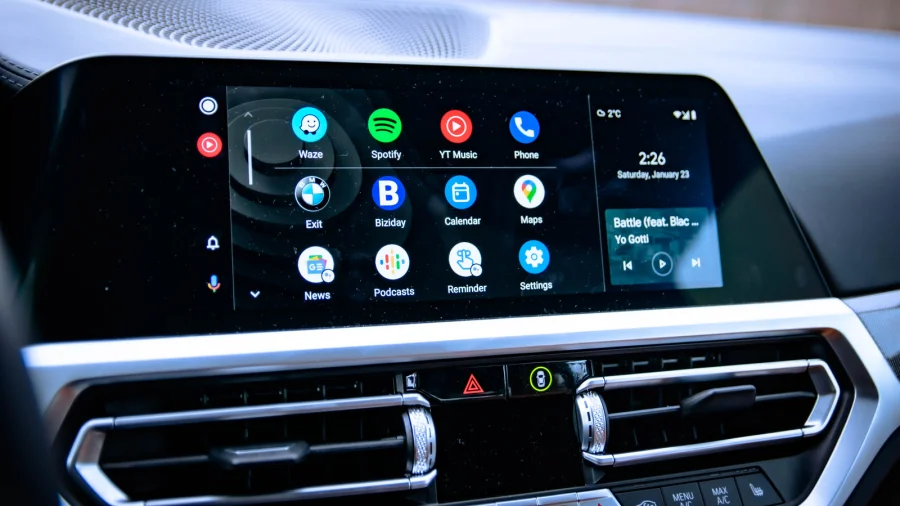
Your car's dashboard screen is showing you the same basic map and music controls every single day. But the Android Auto running behind that familiar interface is capable of far more than what you're currently seeing — and unlocking it takes only a few minutes of setup.
Why most drivers never see Android Auto's full potential
Android Auto is designed to work the moment you plug in or connect wirelessly. That convenience is exactly why so many people stop exploring. The system's default layout is clean and functional — but it hides several features that can genuinely improve how you navigate, communicate, and stay focused while driving.
According to the original story, Android Auto has several essential features enabled by default, but users may be surprised at how much it can really do. The gap between what the system offers and what most people actually use is significant.
The simple changes that make the biggest difference
Start with the basics: your notification settings. Android Auto lets you choose which apps can interrupt your drive. Silencing non-essential notifications — group chats, shopping alerts, news apps — reduces distraction without cutting off important calls or messages.
Next, look at the launcher layout. Android Auto allows you to customize which apps appear on the main screen. Removing apps you rarely use while driving and pinning your most-used navigation and media apps creates a cleaner, faster experience.
How a cleaner interface changes your driving experience
Every extra second spent glancing at a cluttered screen is a second your eyes are off the road. A customized Android Auto setup reduces cognitive load — you see what matters, when it matters. For daily commuters, this translates into a calmer, more focused drive.
The system's default settings work for everyone, but they work best for no one. Personalization is the point.
What Android Auto does well right out of the box
Google has built Android Auto around safety-first principles. The interface uses large touch targets, simplified menus, and voice-first interactions through Google Assistant. These defaults are intentional — they minimize the time your hands leave the wheel.
But the same safety philosophy extends to customization. Google allows you to tailor the experience because a setup that feels familiar and intuitive is one you'll interact with less hesitantly.
Where Android Auto still frustrates users
No system is perfect. Android Auto has faced criticism over wireless connection reliability, occasional lag on older phones, and the fact that some features remain unavailable in certain regions or on certain car models. These limitations are worth knowing before you invest time in customization.
If a feature doesn't appear in your settings, it may be tied to your phone model, your car's head unit, or your regional version of Android Auto — not a mistake on your part.
The bigger picture: why in-car software matters more than ever
Automakers are increasingly treating car software as a competitive battleground. Android Auto sits alongside Apple CarPlay as one of the two dominant phone-integration systems, and Google continues to push updates that add functionality without requiring new hardware.
For users, this means the gap between what your car can do and what your car actually does is often just a settings menu away.
Practical steps to improve your Android Auto setup today
Start with these actions: open Android Auto settings on your phone, review notification permissions, rearrange your app launcher, and check for any pending updates. Each change takes under a minute.
If you use Google Maps regularly, explore its display options within Android Auto — some users discover alternate route preferences and voice guidance settings they never knew existed.
What's next for Android Auto
Google continues to refine Android Auto with regular updates. The company has been testing new interfaces and expanding wireless support across more vehicles. Future updates may bring deeper customization options, but the current version already offers more than most drivers realize.
Our Take
Android Auto's biggest weakness isn't its feature set — it's the assumption that default settings are the only settings. Google has built a system that rewards a few minutes of exploration, and the payoff is a safer, more pleasant driving experience. The story here isn't about a dramatic new feature; it's about the quiet capability already sitting in your car.
Frequently Asked Questions
How do I customize the Android Auto app launcher?
Open Android Auto settings on your phone, select "Launcher," and you can add, remove, or reorder apps that appear on your car's display. Changes sync automatically the next time you connect.
Can I control which notifications appear on Android Auto?
Yes. In Android Auto settings, choose "Notifications" to manage which apps can send alerts while driving. You can block non-essential apps entirely or mute them individually.
Does Android Auto work wirelessly with any car?
No. Wireless Android Auto requires both a compatible phone and a car head unit that supports wireless projection. Many newer vehicles include it, but older models may require a USB cable.
Why is my Android Auto experience laggy or disconnecting?
Common causes include an outdated phone operating system, a low-quality USB cable, or Bluetooth interference. Update your phone, try a certified cable, and check if your car's head unit has a firmware update available.