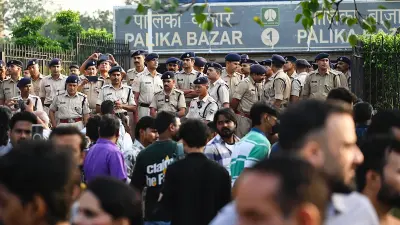
For over a week, residents of South Delhi's Gulmohar Park have been living with a growing fear — not of crime or traffic, but of the water flowing from their taps. What began as isolated complaints of foul-smelling water has now escalated into a full-blown health crisis, with families reporting diarrhoea, vomiting, and hospitalisations across several lanes of this upscale colony.
How the water contamination crisis unfolded in Gulmohar Park
The problem first emerged in parts of the colony more than a week ago, when residents noticed a change in the colour and odour of their piped water. Within days, cases of waterborne illnesses began surfacing. According to residents, the contamination has now spread across multiple lanes, despite ongoing repair and excavation work by the Delhi Jal Board (DJB). The colony, developed in the early 1970s, houses over 900 households.
Why this water crisis matters for Delhi residents
For the residents of Gulmohar Park, the crisis is not just an inconvenience — it is a direct threat to health. Reports indicate that every second household now has at least one member suffering from diarrhoea or other waterborne diseases. Families with young children and elderly members are particularly vulnerable. The situation has forced many to abandon piped water entirely, relying instead on DJB tankers, private water suppliers, and expensive packaged drinking water.
Timeline: From complaints to crisis in South Delhi colony
Initial complaints of contaminated water were filed with the DJB over a week ago. Residents reported a strong chemical smell and discolouration. Despite repeated calls and visits from local representatives, the problem did not subside. Instead, it worsened. Excavation work began in some areas, but residents say the repairs have not addressed the root cause. The contamination has now spread to lanes that were previously unaffected.
Who is affected and what it means for daily life
The impact is deeply personal. Families are spending extra money on bottled water, queuing for tankers, and caring for sick members. Working professionals are taking leave to manage household water needs. Children are missing school due to illness. The crisis has disrupted normal life in a colony known for its quiet, tree-lined streets and middle-class to upper-middle-class households.
What Delhi Jal Board and local authorities have said
DJB Vice-Chairman Satish Upadhyay, who is also the local MLA, has acknowledged the contamination. He pointed to possible sources: unauthorised temporary toilets set up near construction sites and an old pipeline that may have been compromised. However, residents say the response has been slow and inadequate. The DJB has deployed tankers, but many households report irregular supply and long waiting times.
Why the contamination spread despite repair work
Experts suggest that the problem may be linked to ageing infrastructure. Gulmohar Park's pipeline network, installed decades ago, may have developed leaks or cracks that allow sewage or groundwater to seep in. The ongoing excavation work, while intended to fix the issue, may have temporarily worsened the situation by disturbing old pipes. Without a complete assessment and replacement of damaged sections, the contamination could persist.
Confirmed facts vs what remains unclear
Confirmed: Water contamination has been reported across multiple lanes in Gulmohar Park. Residents have fallen ill with diarrhoea and other waterborne diseases. DJB has acknowledged the issue and cited possible causes. Repair work is ongoing.
Unclear: The exact source of contamination has not been definitively identified. The timeline for complete resolution is unknown. The full extent of illnesses across the colony has not been officially documented.
Risks and concerns: What residents and experts are worried about
Residents fear the crisis could last weeks or months if the root cause is not addressed. There are concerns about the safety of relying on tanker water, which may also be contaminated if not properly sourced. Health experts warn that prolonged exposure to contaminated water can lead to more serious illnesses, including typhoid and hepatitis A. The lack of a clear communication from authorities has added to the anxiety.
Wider pattern: Water contamination in Delhi's older colonies
Gulmohar Park is not an isolated case. Several older colonies in South and Central Delhi have faced similar water quality issues in recent years. Ageing pipelines, rapid construction, and inadequate maintenance have created a recurring problem. The Delhi Jal Board has announced multiple projects to upgrade infrastructure, but progress has been slow. This crisis highlights the gap between policy announcements and on-ground reality.
What residents should do now
Residents are advised to continue using only treated or packaged water for drinking and cooking until the DJB confirms the water is safe. Boiling tap water for at least 10 minutes can reduce the risk of infection. Anyone experiencing symptoms of diarrhoea, vomiting, or fever should seek medical attention immediately. Reporting persistent issues to the DJB helpline and local councillors can help escalate the matter.
What happens next in Gulmohar Park
The DJB has said that repair work will continue, but no specific deadline has been given for restoring safe water supply. Residents are likely to remain dependent on tankers and packaged water for the near future. The crisis may prompt a broader review of water infrastructure in similar colonies across Delhi. For now, the focus remains on containing the health impact and restoring trust in the water supply.
Our Take
The Gulmohar Park water contamination crisis is a stark reminder that even in India's capital, basic infrastructure can fail with serious consequences. While the DJB's response has been reactive, the real failure lies in the lack of preventive maintenance. For residents, the immediate priority is health and access to clean water. For authorities, the lesson is clear: ageing pipelines need systematic replacement, not patchwork repairs. This story matters because it affects real people — families, children, the elderly — and because it could happen in any colony with old infrastructure.
Frequently Asked Questions
What caused the water contamination in Gulmohar Park?
Authorities suspect contamination from unauthorised temporary toilets near construction sites and an old, compromised pipeline. The exact source has not been confirmed.
How many people have fallen ill due to the contaminated water?
Residents report that every second household has cases of diarrhoea or waterborne diseases. Official figures have not been released.
Is the water safe to drink now?
No. Residents have been advised to avoid using piped water for drinking or cooking until the DJB confirms it is safe. Boiling water for at least 10 minutes is recommended.
What is the Delhi Jal Board doing to fix the problem?
The DJB is carrying out repair and excavation work. Tankers have been deployed for emergency water supply. However, residents say the response has been slow and the problem persists.