In a move that could reshape how the world’s most powerful artificial intelligence systems are built and deployed, Illinois lawmakers have passed what experts are calling America’s strongest AI safety bill. The legislation, which now heads to Governor JB Pritzker’s desk with his promise to sign it, forces companies like OpenAI, Anthropic, and Google DeepMind to prove their models are safe before they can be released to the public.
This isn’t just another regulation. It’s a direct challenge to the “move fast and break things” culture that has defined the AI industry. For the first time, a US state is demanding independent, third-party verification of safety standards from the very labs racing to build artificial general intelligence.
What the Illinois AI Safety Bill Actually Requires
The bill, passed by the Illinois House of Representatives on Wednesday, targets what are known as “frontier AI models” — the most advanced and potentially dangerous systems being developed today. These are the models that could, if misused, cause widespread harm or even pose catastrophic risks.
Under the new law, companies developing these frontier models must:
- Hire independent third-party auditors to verify they are following established safety protocols.
- Demonstrate that their models do not pose “unreasonable risk” before deployment.
- Maintain transparency about their safety testing and risk mitigation efforts.
The requirement for third-party confirmation is the bill’s most powerful and controversial feature. It takes the responsibility of safety verification out of the hands of the companies themselves and places it with external experts who have no financial incentive to downplay risks.
Why This Matters Right Now
The timing of this bill is no accident. The AI industry is currently in a period of explosive growth, with companies pouring billions into developing ever more capable systems. But with that growth has come growing public anxiety about job displacement, misinformation, bias, and the potential for AI to be used in weapons or surveillance.
Illinois’s move sends a clear signal: the era of self-regulation is over. Lawmakers are no longer willing to trust that companies will police themselves, especially when the stakes are so high. For residents of Illinois, this means a layer of protection that doesn’t exist anywhere else in the country. For the rest of the world, it’s a potential blueprint for how to regulate one of the most transformative technologies of our time.
How the Bill Unfolded: From Proposal to Passage
The journey of this bill through the Illinois legislature was swift but intense. It began as a response to growing concerns from both tech experts and the public about the lack of oversight for advanced AI systems. The Senate voted overwhelmingly in favor of the measure in late May, setting the stage for the House vote.
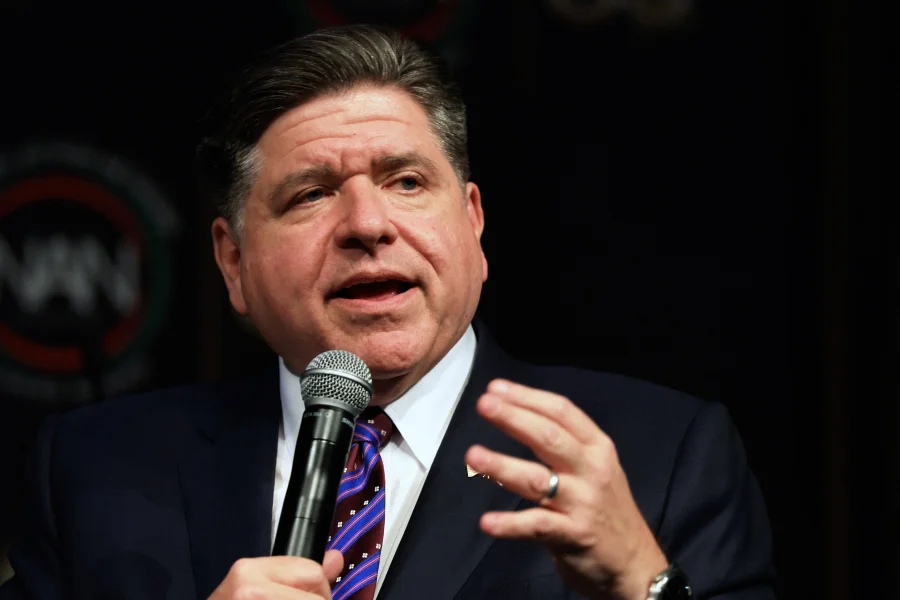
The final vote in the House was a bipartisan affair, with lawmakers from both sides of the aisle recognizing the need for action. Governor Pritzker, a Democrat who has made technology and innovation a cornerstone of his administration, quickly announced his support.
“This bill ensures that Illinois remains a leader in responsible innovation,” Pritzker said in a statement. “We welcome the benefits of AI, but we will not sacrifice safety for speed.”
Who Is Affected and What Companies Are Saying
The bill directly impacts the biggest names in AI: OpenAI, the creator of ChatGPT; Anthropic, the company behind the Claude model; and Google DeepMind, Alphabet’s advanced AI research lab. These are the companies building the most powerful models that could potentially be used for harm.
While none of the companies have issued formal statements on the Illinois bill specifically, the industry has been watching similar legislative efforts closely. In the past, tech giants have argued that overly strict regulation could stifle innovation and drive AI development to countries with weaker rules. However, the bipartisan support for this bill suggests that the political calculus may be shifting.
For smaller AI startups, the bill could create a compliance burden that favors larger, well-funded companies. Critics worry this could concentrate power even further in the hands of a few dominant players.
What We Know So Far — and What Remains Unclear
Here’s what is confirmed:
- The Illinois House passed the AI safety bill on Wednesday, May 27, 2026.
- Governor JB Pritzker has said he will sign the bill into law.
- The law requires third-party safety audits for frontier AI models.
- It applies to companies like OpenAI, Anthropic, and Google DeepMind.
What remains unclear:
- The exact definition of “frontier AI model” and which models will be subject to the law.
- How the third-party audit process will be structured and who will qualify as an auditor.
- The timeline for implementation after the governor signs the bill.
- How the law will be enforced and what penalties companies could face for non-compliance.
Risks, Concerns, and the Balanced View
While the bill is being hailed as a victory for safety advocates, it is not without its critics. Some tech industry voices argue that the law could slow down AI development in Illinois, pushing companies to relocate to states with more lenient regulations. Others worry that the third-party audit requirement could be gamed or that auditors may lack the expertise to evaluate the most advanced systems.
There is also the question of federal preemption. If the US Congress eventually passes a national AI law, it could override state-level regulations like Illinois’s. For now, however, Illinois is setting the pace.
On the other side, consumer advocacy groups and AI safety researchers are celebrating the bill as a necessary first step. They argue that the potential risks of unregulated AI — from automated disinformation campaigns to catastrophic accidents — are too great to leave to voluntary industry standards.
Why Similar Trends Are Growing Across the US
Illinois is not alone in its push for AI regulation. Several other states, including California, New York, and Colorado, have introduced or passed their own AI safety bills. The federal government has also been active, with the White House issuing an executive order on AI safety and Congress holding multiple hearings on the topic.
What makes Illinois’s bill stand out is its focus on third-party verification. While other states have focused on transparency or bias testing, Illinois is the first to demand independent safety audits for the most powerful models. This could set a precedent that other states — and even the federal government — may follow.
“This is the strongest AI safety bill in the country, and it’s a model for what other states should be doing.” — AI safety advocate, as quoted in multiple reports.
What Readers, Users, and Investors Should Know Now
If you live in Illinois, this law means that the AI tools you use will have undergone a higher level of scrutiny than those available in other states. For businesses, it means that any AI system you deploy will need to meet these new safety standards.
For investors, the bill introduces a new layer of regulatory risk for AI companies. Compliance costs could rise, and the timeline for releasing new models could lengthen. However, companies that can demonstrate a strong commitment to safety may gain a competitive advantage.
For everyone else, this bill is a reminder that the debate over AI regulation is not going away. It is happening now, at the state level, and it will shape the future of the technology we all use.
What Could Happen Next
Once Governor Pritzker signs the bill, the real work begins. The state will need to establish a regulatory framework for the third-party audit process, define the specific safety standards that companies must meet, and set up enforcement mechanisms.
Legal challenges are almost certain. Tech industry groups may argue that the law is too vague or that it violates interstate commerce rules. The outcome of those challenges could determine whether Illinois’s approach becomes a national model or a cautionary tale.
In the meantime, other states are watching closely. If Illinois’s law proves effective, it could trigger a wave of similar legislation across the country, creating a patchwork of state-level AI regulations that companies will have to navigate.
Our Take: Why This Story Matters Beyond One Incident
This is not just a story about a bill in Illinois. It is a story about the growing tension between innovation and safety in the age of AI. For years, the tech industry has operated with minimal oversight, arguing that regulation would stifle progress. But as AI systems become more powerful and more integrated into our daily lives, that argument is losing its power.
Illinois’s bill represents a fundamental shift in the relationship between the public, the government, and the tech industry. It says that safety is not optional. It says that the companies building the most powerful tools in human history must be held accountable to independent standards. And it says that the people, through their elected representatives, have a say in how that technology is developed.
Whether this bill succeeds or fails, it has already changed the conversation. The question is no longer whether AI should be regulated. The question is how, and who gets to decide.
FAQs
What is the Illinois AI safety bill?
The Illinois AI safety bill is a new law that requires companies developing powerful AI models to have independent third-party auditors verify that they are following safety standards before deploying their systems. It is considered the strongest AI safety legislation in the United States.
Which companies are affected by the Illinois AI law?
The law targets frontier AI labs, including OpenAI, Anthropic, and Google DeepMind. These are the companies building the most advanced and potentially dangerous AI models. Smaller AI startups may also be affected if they develop models that meet the law’s definition of “frontier.”
When will the Illinois AI safety bill take effect?
Governor JB Pritzker has said he will sign the bill into law. The exact timeline for implementation is not yet clear, but the state will need to establish a regulatory framework for the third-party audit process before the law can be fully enforced.
How does this bill compare to other AI regulations in the US?
This bill is unique because it requires independent third-party safety audits for the most powerful AI models. Other states have focused on transparency, bias testing, or voluntary guidelines. Illinois’s approach is the most aggressive and could serve as a model for federal legislation.