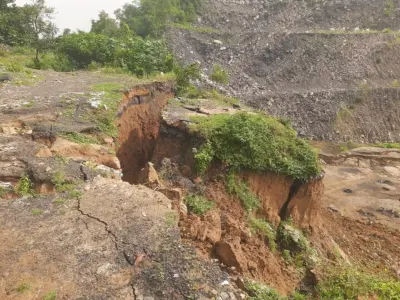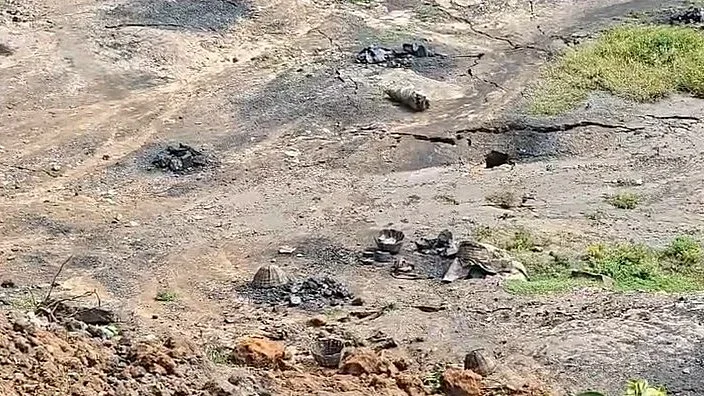
The morning routine of illegal coal picking turned into a nightmare in Dhanbad on Sunday. Three people are dead, and several others remain buried under tonnes of earth after an unauthorised coal mine tunnel caved in at Keshalpur Kumharpatti, under the Ramkanali OP area of Katras.
The collapse happened around 7 am when a group of men and women had entered the tunnel to cut and collect coal — a dangerous but common practice in Jharkhand's coal belt. The upper section of the tunnel gave way without warning, trapping them under debris.
A Morning of Work That Turned Into a Fight for Survival
Vimalesh Chaubey, regional president of the National Colliery Mazdoor Union, described the scene with grim clarity. "Some men and women had gone into the illegal tunnel to cut and pick coal. The upper part of the tunnel suddenly collapsed, burying several people under the debris," he said.
Those who escaped or witnessed the collapse raised an alarm, triggering a frantic rescue effort by local volunteers and authorities. But the weather has turned against them.
Rain Compounds the Crisis at Dhanbad Collapse Site
Steady rainfall has made the already treacherous operation harder. Wet earth and slippery debris have slowed digging, raising fears that the window to reach survivors alive is narrowing. Rescue teams are working cautiously to avoid triggering further collapses.
Officials have not yet confirmed the exact number of people still trapped. The labour union leader said "several" were feared buried, but the figure remains unverified as rescue work continues.
Why Illegal Coal Mining Keeps Claiming Lives in Jharkhand
Dhanbad, often called India's coal capital, sits atop some of the country's richest coal reserves. But the same geology that fuels power plants and steel mills also draws impoverished locals into abandoned or illegal mines — often at the cost of their lives.
These unauthorised tunnels are typically shallow, unregulated, and unsupported. They collapse easily, especially during or after rain when the soil loosens. For many families in the region, the daily wage from selling picked coal outweighs the risk — until tragedy strikes.
The Human Cost Behind the Headlines
Behind the official numbers are families who depend on coal picking for survival. The men and women who entered that tunnel on Sunday morning were not employees of any mining company. They were informal workers, often from nearby villages, trying to earn a living from a resource that lies beneath their feet but rarely enriches them.
For their families, the wait outside the collapse site is agonising — each passing hour without news deepening the dread.
Union Leader Confirms Incident as Rescue Continues
The National Colliery Mazdoor Union, which represents colliery workers in the region, has been vocal about the dangers of illegal mining. Chaubey's statement confirms the basic facts of the incident but also highlights a persistent problem: the lack of safe, formal employment that pushes people into illegal pits.
Authorities have not yet issued a detailed statement on the cause of the collapse or the number of missing. Rescue operations remain the immediate priority.
What We Know and What Remains Unclear
Confirmed: The collapse occurred around 7 am Sunday at Keshalpur Kumharpatti, Ramkanali OP area, Katras. Three people are dead. Several others are feared trapped. Rain is affecting search operations.
Unclear: The exact number of people still missing. The identities of the victims. Whether any survivors have been contacted. The depth and condition of the tunnel. Whether any regulatory action had been taken against illegal mining at this site previously.
Speculation about the total death toll should be avoided until official confirmation.
The Broader Pattern of Illegal Mining Tragedies
This is not an isolated incident. Illegal coal mining accidents occur with grim regularity across Jharkhand, West Bengal, and other coal-rich states. In many cases, abandoned mines owned by public sector undertakings or private companies become de facto illegal operations, with locals digging deeper for leftover coal.
Each tragedy raises the same uncomfortable questions: Who owns the land? Why wasn't the illegal activity stopped? And what alternatives exist for the people who risk their lives in these pits?
What Happens Next
Rescue teams will continue their search through the night if necessary, weather permitting. The district administration is expected to release an official statement once more information is available. The focus will remain on saving lives before any inquiry into responsibility begins.
For now, the priority is the debris. And the people still beneath it.
Our Take
Dhanbad's illegal coal mines are a symptom of a deeper failure — the gap between India's energy wealth and the poverty of those who live atop it. Every collapse is a reminder that regulation alone cannot solve the problem when survival leaves no choice. The rescue effort today is heroic, but the real solution lies in preventing the next tunnel from being dug at all.
Frequently Asked Questions
Where exactly did the Dhanbad coal mine collapse happen?
The collapse occurred at Keshalpur Kumharpatti, under the Ramkanali OP area of Katras in Dhanbad district, Jharkhand. The incident took place around 7 am on Sunday.
How many people have died in the Dhanbad mine collapse?
Three people have been confirmed dead, according to labour union leader Vimalesh Chaubey. Several others are feared trapped, but the exact number of missing has not been officially confirmed.
Why is the rescue operation being delayed?
Rainfall at the site has made the debris wet and unstable, slowing down digging efforts. Rescue teams are working cautiously to avoid causing further collapses.
What is illegal coal mining and why does it happen in Dhanbad?
Illegal coal mining refers to the unauthorised extraction of coal from abandoned or unregulated tunnels. It happens in Dhanbad because many local families depend on coal picking for daily income, and formal employment opportunities are limited.