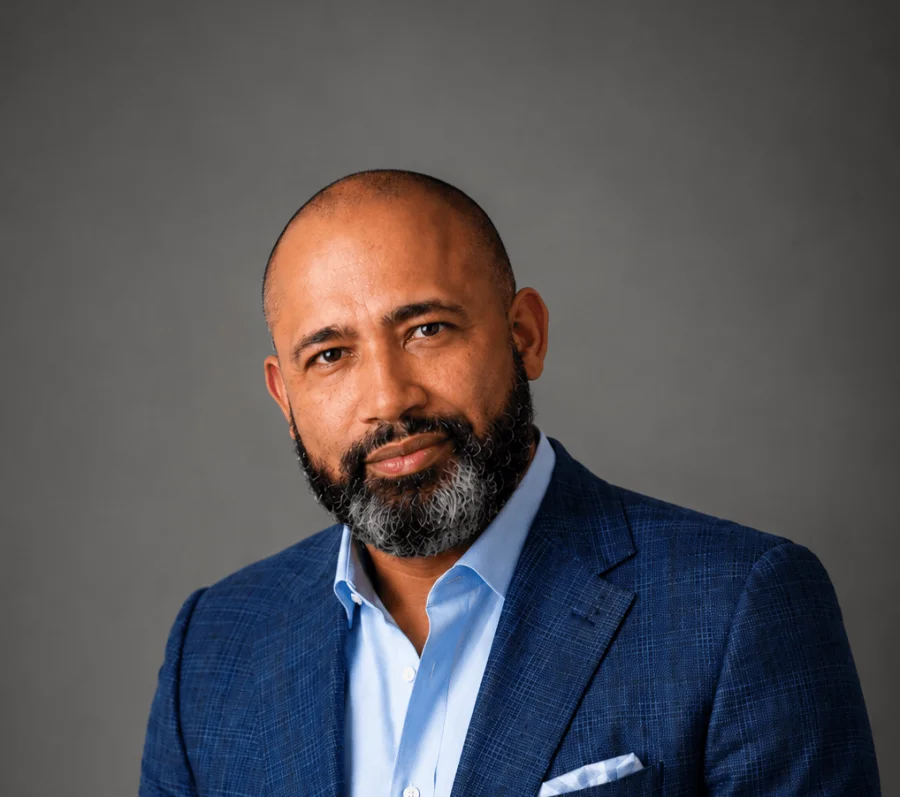
The man who once told founders their companies were no longer theirs is now building something very different. After helping turn a California bank into one of America's fastest-growing, he's launching a company for the people the banking system left behind. It's a pivot that says more about the state of American finance than any earnings report.
From Dotcom Boom to Debt Collection in London
His career began in investment banking during the dotcom era — a time of spectacular highs and brutal crashes. When the bubble burst, he moved into private equity at a multibillion-dollar fund. The work was lucrative. It was also, by his own account, deeply damaging.
Stationed in London in 2000, he handled debt-to-equity conversions of high-yield bonds for telecom companies. In plain terms: he told founders and shareholders their ownership had collapsed to 1%, handed them new option plans, and informed them that his debt now controlled the rest. Then came the next task — firing a third of their employees.
The Human Toll of High Finance
The work matured him quickly — too quickly, he admits. Three years in, he looked up and realized he weighed 250 pounds, hadn't seen his family in months, and had become the person delivering the worst news of people's lives. The experience left a mark that no bonus could erase.
It also gave him a rare vantage point: he saw finance from the inside, understood how it allocates capital, and witnessed who gets left out when the system prioritizes returns over people.
Building a California Banking Success Story
Later, he helped build a California bank into one of America's fastest-growing institutions. That success proved he could win within the system. But the earlier scars never fully healed — and they now point him in a different direction.
His new venture is aimed squarely at the people banking has failed: those with thin credit files, unpredictable incomes, or simply the wrong zip code. For millions of Americans, traditional banks remain unwelcoming, expensive, or outright inaccessible.
Why This Matters for Everyday Customers
This isn't just a career change. It's a signal. When someone who has profited from the system's flaws decides to fix them, it validates what many customers have felt for years: the banking industry has prioritized shareholders over account holders.
For the underbanked — roughly 5.9 million U.S. households — the stakes are high. They pay more for basic financial services, lack access to credit, and are often pushed toward predatory alternatives. A company built by someone who understands the mechanics of finance could offer a genuine alternative.
What the New Company Could Look Like
Details remain limited. The founder has not yet disclosed specific products, launch dates, or funding. What is clear is the mission: serve people, not just capital.
That could mean fairer lending, transparent fees, or technology that meets customers where they are. The financial industry has seen a wave of fintech challengers, but few are led by someone with his insider experience.
Confirmed Facts vs What Remains Unclear
Confirmed: He worked in investment banking during the dotcom era, moved into private equity, handled debt-to-equity conversions in London, and later helped build a fast-growing California bank.
Unclear: The name of the bank, the new company's name, its products, funding, and launch timeline. These details have not been publicly disclosed.
Speculation: The new venture's exact business model is unknown. It could be a fintech, a community bank, or a non-profit — nothing is confirmed.
Why His Insider Experience Matters
Most attempts to reform banking come from outsiders. This founder brings something different: deep knowledge of how capital markets work, how banks make money, and where they fail customers.
That combination — insider expertise plus a mission to serve the excluded — is rare. It could give his new company a credibility that many challengers lack.
The Risks and the Hard Questions
Building a company that serves the underserved is not easy. Margins are thinner, regulatory burdens are heavier, and the customers he wants to serve are often the most expensive to reach.
There's also the question of whether a former private equity professional can truly break from the profit-first mindset. Critics may ask: is this genuine reform, or a new way to monetize the excluded? Only time — and the company's actual practices — will answer that.
A Wider Shift in American Finance
His move reflects a broader trend. Across the U.S., former finance insiders are questioning the industry's assumptions. From community development financial institutions to mission-driven fintechs, there's growing recognition that banking must serve everyone, not just the wealthy.
The pandemic, inflation, and rising fees have made financial exclusion harder to ignore. Americans are demanding more from their banks — and some are building the alternatives themselves.
What Should Customers and Observers Do Now
For those who feel failed by traditional banking, this development is worth watching. Follow the company's launch, scrutinize its fee structures, and compare its offerings against existing options.
For industry observers, the key question is whether this venture can balance mission and margin. If it succeeds, it could become a model for others. If it fails, it will highlight just how hard reform really is.
What Happens Next
The coming months will reveal more: the company's name, its products, and whether it can attract the funding needed to scale. The founder's track record suggests he knows how to build — the question is whether he can build differently.
For millions of Americans, the hope is that he can. The banking system has failed them for too long, and a credible insider offering an alternative is a rare and valuable thing.
Our Take
This story matters because it represents a genuine shift in perspective. It's easy to criticize banking from the outside; it's harder to walk away from its rewards and build something better. This founder has done both.
His journey — from delivering bad news in London to building a successful California bank — gives him a credibility that most fintech founders lack. Whether he can translate that into a company that truly serves the underserved remains to be seen. But the intent, at least, is a step in the right direction.
Frequently Asked Questions
Who is the former banker building a company for the unbanked?
He is a finance veteran who worked in investment banking during the dotcom era, moved into private equity, and later helped build one of America's fastest-growing California banks. His identity and the new company's name have not been publicly disclosed.
Why did he leave traditional banking?
His experience in London doing debt-to-equity conversions left him deeply affected. He saw how finance prioritizes capital over people and watched his own health deteriorate. That experience now drives his mission to serve those banking has failed.
What kind of company is he building?
Specific details are not yet public. The company is intended to serve people excluded or exploited by traditional banking, but its exact business model, products, and launch timeline remain undisclosed.
How many Americans are affected by banking exclusion?
Roughly 5.9 million U.S. households are underbanked, meaning they have bank accounts but rely on alternative financial services. Millions more are unbanked entirely, often paying more for basic financial services.