Hyundai Motor Company has pushed back against reports that its ambitious plan to deploy humanoid robots by 2028 is fueling a labor strike at its massive South Korean plant. The company insists the issue is not on the negotiating table.
What Hyundai says about the robot-strike link
In a statement shared with Ars Technica, Hyundai clarified that “potential deployment of robots in Korean production facilities is not part of the current labor-management discussions.” The company says the union’s demands are strictly about compensation — wage hikes, bonuses, and extending the retirement age.
Why the confusion matters for workers and investors
The denial is significant because automation fears often trigger strong reactions from labor unions worldwide. If the strike were truly about robots, it would signal deeper anxiety about job security in an industry racing toward AI and robotics. Hyundai’s clarification suggests the current walkout is a traditional wage dispute, not a battle over the future of work — at least for now.
What the union is actually demanding
According to Hyundai, the partial strikes at its Ulsan plant — the world’s largest automotive factory — are centered on bread-and-butter issues. Workers are seeking higher base wages, better performance bonuses, and an extension of the retirement age. These are classic labor demands in South Korea’s manufacturing sector, where unions have historically wielded significant bargaining power.
Who is affected by the strike
The walkout affects production at Hyundai’s flagship facility, which churns out millions of vehicles annually. Any disruption could ripple through global supply chains, potentially delaying deliveries of popular models like the Hyundai Ioniq 6 and Tucson. For South Korean workers, the outcome of these talks could set a precedent for wage negotiations across the auto industry.
Hyundai’s official response to the reports
The company’s statement directly disputes news reports that linked the strike to its humanoid robot ambitions. “Hyundai Motor’s plan to put humanoid robots to work by 2028 is not part of current negotiations with striking South Korean autoworkers,” the company said. The statement did not name the specific reports it was correcting.
Why the robot plan still matters
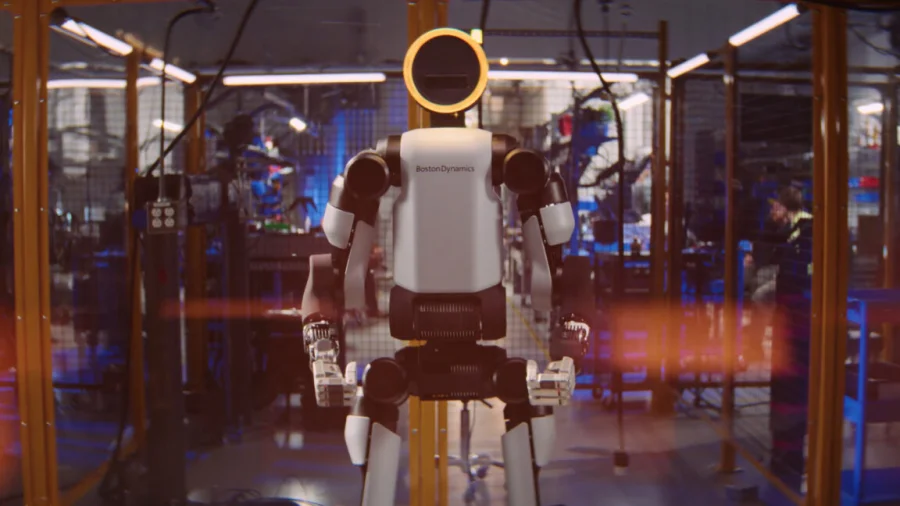
Hyundai’s humanoid robot initiative, announced earlier this year, targets deployment in US facilities starting in 2028. The robots are designed for manufacturing tasks, potentially reducing reliance on human labor over time. While not a factor in today’s strike, the plan remains a long-term concern for unions worried about automation eroding jobs.
Confirmed facts vs what remains unclear
Confirmed: Hyundai denies robot plans are part of strike talks. Union demands are about wages, bonuses, and retirement age. Partial strikes are ongoing at the Ulsan plant. Unclear: Whether union members have privately raised robot concerns outside formal negotiations. The exact duration or escalation of the strike. How the robot plan might affect future labor talks.
Risks and balanced view
While Hyundai’s denial is clear, some analysts caution that automation fears rarely disappear entirely. Unions may raise the issue later, especially if the company accelerates robot deployment. On the other hand, Hyundai’s statement could be an attempt to contain a narrative that might strengthen the union’s bargaining position. The truth likely lies somewhere between — a traditional wage dispute that could evolve as technology advances.
Wider trend: automation and labor tension
Hyundai’s situation mirrors a global pattern. From Amazon warehouses to German auto plants, the introduction of robots and AI is increasingly clashing with labor demands for job security. South Korea, with its highly unionized manufacturing sector and rapid tech adoption, is a bellwether for how these tensions play out.
What workers and investors should watch
For workers: monitor whether the union’s next round of demands includes automation safeguards. For investors: watch for any production delays from the strike and any future labor clauses related to robot deployment. For now, the focus remains on wages — but the robot question is unlikely to stay dormant forever.
Future outlook
The current strike is likely to be resolved through wage negotiations in the coming weeks. However, Hyundai’s 2028 humanoid robot target means the company and its union will eventually have to address automation head-on. If other automakers follow suit, South Korea could become a testing ground for how labor and robotics coexist.
Our Take
Hyundai’s denial is a useful corrective to a tempting but misleading narrative. It’s easy to assume every strike in the age of AI is about robots, but this one appears to be a classic fight over pay and retirement. That said, the company’s robot ambitions are real, and unions are watching. The real story may not be today’s strike, but the one that hasn’t happened yet — when the robots actually arrive.
Frequently Asked Questions
Are Hyundai workers striking because of humanoid robots?
No. Hyundai says the union’s demands are about wage increases, bonuses, and retirement age extension. The company denies that its humanoid robot plan is part of current negotiations.
When does Hyundai plan to deploy humanoid robots?
Hyundai aims to deploy humanoid robots in US manufacturing facilities starting in 2028. The plan is not currently linked to labor talks in South Korea.
What is the Hyundai union striking for?
The union is demanding higher base wages, better performance bonuses, and an extension of the retirement age for workers at Hyundai’s Ulsan plant.
Could robots become a union issue later?
Yes. While not part of current talks, automation and job security are long-term concerns for unions globally. Future negotiations may include robot-related clauses.