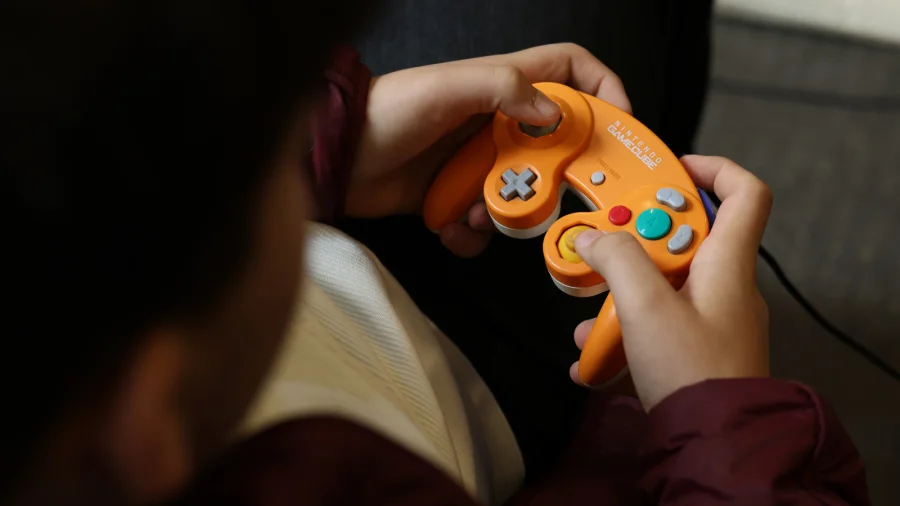
The Nintendo GameCube was never meant to run a desktop operating system. It was built for Mario, Zelda, and a disc format that looked like a mini DVD. Yet, a group of enterprising modders has done the unthinkable: they installed Windows NT on the 25-year-old console, turning a relic of gaming history into an unlikely piece of computing nostalgia.
How Did Modders Get Windows NT on a GameCube?
The process is not a simple plug-and-play affair. The GameCube uses a PowerPC-based CPU, a custom GPU, and a proprietary disc drive—none of which are designed to interface with Microsoft’s aging enterprise operating system. Modders had to work around these hardware barriers, likely using custom firmware or a modified boot process to load the OS.
Reports suggest the installation is a technical proof-of-concept rather than a smooth daily driver. The OS runs, but it is unclear how stable or functional it is under the console’s limited memory and storage constraints.
Why Would Anyone Put Windows NT on a GameCube?
For the modding community, the answer is simple: because they can. Retro tech enthusiasts often find new purpose for old hardware that’s collecting dust. This project transforms a forgotten console into a conversation piece, demonstrating that even obsolete technology can still surprise us.
It also serves as a tribute to an era when Windows NT was a serious enterprise tool, and the GameCube was a beloved gaming machine. Combining the two creates a bizarre but fascinating hybrid that appeals to both tech historians and gaming fans.
A Look Back at the GameCube’s Hardware Legacy
Released in 2001, the GameCube was Nintendo’s fourth home console. It was known for its compact design, robust build quality, and a library of iconic titles. Under the hood, it featured a 485 MHz PowerPC processor and 43 MB of total memory—specs that were impressive for gaming but laughably small for a desktop OS.
This modding achievement highlights just how far hardware has come. What was once a cutting-edge gaming machine is now a curiosity that can barely run a two-decade-old operating system.
What This Means for Retro Tech Enthusiasts
For collectors and hobbyists, this project is a reminder that old hardware still has value beyond nostalgia. It opens the door for more creative experiments, from running other lightweight OSes to repurposing consoles for niche tasks.
The mod also sparks conversation about the lifecycle of technology. Instead of letting old devices gather dust, enthusiasts are finding ways to keep them relevant, even if only as a technical challenge.
No Official Word from Nintendo or Microsoft
Neither Nintendo nor Microsoft has issued a statement about the mod. This is unsurprising, as unofficial hardware modifications typically fall outside the scope of official support. The project exists purely in the realm of community-driven experimentation.
For now, the modders behind the project have not released a detailed guide, leaving many in the community curious about the exact steps involved.
The Technical Feat Behind the Headlines
Installing Windows NT on a GameCube is not just about loading an OS—it’s about overcoming architectural mismatches. The console’s lack of a standard BIOS, its proprietary memory card slots, and its unusual disc format all pose significant hurdles. The fact that modders managed to get the OS to boot at all is a testament to their skill and persistence.
This is not the first time modders have pushed hardware to its limits, but it is one of the more unusual pairings. The juxtaposition of a corporate OS and a playful gaming console makes for a compelling story.
Confirmed Facts vs What Remains Unclear
What is confirmed: Modders have successfully installed Windows NT on a Nintendo GameCube, and the OS is running on the console. What remains unclear: the exact method used, the stability of the installation, and whether the modders will release a public guide.
Speculation about future updates or broader compatibility is unverified at this stage.
Why the GameCube’s Design Makes This So Hard
The GameCube’s hardware was optimized for gaming, not general computing. Its PowerPC architecture is fundamentally different from the x86 architecture that Windows NT typically targets. This means the OS must be ported or emulated, a process that requires deep technical knowledge and significant troubleshooting.
Additionally, the console’s limited RAM and lack of a hard drive mean that storage and memory management are major challenges. The modders likely had to make creative compromises to get the OS to function at all.
Risks and Balanced View of the Mod
While the achievement is impressive, it is not without limitations. The GameCube’s hardware is not suited for running a full desktop OS, so performance is likely poor. The mod may also risk damaging the console if not done carefully.
Critics might argue that the project has little practical value, but supporters see it as a celebration of technical ingenuity. The balance between novelty and utility is a common debate in the modding community.
A Wider Trend of Breathing New Life into Old Tech
This mod is part of a broader movement where enthusiasts repurpose outdated hardware. From turning old routers into network firewalls to using vintage consoles as media players, the trend reflects a desire to reduce electronic waste and honor the craftsmanship of earlier technology.
Projects like this also inspire younger generations to explore hardware and software at a deeper level, keeping the spirit of experimentation alive.
What Should Retro Tech Fans Do Now?
If you own a GameCube and are curious about modding, start with simpler projects like installing custom firmware or using the console for homebrew applications. Attempting to run Windows NT requires advanced skills and carries a risk of bricking the device.
For those who prefer to admire from afar, follow modding forums and communities to see if the team behind this project releases more details or a tutorial.
What Could Happen Next?
The modding community may build on this achievement, potentially finding ways to improve performance or expand compatibility. There is also a chance that the team will release a video or documentation explaining their process, which could inspire others to attempt similar feats.
Until then, the Windows NT GameCube remains a fascinating outlier—a console that defied its purpose and ran software it was never meant to see.
Our Take
This story is less about the practicality of running Windows NT on a GameCube and more about the spirit of innovation. It reminds us that technology is not just a tool but a canvas for creativity. The modders behind this project have turned a forgotten console into a symbol of what’s possible when curiosity meets skill.
It also raises a question: if a 25-year-old gaming console can run a desktop OS, what else are we underestimating? The answer, it seems, is only limited by our imagination.
Frequently Asked Questions
Can a Nintendo GameCube actually run Windows NT?
Yes, modders have successfully installed Windows NT on a GameCube, though it is a proof-of-concept with likely limited performance and stability.
Why would someone install Windows NT on a GameCube?
It is a technical challenge and a way to repurpose old hardware, showcasing the ingenuity of the modding community.
Is it safe to install Windows NT on a GameCube?
The process carries risks, including potential damage to the console if not done correctly. It is not recommended for beginners.
Will Nintendo or Microsoft support this mod?
No, this is an unofficial modification, and neither company has commented on or endorsed the project.