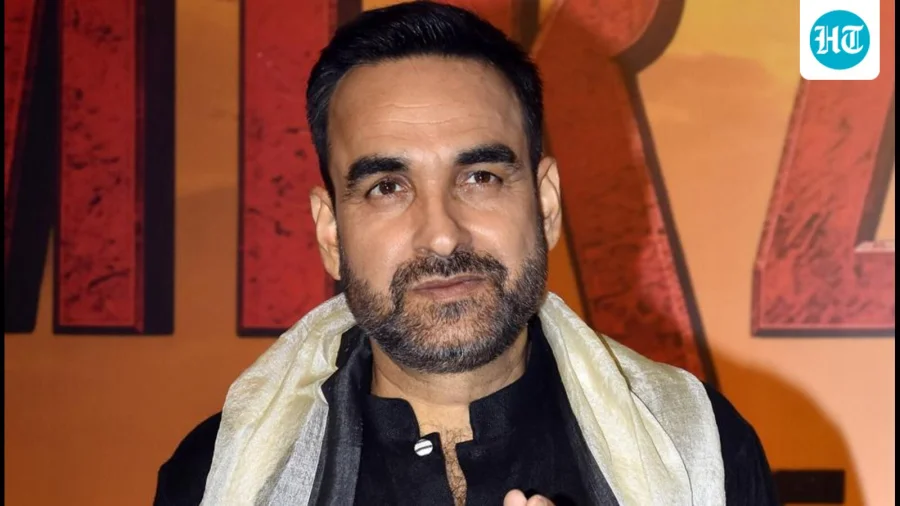
Nine years is a long time in Indian cinema — long enough for streaming to rewrite how the country watches films, and long enough for the debate over who decides what gets certified to grow louder. That wait ended this week, with the government reconstituting the Central Board of Film Certification and bringing two of Hindi cinema's better-known faces onto the panel.
Preity Zinta and Pankaj Tripathi are among the new members. Several names from the previous board, including Waman Kendre and Ramesh Patange, have been retained — a detail that matters as much as the fresh appointments.
What the CBFC Actually Does — and Why Its Board Composition Matters
The Central Board of Film Certification is the statutory body under the Ministry of Information and Broadcasting that certifies films, trailers, and promotional content for public exhibition in India. Its ratings — U, U/A, A, S — decide who can watch what, and its cuts and disclaimers shape what audiences finally see on screen.
Because of that, who sits on the board is never a purely administrative question. It is a cultural one.
Why a Nine-Year Gap Is Unusual
Boards are typically reconstituted on a defined cycle. A gap of nearly a decade suggests the previous formation continued well beyond its usual window, which is why this week's notification carries more weight than a routine reshuffle.
The reconstitution signals that the government is now refreshing the panel — but the retention of Kendre and Patange indicates it is not a clean sweep.
Preity Zinta and Pankaj Tripathi: What Their Presence Brings
Both are working actors with long, visible careers. Zinta's filmography spans mainstream Hindi cinema across decades; Tripathi has become one of the most recognisable character actors in the country, with a following that cuts across regions and languages.
Their inclusion places practitioners — not just administrators — inside the certification process. Whether that changes outcomes is a separate question, but it changes the room.
Continuity Alongside Change: Reading the Retentions
Retaining Waman Kendre, a theatre veteran, and Ramesh Patange suggests the government wants institutional memory to carry over. New faces bring fresh perspective; retained members bring process knowledge.
For filmmakers navigating certification, that mix can matter more than any single appointment.
Confirmed Facts vs What Remains Unclear
Confirmed: The CBFC has been reconstituted after nine years. Preity Zinta and Pankaj Tripathi are on the new board. Waman Kendre and Ramesh Patange, among others, have been retained.
Unclear: The full list of new and continuing members, the tenure of the reconstituted board, and whether any structural or procedural changes to certification are planned. No official statement has detailed these points in the available information.
Risks and the Balanced View
Reconstitutions of this kind invite two kinds of reactions. One view holds that bringing working actors onto the board makes certification more attuned to creative realities. Another view argues that board composition alone does not address long-standing concerns about transparency, appeal timelines, or inconsistent rulings.
Both readings can be true at once. A new board is a starting point, not a verdict.
The Wider Pattern: Certification Under Scrutiny
Across the past decade, CBFC decisions have repeatedly become public flashpoints — over cuts, disclaimers, and delays. Streaming platforms, meanwhile, operate under a separate self-regulatory framework, which has widened the gap between how theatrical and digital content are treated.
Any reconstitution now sits inside that larger conversation.
What This Means for Filmmakers and Audiences
For producers and directors, the practical question is whether the new board moves faster and more predictably on pending applications. For audiences, the question is whether certification decisions feel more consistent across languages and genres.
Neither can be answered on day one. Both will be watched closely.
Future Outlook
The reconstituted board is expected to begin handling certification matters in the coming weeks. If the government follows up with a formal notification listing all members and their terms, that will clarify the scale of the change. Until then, the safest reading is: a reset has begun, with continuity built in.
Our Take
Nine years without a full reconstitution is itself the story. The appointments of Preity Zinta and Pankaj Tripathi will draw headlines, and the retentions will draw scrutiny — but the real test is whether a refreshed board translates into clearer, faster, more defensible certification. That is what the industry will judge it on.
Frequently Asked Questions
What is the CBFC?
The Central Board of Film Certification is the statutory body under India's Ministry of Information and Broadcasting that certifies films, trailers, and promotional content for public exhibition. It assigns ratings such as U, U/A, A, and S.
Who are the new members of the reconstituted CBFC?
Actor Preity Zinta and actor Pankaj Tripathi are among the newly appointed members. Several previous members, including Waman Kendre and Ramesh Patange, have been retained.
Why is this reconstitution significant?
It comes after a gap of about nine years since the last full board formation, making it a substantial refresh of the panel that decides film certification in India.
Will this change how films are certified?
That is not yet clear. Board composition has changed, but no procedural or policy changes have been detailed in the available information. Any practical impact will become visible as the new board handles pending and future applications.