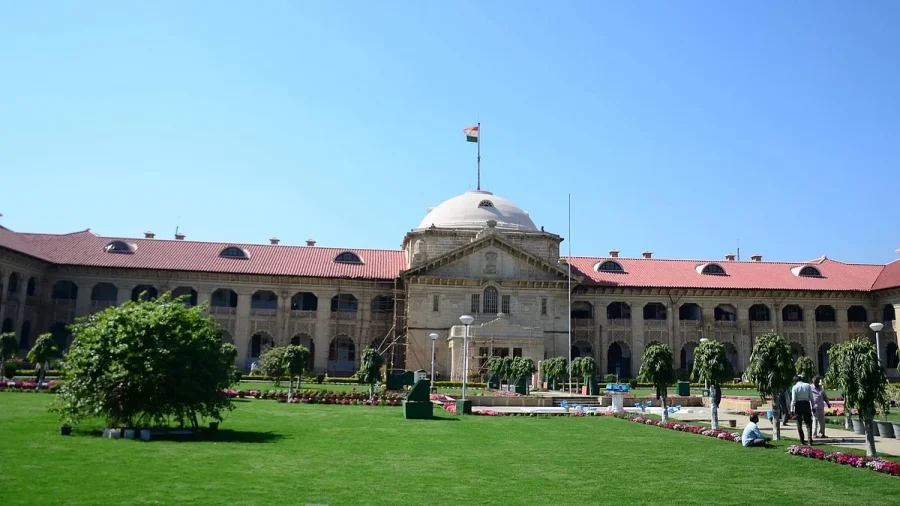
The Allahabad High Court has delivered a sharp rebuke to Uttar Pradesh's bureaucracy, calling the state's Goondas Act a "tool of oppression" and warning officials that they could personally pay the price for illegal orders. The court quashed proceedings against Abhishek Tyagi, awarded him ₹50,000 in damages, and said bureaucrats could face punitive damages recoverable from their salaries.
A Three-Year Gap Is Not Habitual Offending, Court Rules
The bench found that a three-year gap between two criminal cases against Tyagi did not establish that he was a habitual offender — the legal threshold required to invoke the Goondas Act. The court held that the proceedings against him were arbitrary and without basis.
Why This Ruling Matters Beyond One Petitioner
The Goondas Act allows authorities to detain individuals deemed a threat to public order without a standard criminal trial. In Uttar Pradesh, it has been used — and challenged — repeatedly. This ruling signals that courts are losing patience with its routine misuse.
Repeated Warnings, Little Change: The Court's Frustration
The judgment noted that despite multiple rulings against arbitrary Goondas Act proceedings, officials have continued to issue them. That pattern, the court suggested, is why it moved from criticism to financial consequences.
Who Pays When the State Gets It Wrong?
For ordinary citizens caught in Goondas Act proceedings, the cost is detention, legal fees, and reputational damage. The court's decision to award damages — and to warn officials of personal liability — shifts part of that cost back onto the state machinery.
What the Court Said About Bureaucratic Accountability
The warning was explicit: officials who issue illegal orders under the Act could face punitive damages recoverable from their salaries. It is a rare instance of the judiciary threatening direct financial accountability for bureaucratic overreach.
The Legal Test the Court Applied
To classify someone as a "goonda" under the Act, authorities must show a pattern of habitual criminal activity. The court found that two cases separated by three years did not meet that test, and that the proceedings against Tyagi were therefore unsustainable.
Confirmed Facts vs What Remains Unclear
Confirmed: The court quashed the proceedings, awarded ₹50,000 in damages, and issued the warning about punitive damages. Unclear: Whether individual officials will actually face salary deductions in this case, and how broadly the ruling will be applied in future Goondas Act matters.
Risks and the State's Perspective
The Goondas Act exists to address genuine threats to public order. Officials may argue that judicial scrutiny makes it harder to act against real offenders. The court's response is that the Act cannot be a shortcut around due process.
A Pattern of Judicial Pushback Across States
Courts in several states have scrutinised preventive detention laws for overuse. The Allahabad High Court's decision adds to a growing body of rulings that demand stricter application of such statutes.
What This Means for Citizens and Officials
Citizens facing Goondas Act proceedings should document the timeline of any prior cases and seek legal counsel promptly. Officials issuing such orders now face a clearer risk of personal financial liability if the order is later found illegal.
What Could Happen Next
If the warning is enforced in future cases, it could change how district administrations invoke the Goondas Act. Whether that happens depends on how lower courts and the state government respond to this ruling.
Our Take
This is not just a win for one petitioner. It is a signal that the judiciary is willing to attach personal consequences to bureaucratic decisions that bypass legal safeguards. The effectiveness of that signal will be tested in the next case — not this one.
Frequently Asked Questions
What is the UP Goondas Act?
It is a preventive detention law that allows authorities to detain individuals classified as "goondas" — habitual offenders deemed a threat to public order — without a regular criminal trial.
Why did the Allahabad High Court quash the proceedings against Abhishek Tyagi?
The court found that a three-year gap between two criminal cases did not meet the legal test for classifying him as a habitual offender under the Act.
What damages did the court award?
The court awarded ₹50,000 in damages to Abhishek Tyagi and warned officials of punitive damages recoverable from their salaries for future illegal orders.
Can bureaucrats really lose salary over this?
The court has warned that they could face punitive damages recoverable from their salaries. Whether that is enforced depends on future cases and judicial follow-through.