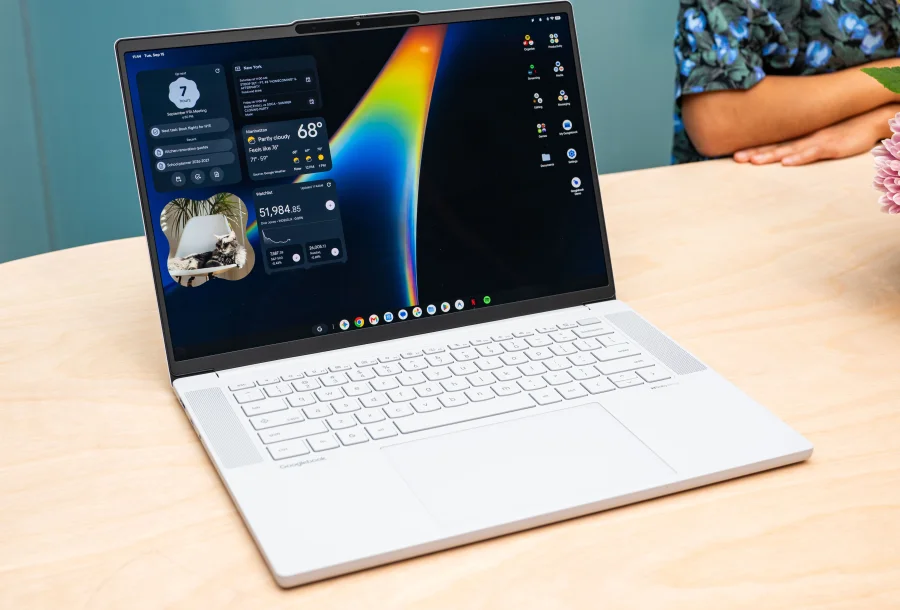
For years, Android users have watched iPhone owners glide between their phones and Macs — answering calls on their laptops, copying text on one device and pasting it on another, picking up a document exactly where they left off. That quiet, frictionless magic has been one of Apple's strongest retention tools. Now, Google appears ready to build its own version of that story — with a laptop reportedly nicknamed the "Googlebook."
What Exactly Is Google Reportedly Building?
According to reports, Google is working on a laptop designed from the ground up to pair with Android phones. The idea is simple but powerful: your phone and your laptop should behave like two halves of the same device.
That could mean instant file transfers, shared clipboard, synced notifications, and the ability to start something on your phone and finish it on your laptop — without cables, third-party apps, or workarounds.
Why This Matters More Than Another Laptop Launch
The laptop market is crowded. Another thin-and-light machine would barely register. But a laptop that deepens the Android ecosystem is a different proposition entirely.
For Google, the real prize isn't hardware revenue — it's keeping users inside its services. Every seamless handoff between phone and laptop makes it harder to leave Android for an iPhone, or to switch to a Windows machine that doesn't offer the same tight integration.
The Apple Playbook Google Has Been Watching
Apple's ecosystem advantage is well documented. iMessage, AirDrop, Handoff, and Universal Clipboard collectively create a switching cost that no single feature can match. Once a user owns an iPhone, an Apple Watch, and a Mac, leaving becomes emotionally and practically expensive.
Google has chipped away at this with features like Nearby Share, Fast Pair, and cross-device calling. But a dedicated laptop built for Android would be the company's most ambitious step yet.
Who Stands to Gain — and Who Should Be Worried
For everyday Android users, the appeal is obvious: less friction, fewer apps, more time saved. Students juggling assignments across devices, professionals managing email on the go, and families sharing files would feel the difference immediately.
For Microsoft, the stakes are higher. Windows has long been the default laptop for Android users. If Google offers a native alternative with better phone integration, some of that loyalty could shift.
What Google Has Said — and What It Hasn't
As of now, Google has not issued a formal announcement confirming the Googlebook. No specifications, pricing, launch date, or official name have been verified.
Everything beyond the core idea — that Google wants tighter Android-laptop integration — remains reported or speculative. Readers should treat specific hardware claims with caution until Google confirms them.
Confirmed Facts vs What Remains Unclear
Confirmed: Google has invested heavily in cross-device Android features over the past several years, and the company has a track record of building hardware (Pixel phones, Pixelbooks, Pixel Tablets).
Unclear: Whether the "Googlebook" is a real product in development, what operating system it would run, whether it would use ChromeOS or Android, its price, and its launch timeline.
Any claim beyond the headline should be labelled as reported or rumoured, not confirmed.
Google's Real Moat: Services, Not Specs
Google's advantage has never been hardware alone. It's the ecosystem — Gmail, Drive, Photos, Maps, Assistant, and the Play Store — that keeps users engaged. A Googlebook would be less about beating rivals on processor speed and more about making those services feel native across devices.
That's a moat Apple understands well. Google is now trying to build its own.
Risks and the Balanced View
Not every ecosystem play succeeds. Google has discontinued hardware lines before, and ChromeOS has struggled to win premium laptop buyers. A Googlebook would need to justify its existence against cheaper Windows machines and Apple's polished MacBook lineup.
There's also the question of trust: users burned by past Google product shutdowns may hesitate to commit to a new ecosystem promise.
The Bigger Pattern: Ecosystems Are the New Battlefield
Smartphones alone no longer decide loyalty. Watches, earbuds, tablets, laptops, and even cars now form a connected web. Companies that own more of that web keep users longer.
Google's reported Googlebook fits squarely into this trend — a sign that the next phase of tech competition won't be about one device, but about how well many devices work as one.
What Android Users Should Do Right Now
Nothing urgent. If you're planning a laptop purchase in the next few months, it may be worth waiting for clarity on whether Google confirms this product. If you're happy with your current setup, there's no reason to change course based on rumours alone.
Watch for official Google announcements, developer conference keynotes, or regulatory filings that would confirm hardware plans.
What Could Happen Next
If the Googlebook is real, expect Google to unveil it at a major event — possibly alongside a Pixel launch — with heavy emphasis on Android integration. If it isn't, the rumour itself still signals where Google wants to go: a future where your phone and laptop feel like one device.
Our Take
This story matters less because of the hardware and more because of the intent. Google is signalling that it wants to compete on ecosystem experience, not just software features. Whether or not the Googlebook ships, the direction is clear — and Android users may finally get the seamless laptop experience they've watched iPhone owners enjoy for years.
Frequently Asked Questions
What is a Googlebook laptop?
A Googlebook is a reported Google laptop designed to integrate tightly with Android phones, offering seamless cross-device features similar to how iPhones work with Macs. Google has not officially confirmed the product.
Will the Googlebook replace Chromebooks?
That's unclear. Google has not indicated whether the Googlebook would run ChromeOS, Android, or a new platform, or whether it would replace or complement existing Chromebooks.
When will the Googlebook launch?
No launch date has been announced or verified. Any timeline circulating online should be treated as speculation until Google confirms it.
How would a Googlebook be different from a regular Windows laptop?
A Windows laptop works with Android phones through third-party apps. A Googlebook would reportedly offer native, built-in integration — faster file sharing, synced notifications, and smoother app continuity without extra software.