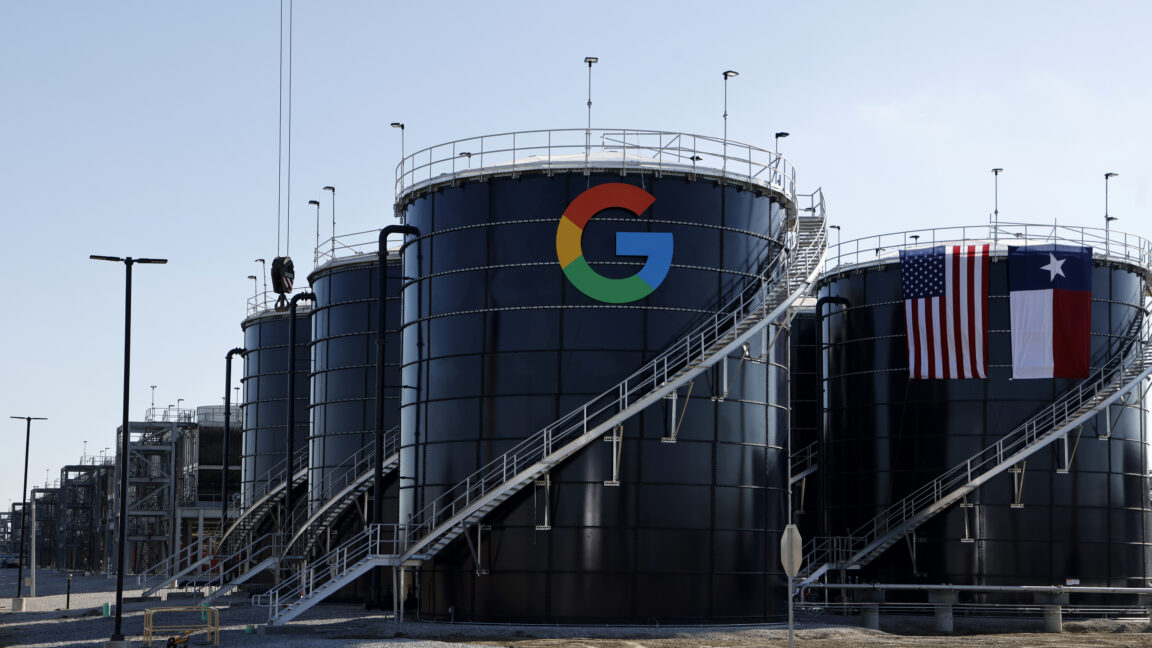
Google’s insatiable hunger for computing power has pushed its electricity consumption to historic levels. The company reported a 37% jump in annual electricity use in 2025 — the largest single-year increase in its history — as it races to build out AI infrastructure across the globe. But the tech giant insists it has kept its operational carbon emissions in check by buying record amounts of clean energy.
Why Google’s power bill is soaring like never before
The 37% rise in electricity consumption is unprecedented for Google, surpassing even the 27% increase recorded in 2024. The company’s latest sustainability report attributes the surge to ongoing expansion in Google Cloud, YouTube video streaming, and data center construction supporting AI products and services. Since 2019, Google’s total electricity usage has grown by more than 250%.
The clean energy balancing act behind the numbers
Despite the massive jump in power demand, Google says its operational carbon emissions — known as Scope 1 and 2 — did not rise proportionally. The company has been purchasing large volumes of wind, solar, and other renewable energy to match its electricity consumption. This strategy, while effective on paper, raises questions about whether clean energy supply can keep pace with AI’s exponential growth.
How AI data centers are reshaping energy demand
AI models require enormous computational power, especially for training large language models and running inference at scale. Each new generation of AI hardware and software demands more electricity, not less. Google’s data centers now consume energy at a rate that would power entire cities, and the trend shows no sign of slowing as competition with Microsoft, Amazon, and others intensifies.
Who is affected by Google’s rising energy use
The impact extends beyond Google’s bottom line. Local communities near data centers face increased strain on power grids, higher electricity costs, and environmental concerns. Meanwhile, investors and climate activists are watching closely: Google has pledged to operate on 24/7 carbon-free energy by 2030, but the 37% electricity jump makes that target look increasingly difficult.
What Google says about its climate commitments
In its sustainability report, Google emphasized that it continues to be the world’s largest corporate purchaser of renewable energy. The company stated: “We remain committed to our 2030 goal of operating on 24/7 carbon-free energy, and we are investing in new clean energy projects to match our growing demand.” However, critics note that purchasing offsets and renewable energy credits does not eliminate the environmental footprint of new data centers.
The deeper challenge: AI’s energy paradox
Google’s situation reflects a broader tension in the tech industry. AI promises efficiency gains and breakthroughs in science, healthcare, and climate modeling — but building and running AI systems consumes vast amounts of energy. The question is whether the benefits of AI outweigh its environmental cost, and whether technological improvements in efficiency can keep up with demand growth.
Confirmed facts vs what remains unclear
What is confirmed: Google’s electricity consumption rose 37% in 2025, total usage is up 250% since 2019, and the company purchased clean energy to offset operational emissions. What remains unclear: whether Google can sustain this offset strategy as demand grows, how much of the increase is directly tied to AI versus other services, and whether the 2030 carbon-free goal remains achievable.
Google’s competitive position in the AI race
Google’s massive energy consumption is a direct result of its aggressive AI buildout. The company is investing heavily in custom TPUs, data center expansions, and cloud infrastructure to compete with Microsoft-backed OpenAI and Amazon’s AWS. Its ability to secure clean energy at scale gives it a potential advantage over rivals who may face stricter regulatory or public pressure on emissions.
Risks and balanced view
Critics argue that Google’s clean energy purchases do not fully address the environmental impact of new data centers, especially in regions where renewable energy is scarce. There are also concerns about water usage for cooling, e-waste from hardware upgrades, and the carbon footprint of manufacturing AI chips. Supporters counter that Google is leading the industry in transparency and renewable energy procurement, and that AI itself can help solve climate problems.
Wider trend: Big Tech’s energy reckoning
Google is not alone. Microsoft, Amazon, and Meta have all reported rising energy consumption tied to AI. The International Energy Agency has warned that data center electricity use could double by 2026, putting pressure on global power grids and renewable energy supply. This trend is reshaping energy markets and forcing utilities to accelerate clean energy investments.
What this means for consumers and investors
For everyday users, Google’s rising energy costs may eventually translate into higher prices for cloud services or AI features. For investors, the sustainability report is a reminder that AI growth comes with environmental liabilities that could attract regulatory scrutiny. For policymakers, the data underscores the need for clearer standards on data center emissions and renewable energy mandates.
What happens next
Google is expected to announce new clean energy partnerships and efficiency improvements in the coming months. The company may also face shareholder resolutions demanding more aggressive climate action. The broader AI industry will be watching to see if Google can decouple growth from emissions — or if the 37% electricity jump becomes a permanent trend.
Our Take
Google’s 37% electricity increase is a wake-up call for the entire tech industry. AI’s promise is real, but its environmental cost is mounting. The company deserves credit for transparency and for investing in clean energy, but the numbers show that offsets alone may not be enough. The real test will come in the next two to three years, as AI deployment accelerates further. If Google can demonstrate that efficiency gains and renewable energy can keep emissions flat, it will set a powerful example. If not, the industry may face a reckoning that goes beyond carbon accounting.
Frequently Asked Questions
Why did Google’s electricity use increase by 37% in 2025?
The increase was driven by the expansion of AI data centers, Google Cloud services, and YouTube video streaming. AI model training and inference require enormous computational power, leading to higher energy consumption.
Did Google’s carbon emissions rise along with electricity use?
Google says its operational carbon emissions (Scope 1 and 2) remained flat because it purchased large amounts of clean energy, such as wind and solar, to match its electricity consumption.
Can Google still meet its 2030 carbon-free energy goal?
The 37% electricity jump makes the goal more challenging, but Google says it remains committed. Achieving 24/7 carbon-free energy will require massive investments in renewable energy and grid-scale storage.
How does Google’s energy use compare to other tech companies?
Google is one of the largest corporate purchasers of renewable energy, but its total electricity consumption is rising faster than many peers. Microsoft and Amazon have also reported significant increases tied to AI.