Just three weeks after the Trump administration flagged Anthropic’s newest AI models as potential national security risks, the US government has lifted export curbs — clearing the way for a global release that could reshape how advanced AI is deployed worldwide.
What changed with Anthropic’s Claude models Fable 5 and Mythos 5
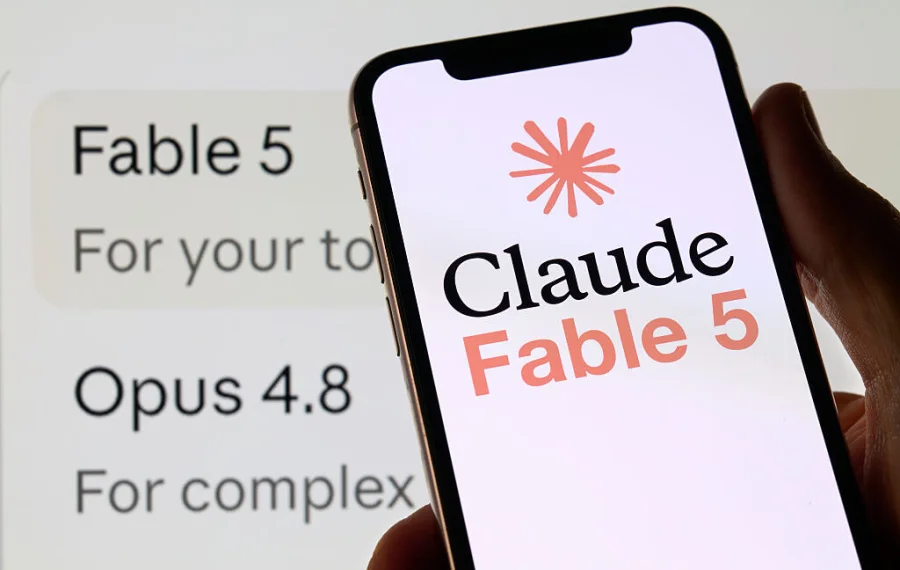
The US Commerce Department confirmed that Anthropic’s advanced Claude models — Fable 5 and Mythos 5 — no longer require a license for exports or in-country transfers. Commerce Secretary Howard Lutnick communicated the decision in a letter to Anthropic, viewed by Reuters and The New York Times. As of today, Fable 5 is available globally, while US organizations have had access to Mythos 5 restored since June 26.
Why the Trump administration flagged these AI models as security risks
The original restrictions were imposed after concerns that Anthropic’s models could be used for malicious purposes, including cyberattacks or disinformation campaigns. The administration demanded safety testing before allowing broader distribution. The rapid reversal — just three weeks later — signals that Anthropic satisfied those safety concerns, or that the government reassessed the risk profile.
Timeline: From export curbs to global release in three weeks
In late June, the Trump administration placed export restrictions on Fable 5 and Mythos 5, citing national security. Anthropic responded by engaging with government officials, conducting additional safety evaluations, and proposing controlled access programs. By June 26, Mythos 5 access was restored to US organizations. On July 1, the Commerce Department formally lifted all export curbs, and Fable 5 went global.
Who benefits from the global release of Anthropic’s AI models
Businesses, researchers, and developers worldwide can now access Fable 5, which is designed for general-purpose AI tasks including coding, analysis, and content generation. Mythos 5, a more powerful model, remains restricted to US organizations and trusted cybersecurity researchers under the Glasswing program. The expanded access could accelerate AI adoption in sectors like healthcare, finance, and cybersecurity.
Commerce Secretary Howard Lutnick’s letter and government stance
In his letter to Anthropic, Secretary Lutnick stated that the company would “no longer need a license for exports or in-country transfers” of the models. The decision reflects a balancing act between promoting US AI leadership and managing security risks. The government emphasized that Anthropic’s cooperation with safety testing was a key factor in the reversal.
What the Glasswing program means for cybersecurity researchers
Anthropic’s Glasswing program allows trusted cybersecurity researchers at vetted companies to access Mythos 5 for defensive purposes. The company is now working with the government to expand the program to a “broader set of domestic and international partners.” This controlled access model could become a template for how advanced AI is shared in sensitive domains.
Confirmed facts vs what remains unclear
Confirmed: The US lifted export curbs on Fable 5 and Mythos 5. Fable 5 is globally available. Mythos 5 access restored to US organizations on June 26. Commerce Secretary Lutnick’s letter confirmed the change. Unclear: The specific safety tests Anthropic conducted. Whether any conditions remain for future model releases. The full list of Glasswing program partners.
Why Anthropic’s models matter in the AI landscape
Anthropic has positioned itself as a safety-first AI company, competing with OpenAI and Google. Its Claude models are known for strong alignment and safety features. The Fable 5 and Mythos 5 releases represent a significant step in Anthropic’s growth, potentially challenging OpenAI’s GPT models in enterprise and research markets.
Risks and balanced view of the global release
Critics argue that even with safety testing, advanced AI models can be misused once globally available. Some cybersecurity experts worry that Mythos 5’s capabilities could still be exploited despite the Glasswing restrictions. Supporters counter that controlled access and transparency reduce risks, and that US leadership in AI requires global distribution to compete with Chinese and European models.
Wider trend: US AI regulation and export controls in 2026
The Anthropic case is part of a broader pattern. The Trump administration has imposed export controls on several advanced AI models, including restrictions on OpenAI’s GPT models. The rapid reversal for Anthropic suggests a more flexible, case-by-case approach — but also highlights the tension between innovation and security in AI policy.
What businesses and developers should do now
Organizations interested in Fable 5 can access it through Anthropic’s API starting today. US companies seeking Mythos 5 should apply for the Glasswing program. Developers should review Anthropic’s safety guidelines and use policies. For non-US entities, Fable 5 is available without export restrictions, but compliance with local AI regulations remains necessary.
What could happen next with Anthropic and AI export controls
Anthropic is expected to push for broader Mythos 5 access through the Glasswing program. The company may also release future models with built-in safety features to avoid similar restrictions. The US government could refine its export control framework based on this experience, potentially creating a faster clearance process for safety-tested models.
Our Take
The rapid reversal of export curbs on Anthropic’s models is a significant moment for AI policy. It shows that safety testing can work as a trust-building mechanism between government and AI companies. But it also raises questions: Was the original restriction too hasty? Are three weeks enough for thorough safety evaluation? The answer likely lies somewhere between — the government acted cautiously, Anthropic responded cooperatively, and the result is a model that balances access with oversight. For now, the global AI community gets a powerful new tool, and the US keeps its leadership position intact.
Frequently Asked Questions
What are Anthropic’s Fable 5 and Mythos 5 models?
Fable 5 and Mythos 5 are advanced AI models developed by Anthropic, part of the Claude family. Fable 5 is designed for general-purpose tasks like coding and analysis, while Mythos 5 is a more powerful model intended for cybersecurity research and defensive applications.
Why did the US government restrict these AI models?
The Trump administration flagged the models as potential national security risks, concerned they could be used for cyberattacks or disinformation. Export curbs were imposed until safety testing could be completed.
How can I access Fable 5 or Mythos 5?
Fable 5 is available globally through Anthropic’s API. Mythos 5 is currently restricted to US organizations and trusted cybersecurity researchers under the Glasswing program. Non-US entities cannot access Mythos 5 yet.
What is the Glasswing program?
Glasswing is Anthropic’s controlled access program for Mythos 5, allowing vetted cybersecurity researchers to use the model for defensive purposes. The company is expanding the program to more domestic and international partners.