Starting June 30, the Google Play Store will no longer be a walled garden for payments. In a move that reshapes how Android users pay for apps and in-app purchases, Google will allow developers to offer alternative billing systems alongside its own. The change, confirmed for the US, UK, and European Economic Area, means millions of users could soon see cheaper prices — and a choice they never had before.
What changes on June 30
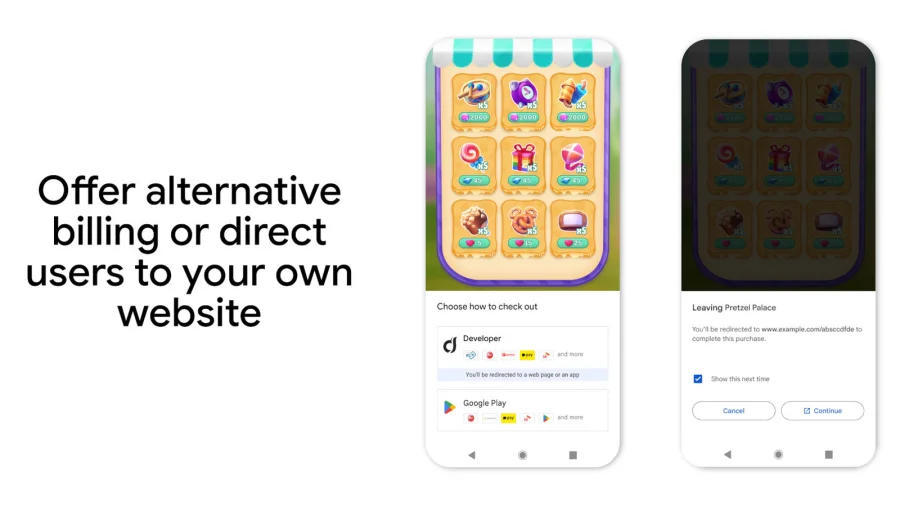
From that date, developers distributing apps through the Play Store can integrate external payment systems — like their own credit card processors or third-party wallets — alongside Google's billing. Users will see a choice at checkout: pay via Google Play or use the developer's alternative. Google will still take a fee, but it will be lower than the standard 30% commission, according to the company's announcement.
Why this matters for your wallet
For the average Android user, this could mean real savings. Developers who avoid Google's full commission often pass those savings to customers. Apps like Spotify, Netflix, or game publishers might offer subscription discounts or cheaper in-app purchases if you pay through their own system. The change also gives users more control over how their payment data is handled — though it also means trusting third-party processors.
The road to this decision
Google's shift follows years of regulatory pressure and legal battles. In the US, antitrust lawsuits from Epic Games and state attorneys general challenged the Play Store's mandatory billing system. In Europe, the Digital Markets Act forced Google to open its platform. The June 30 deadline aligns with court-ordered injunctions and regulatory timelines, making this a compliance-driven change as much as a business decision.
Who benefits most
Developers of large apps and games stand to gain the most. They can now negotiate lower fees or bypass Google's cut entirely for users who choose alternative billing. Small developers may also benefit, but the complexity of integrating multiple payment systems could be a barrier. For users, the biggest impact will be on subscription services and high-value in-app purchases, where the 30% fee had the most visible effect on pricing.
Google's official stance
In a blog post on the Android Developers Blog, Google framed the change as part of "a new era for choice and openness." The company emphasized that it still charges a service fee for Play Store distribution, even when developers use external billing. "We believe this approach balances developer flexibility with the investments we make in the platform," a Google spokesperson said. The exact fee structure for alternative billing has not been fully detailed, but Google has indicated it will be lower than the standard rate.
What this means for the app economy
The move effectively ends Google's monopoly on Play Store payments in these markets. Analysts say it could reduce Google's revenue from app commissions by billions annually, but it also positions the company to avoid harsher regulatory penalties. For developers, it creates a new bargaining chip: they can now threaten to steer users to cheaper payment methods if Google doesn't offer better terms. This could lead to a more competitive ecosystem, but also more complexity for users managing multiple billing accounts.
Confirmed facts vs what remains unclear
Confirmed: Google will allow alternative billing from June 30 in the US, UK, and EEA. Developers can offer external payment options alongside Google Play Billing. Google will charge a reduced service fee for transactions processed outside its system. Unclear: The exact reduced fee percentage. Whether the change will expand to other regions like India, Japan, or Australia. How Google will enforce user protection standards for third-party payments. Whether Apple will follow with similar changes for the App Store.
Google's competitive position
Google's Play Store remains the dominant Android app marketplace, with over 3 billion devices worldwide. Its key advantage is distribution: developers need the Play Store to reach most Android users. By opening billing but keeping a service fee, Google maintains its revenue stream while defusing antitrust threats. The company's ecosystem strength — including Google Play Protect, developer tools, and global reach — means most developers will still rely on the platform, even with alternative billing.
Risks and balanced view
Critics argue that Google's reduced fee is still too high and that the change is a tactical concession rather than genuine openness. Some developers worry about the complexity of managing multiple payment systems and the potential for user confusion. Security experts caution that third-party payment processors may not have the same fraud protection as Google's system. On the other hand, supporters say this is a meaningful step toward competition that could lower prices for consumers and give developers more freedom.
Wider industry shift
Google's move is part of a global trend. The European Union's Digital Markets Act has forced both Google and Apple to open their app stores. In the US, the Epic Games lawsuit set a precedent, and the UK's Competition and Markets Authority is investigating similar issues. Regulators in India, Japan, and South Korea are also pushing for more open app store policies. This change in the Play Store could accelerate similar moves worldwide.
What Android users should do now
From June 30, when you make an in-app purchase or subscribe to a service, look for a prompt asking if you want to use Google Play Billing or an alternative. If you choose the alternative, you may see a lower price — but also need to enter payment details directly with the developer. Check your app settings for notifications about new payment options. For now, the change only applies in the US, UK, and EEA, so users elsewhere will not see it immediately.
What happens next
After June 30, expect a gradual rollout as developers update their apps to support alternative billing. Google will likely announce the reduced fee structure in the coming weeks. Regulatory bodies in other countries may push for similar changes, potentially expanding the policy globally. The long-term impact on app prices, developer revenue, and Google's bottom line will become clearer over the next year.
Our Take
This is a landmark moment for the Android ecosystem — not because Google wanted it, but because regulators and courts forced it. The real test will be whether the change actually lowers prices for users or just adds complexity. If developers pass on savings, consumers win. If they keep the difference, the shift is mostly symbolic. Either way, the era of the 30% tax on app payments is ending, and that's good for competition. The next question is whether Apple will follow — and how far Google will go in other markets.
Frequently Asked Questions
What is Google Play Store outside billing?
It's a new option starting June 30 that lets app developers offer their own payment systems — like credit cards or third-party wallets — instead of forcing users to pay through Google Play Billing. Users can choose which method to use at checkout.
Will I pay less if I use alternative billing?
Possibly. Developers who avoid Google's 30% commission often lower prices to attract users. You may see discounts on subscriptions or in-app purchases when you choose the developer's payment method, but it's not guaranteed.
Is alternative billing safe?
Google says it will still enforce security standards, but third-party payment processors may not have the same fraud protection as Google's system. Only use trusted developers and check their payment security before entering details.
When does this change take effect?
June 30, 2026, in the US, UK, and European Economic Area. Other regions may follow later depending on regulatory pressure.