Come October 1, pulling into a petrol pump in Noida or Greater Noida without a valid Pollution Under Control Certificate (PUCC) may not get you fuel — it may get you turned away. Officials in Gautam Buddh Nagar have said vehicles lacking a valid PUCC will be denied petrol and diesel, a step tied to a wider Delhi-NCR effort to bring down vehicular emissions.
For lakhs of daily commuters, cab drivers, and two-wheeler owners across the district, this is not a distant policy debate. It is a rule that will be tested at the nozzle, every time they refuel.
What Exactly Changes at the Pump From October 1
Under the announced measure, fuel stations in Gautam Buddh Nagar are expected to check for a valid PUCC before dispensing fuel. A PUCC is a certificate issued after a vehicle's tailpipe emissions are tested and found within prescribed limits. Vehicles without a current certificate — or with an expired one — will not be served.
The rule applies across vehicle categories, though the exact enforcement mechanism at each pump is still being worked out, according to officials.
Why Noida and Greater Noida Are Central to This Crackdown
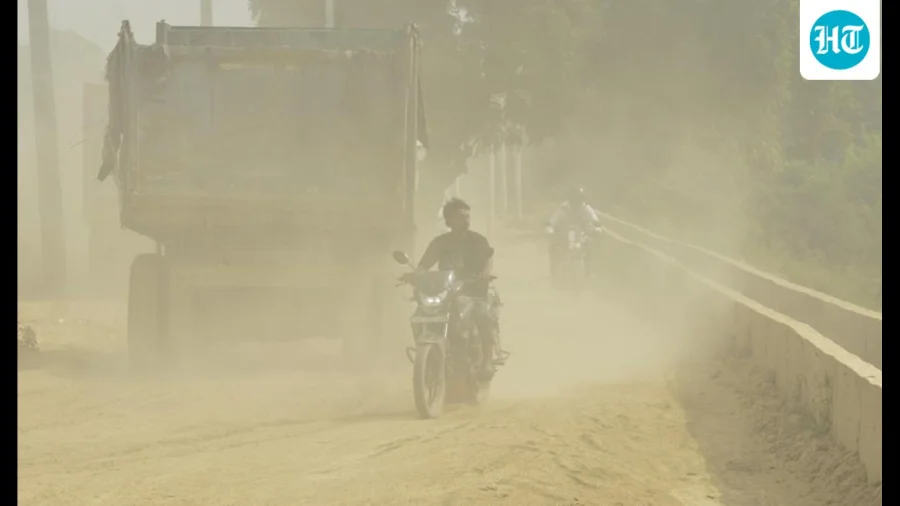
Gautam Buddh Nagar sits squarely in the Delhi-NCR airshed, one of the most polluted urban regions in the country. Winter months routinely push air quality into the "severe" category, and vehicular exhaust is consistently identified as a major contributor.
Denying fuel to non-compliant vehicles is a harder enforcement lever than roadside challans. It shifts the burden from sporadic checking to a daily checkpoint — the fuel station itself.
How the PUCC System Was Supposed to Work
The PUCC has existed for years as a mandatory emissions compliance document, typically valid for six months to a year depending on the vehicle's age and fuel type. In practice, enforcement has been uneven. Many owners renew only when stopped by traffic police or during registration-related work.
The October 1 measure effectively closes that gap by making the certificate a precondition for something every vehicle needs: fuel.
Who Feels This First — and Why It Matters to Them
Commercial drivers stand to be hit hardest. Auto-rickshaw and taxi operators, delivery riders, and small transport owners depend on uninterrupted fuel access for their daily earnings. A refused refill is not an inconvenience — it is a lost day of income.
For private vehicle owners, the impact is more about preparedness. Those with valid certificates will notice little change. Those without will face an immediate, physical barrier.
What Officials Have Said — and What Remains Open
Officials have framed the move as part of a wider Delhi-NCR measure to curb vehicular emissions. That is the extent of the confirmed position so far.
Questions about how fuel stations will verify certificates, whether digital PUCC copies will be accepted, and what penalties apply to pumps that do not comply have not been fully addressed in the available information.
Confirmed Facts vs What Is Still Unclear
Confirmed: Vehicles without a valid PUCC will be denied fuel in Gautam Buddh Nagar from October 1, per officials. The measure is linked to a broader NCR emissions effort.
Unclear: The exact verification process at pumps, whether exemptions exist for any vehicle category, the penalty structure for non-compliant fuel stations, and how the rule will be enforced in practice on day one. Readers should treat any specific claim beyond the official announcement as unverified until confirmed.
Why This Is Harder to Enforce Than It Sounds
Fuel retail in NCR is high-volume and fast-moving. Adding a document check to every transaction risks slowing service and creating friction between attendants and customers. Pumps also have commercial incentives to sell fuel, not refuse it.
Whether the rule translates into consistent enforcement — or becomes another on-paper mandate — will depend on monitoring by district administration and transport authorities.
The Bigger Pattern: NCR's Shift to Compliance-Linked Access
This is not an isolated step. Across Delhi-NCR, authorities have increasingly linked access to services and infrastructure with environmental compliance — from restrictions on older vehicles to graded response measures during pollution spikes.
The PUCC-fuel link follows that logic: instead of penalising non-compliance after the fact, it prevents the vehicle from operating in the first place.
What Vehicle Owners Should Do Right Now
If your PUCC is expired or you are unsure of its validity, get it checked and renewed before October 1. PUCC testing is available at authorised emission testing centres and many fuel stations.
Keep a digital copy on your phone alongside the physical certificate. If you operate a commercial vehicle, factor in the time for renewal now rather than during a working day.
What Happens After October 1
The first weeks will reveal how strictly the rule is applied and whether it produces measurable air quality gains or simply shifts non-compliant vehicles to pumps outside the district.
If enforcement holds, similar measures could extend to other NCR districts — making the PUCC a routine part of vehicle ownership rather than an afterthought.
Our Take
The intent behind the PUCC-fuel rule is sound: emissions compliance has been too easy to ignore for too long. But intent and execution are different things. A rule that depends on fuel station staff to enforce environmental policy places an unusual burden on frontline workers and leaves room for inconsistency.
Its success will hinge on whether authorities back the announcement with monitoring, clear verification tools, and public awareness — not just a deadline. For now, the practical takeaway for every vehicle owner in Gautam Buddh Nagar is simple: check your PUCC before October 1, or risk being turned away at the pump.
Frequently Asked Questions
What is a PUCC and why is it required?
A Pollution Under Control Certificate (PUCC) is issued after a vehicle's emissions are tested and found within prescribed limits. It is a mandatory document for vehicles plying on Indian roads, aimed at controlling vehicular pollution.
Will fuel stations in Gautam Buddh Nagar really refuse fuel without a PUCC?
Yes, according to officials. From October 1, vehicles without a valid PUCC will be denied petrol and diesel in Gautam Buddh Nagar as part of a Delhi-NCR emissions measure. Enforcement details are still emerging.
How can I get or renew my PUCC before October 1?
PUCC testing is available at authorised emission testing centres and at many fuel stations. The certificate is typically valid for six months to a year, depending on your vehicle's age and fuel type. Get it renewed well before the deadline.
Does this rule apply to all vehicles, including two-wheelers?
The announced measure covers vehicles without a valid PUCC, which includes two-wheelers and four-wheelers. Any category-specific exemptions, if they exist, have not been clearly specified in the available official information.