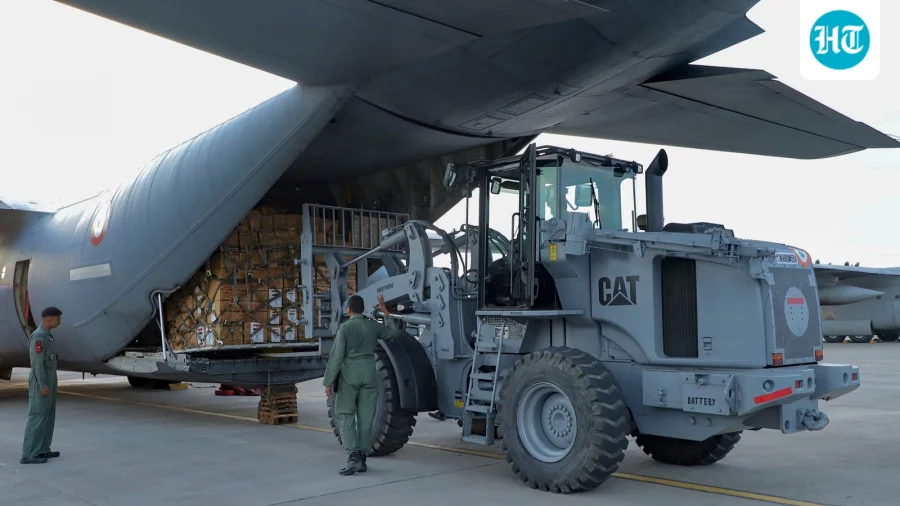
India has taken a decisive step toward military self-sufficiency. The Defence Acquisition Council (DAC), chaired by Defence Minister Rajnath Singh, has cleared proposals worth approximately ₹1.1 lakh crore covering missiles, radars and other critical defence equipment. The approval signals a strategic shift — not just in what India buys, but in how it builds.
What the ₹1.1 Lakh Crore DAC Clearance Covers
The DAC's latest clearance spans a broad spectrum of military hardware. Missile systems and radar networks form the core of the approved proposals, alongside other equipment essential for modern warfare. While the council's approval is a major milestone, detailed specifications and individual contract values are expected to be disclosed as procurement processes advance.
Why This Defence Acquisition Matters for India's Security Posture
This is not merely a procurement exercise. The scale of the approval — ₹1.1 lakh crore — reflects India's growing defence appetite amid regional security challenges. More significantly, the emphasis on self-reliance means these acquisitions will likely prioritise domestic manufacturers, strengthening the country's defence industrial base rather than simply opening wallets to foreign suppliers.
How the DAC Approval Process Works
The Defence Acquisition Council serves as the highest decision-making body for defence procurement in India. Chaired by the defence minister, the council evaluates capital acquisition proposals based on operational necessity, technological requirements and strategic fit. This particular clearance follows a structured review process, with the proposals now cleared for subsequent stages of acquisition.
What Self-Reliance Means for Indian Soldiers and Taxpayers
For the armed forces, indigenous procurement typically means faster delivery timelines and equipment tailored to India's specific operational environments. For citizens, the push toward domestic manufacturing carries dual benefits — defence spending circulates within the Indian economy, and the country reduces its vulnerability to supply chain disruptions from foreign nations.
Government's Stated Position on Indigenous Defence Manufacturing
Officials indicated the clearance aligns with the government's broader Atmanirbhar Bharat vision for defence. The Defence Minister's office has consistently emphasised reducing dependence on imported defence equipment. This DAC decision translates that policy direction into concrete acquisition proposals worth over a lakh crore rupees.
Analysing the Strategic Timing and Scope of the Defence Boost
The breadth of this approval — spanning missiles to radars — suggests a comprehensive capability-building approach rather than piecemeal purchases. Missiles provide offensive and defensive depth; radars strengthen surveillance and early warning capabilities. Together, they represent a layered enhancement of India's military readiness across multiple domains.
Confirmed Details vs What Awaits Official Disclosure
What is confirmed: the DAC, under Rajnath Singh's chairmanship, cleared proposals worth approximately ₹1.1 lakh crore covering missiles, radars and other equipment. What remains to be disclosed: the specific systems approved, individual project costs, timelines for contract signing and the precise breakdown between domestic and foreign procurement components. These details will emerge as acquisition processes progress.
India's Defence Manufacturing Ecosystem Gains Momentum
India's defence manufacturing sector has been undergoing significant transformation. Public sector undertakings like HAL, BEL and BDL, alongside private players, have expanded their capabilities in recent years. This DAC clearance provides these manufacturers with a substantial order pipeline, potentially accelerating technology development and production capacity expansion.
Balanced View: Challenges in India's Self-Reliance Path
While the self-reliance push is strategically sound, challenges remain. Domestic defence manufacturing has historically faced hurdles including technology gaps, quality consistency issues and delivery delays. Critics argue that certain critical technologies still require foreign collaboration. The success of this ₹1.1 lakh crore push will depend on execution — whether Indian manufacturers can deliver world-class equipment on schedule.
India's Defence Modernisation Within a Global Pattern
India's move mirrors a broader global trend. Nations across Asia and beyond are prioritising defence indigenisation, recognising that reliance on foreign suppliers creates strategic vulnerabilities. China's rapid military modernisation and regional geopolitical tensions have accelerated this thinking. India's DAC decision places the country firmly within this global shift toward defence self-sufficiency.
What Citizens and Industry Should Watch For
For defence industry stakeholders, the coming months will reveal which companies benefit from specific contracts. For the general public, the key indicators are timelines — how quickly these proposals translate into actual equipment for the armed forces. Transparency in procurement milestones will help maintain public confidence in the defence modernisation process.
Future Outlook: From Clearance to Capability
The DAC clearance is the beginning, not the end. Following this approval, proposals will move through contract negotiations, pricing discussions and final sign-offs. If executed efficiently, these acquisitions could significantly enhance India's military capabilities within the next few years. Delays in the procurement pipeline, however, remain a persistent concern in Indian defence acquisitions.
Our Take
This ₹1.1 lakh crore DAC clearance represents a meaningful statement of intent. India is not merely purchasing weapons — it is investing in its ability to produce them. The strategic logic is sound: self-reliance in defence reduces external vulnerabilities and builds domestic industrial capacity. The real test lies ahead, in whether the acquisition process moves with speed and whether Indian manufacturers rise to the occasion. For now, the direction is clear — India is building its military future at home.
Frequently Asked Questions
What is the Defence Acquisition Council?
The Defence Acquisition Council is India's highest decision-making body for defence procurement. Chaired by the Defence Minister, it evaluates and approves capital acquisition proposals for the armed forces based on operational requirements and strategic priorities.
What does the ₹1.1 lakh crore DAC clearance include?
The clearance covers proposals for missiles, radars and other defence equipment. The specific systems and individual project values are expected to be disclosed as the procurement process advances through subsequent stages.
How does this push self-reliance in defence manufacturing?
The clearance prioritises indigenous manufacturing, meaning approved equipment will likely be produced by Indian defence companies rather than imported from foreign suppliers. This aligns with the government's Atmanirbhar Bharat policy for defence.
Who chairs the Defence Acquisition Council?
Defence Minister Rajnath Singh chairs the Defence Acquisition Council. Under his leadership, the council has cleared this significant defence procurement package worth approximately ₹1.1 lakh crore.