What if the single most important rule for building a billion-dollar empire wasn’t about strategy, funding, or even timing—but about the people you refuse to work with?
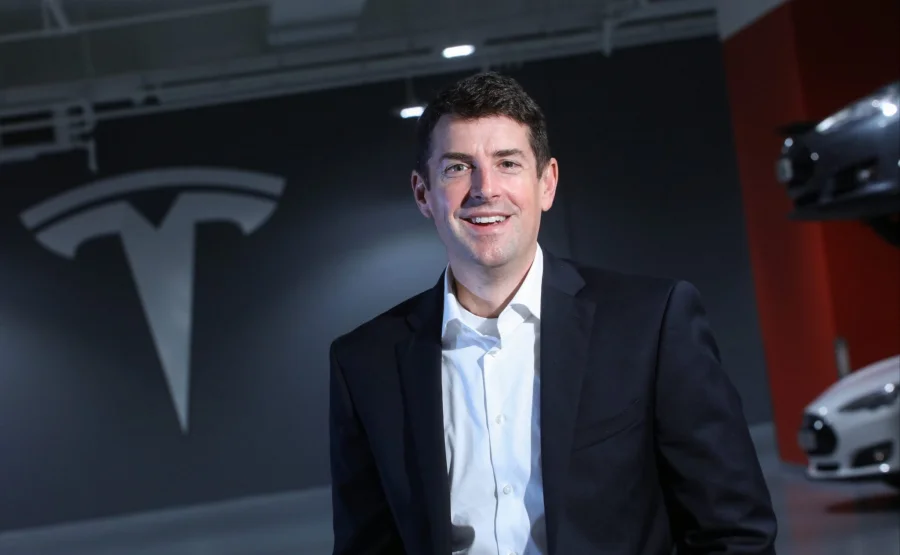
Jon McNeill, who served as Tesla’s president from 2015 to 2018, worked closer to Elon Musk than almost anyone during one of the most turbulent periods in the company’s history. And after years of watching Musk operate, he’s now sharing the one principle that defines the billionaire’s approach to everything.
“He demands to only work with world-class talent,” McNeill revealed in a recent interview. It sounds simple. But the reality, McNeill says, is far more brutal—and far more revealing—than most people realize.
The One Rule Elon Musk Never Breaks: Only Work With World-Class Talent
According to McNeill, Musk’s obsession with talent isn’t just a hiring preference—it’s a survival instinct. In his three years directly reporting to Musk, McNeill learned that the Tesla and SpaceX CEO has zero tolerance for mediocrity.
“If you’re not world-class at what you do, you’re not going to last,” McNeill explained. “He doesn’t care about your credentials or your past. He cares about whether you can solve problems at the highest level, right now.”
This philosophy, McNeill says, is the engine behind Musk’s ability to build companies that dominate industries—from electric vehicles to rockets to artificial intelligence.
Why This Matters Right Now
This isn’t just a behind-the-scenes anecdote about a famous CEO. It’s a blueprint that explains how Musk has managed to scale multiple billion-dollar companies simultaneously—while most leaders struggle to run one.
For entrepreneurs, managers, and anyone trying to build something meaningful, McNeill’s insight offers a uncomfortable truth: your success is directly tied to the quality of the people you surround yourself with. Not your strategy. Not your funding. Your people.
And as Musk’s empire continues to expand—with SpaceX reportedly eyeing a record-setting public offering—the question of how he does it has never been more relevant.
How McNeill Learned This Lesson Firsthand
McNeill joined Tesla in 2015, during the rollout of the Model X. But the real test came during the production ramp-up of the Model 3—a period that nearly pushed Tesla into bankruptcy.
“We were in a tent in the parking lot, trying to figure out how to build cars faster,” McNeill recalled. “And Elon was there, every single night, demanding that every person in that room be the best in the world at their job.”
It was during those sleepless nights that McNeill saw Musk’s talent philosophy in action. People who couldn’t keep up were replaced—quickly, without sentiment. But those who could were given extraordinary responsibility and trust.
“He doesn’t waste time on people who are just okay,” McNeill said. “He wants people who are obsessed, who are relentless, who will find a way when everyone else says it’s impossible.”
What This Means for Anyone Trying to Build Something
McNeill’s revelation isn’t just about Elon Musk. It’s a universal lesson that applies to startups, corporate teams, and even personal growth.
The former Tesla president now applies this principle in his own ventures. In his new book, The Algorithm, he lays out the operating habits he learned from Musk and how they can be applied beyond Silicon Valley.
“The first question I ask myself before any project is: do I have world-class people working on this? If the answer is no, I don’t start,” McNeill said.
It’s a harsh standard. But as Musk’s track record shows, it’s also an effective one.
What We Know So Far — and What Remains Unclear
What we know:
- Jon McNeill worked directly under Elon Musk at Tesla from 2015 to 2018
- McNeill has publicly stated that Musk’s core principle is working only with world-class talent
- This philosophy was applied during the Model 3 production crisis
- McNeill has written a book, The Algorithm, detailing these lessons
What remains unclear:
- How Musk defines “world-class” in practice
- Whether this approach can work outside of high-stakes tech environments
- How McNeill’s own ventures have applied this principle
Risks, Concerns, and the Balanced View
While Musk’s talent philosophy has produced extraordinary results, it’s not without criticism. Some argue that his relentless demand for “world-class” performance creates a culture of burnout and high turnover.
Former employees have described Tesla’s work environment as intense, with long hours and immense pressure. Critics say that while the approach works for a crisis, it’s not sustainable for long-term team health.
McNeill acknowledges the trade-off. “It’s not for everyone,” he said. “But if you want to change the world, you need people who are willing to push themselves beyond what they thought was possible.”
The question remains: can you build a world-changing company without burning out your people? Musk’s answer, apparently, is no—but the results speak for themselves.
Why Similar Trends Are Growing
McNeill’s revelation comes at a time when the concept of “talent density” is gaining traction in business circles. Companies like Netflix, Apple, and Google have all adopted similar philosophies—hiring only the top performers and letting go of those who don’t meet the bar.
This trend reflects a broader shift in how successful companies think about human capital. In an era of rapid technological change, the ability to attract and retain world-class talent has become the ultimate competitive advantage.
“If you’re not world-class at what you do, you’re not going to last.” — Jon McNeill, former Tesla president
What Readers, Entrepreneurs, and Leaders Should Know Now
McNeill’s lesson from Elon Musk isn’t just a story—it’s a practical framework. Here’s how to apply it:
- Audit your team: Are the people around you the best in the world at what they do? If not, consider whether they’re holding you back.
- Raise your standards: Don’t settle for “good enough.” World-class results require world-class people.
- Be willing to make tough decisions: Musk doesn’t hesitate to replace underperformers. Neither should you.
- Invest in talent development: World-class people need world-class challenges. Give them problems worth solving.
What Could Happen Next
As Musk’s empire continues to grow—with SpaceX, xAI, and Neuralink all pushing boundaries—the demand for world-class talent will only intensify. McNeill’s insight suggests that Musk’s success is not an accident but a deliberate outcome of a ruthless talent strategy.
For those watching from the sidelines, the lesson is clear: if you want to build something extraordinary, start by surrounding yourself with extraordinary people.
Our Take: Why This Story Matters Beyond One Incident
This isn’t just about Elon Musk. It’s about a fundamental truth that applies to every field: the quality of your output is directly proportional to the quality of your input. And in business, your input is your people.
McNeill’s willingness to share this lesson—honestly, without sugarcoating—offers a rare glimpse into how one of the most successful people in history thinks. It’s uncomfortable. It’s demanding. But for anyone serious about building something great, it’s essential.
FAQs
What is the secret to Elon Musk’s success according to his former Tesla president?
Jon McNeill says Musk’s core principle is to only work with world-class talent. He refuses to tolerate mediocrity and demands that everyone around him be the best in the world at what they do.
How did Jon McNeill learn this lesson from Elon Musk?
McNeill worked directly under Musk at Tesla from 2015 to 2018, including during the Model 3 production crisis. He saw firsthand how Musk would replace anyone who couldn’t keep up and trust only those who were exceptional.
Can Elon Musk’s talent philosophy work for small businesses or startups?
Yes, but it requires a willingness to make tough hiring and firing decisions. McNeill applies the same principle in his own ventures, saying he won’t start a project without world-class people on the team.
What are the risks of Elon Musk’s approach to talent?
Critics say it creates a high-pressure, burnout-prone culture. While it produces extraordinary results, it’s not sustainable for everyone and can lead to high turnover if not managed carefully.