Elon Musk may have already crossed a threshold no human has ever reached — becoming the world's first trillionaire — even before SpaceX shares hit the public market. And when they do, it won't just be Musk cashing in. A wave of SpaceX employees and early investors are about to see their own fortunes explode into the billions.
The company filed publicly for its initial public offering on Wednesday, setting the stage for what is expected to be the biggest IPO in history. A roadshow is expected to kick off on June 4, with pricing following a week later, and a trading debut shortly after. But the real story is already unfolding behind the scenes.
How Musk May Already Be a Trillionaire Before the IPO
While the IPO hasn't happened yet, SpaceX shares have been trading actively on private markets. Based on those recent transactions, Barron's calculated that Musk's 6.4 billion SpaceX shares are worth a staggering $830 billion. Add his roughly $290 billion in Tesla stock, and his total net worth hits $1.1 trillion — making him the world's first trillionaire on paper.
For context, the Bloomberg Billionaires Index, which uses a different methodology, currently puts Musk's net worth at $722 billion. That's still more than enough to keep him comfortably as the richest person on the planet. But the gap between the two estimates highlights just how much uncertainty — and potential — surrounds SpaceX's valuation.
Why This Matters Right Now
This isn't just a story about one man's wealth. It's about a seismic shift in how we think about private companies, public markets, and the people who build them. SpaceX employees, many of whom hold stock options, could see life-changing payouts. Early investors who bet on Musk's vision when SpaceX was still a risky startup are about to be rewarded with multibillion-dollar returns.
The IPO could also reshape the broader market. A company valued at hundreds of billions — potentially over a trillion dollars — entering public trading will ripple through indices, ETFs, and institutional portfolios. For everyday investors, it represents a rare chance to own a piece of the most ambitious private space company in history.
How the SpaceX IPO Plans Unfolded
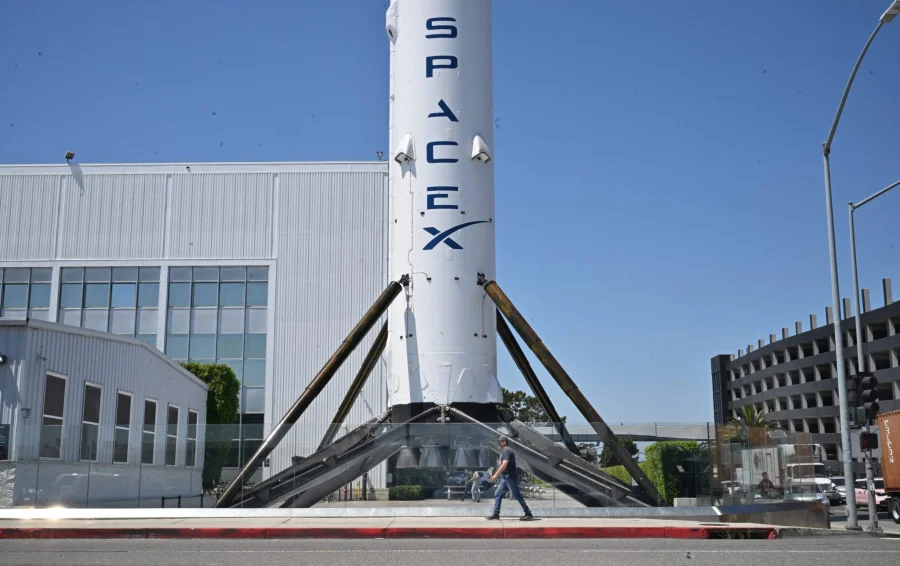
SpaceX's journey to the public market has been years in the making. The company, founded by Musk in 2002, has long been a private powerhouse, launching satellites, resupplying the International Space Station, and developing the Starship rocket system. But until now, only a select group of investors and employees could own shares.
On Wednesday, that changed. SpaceX filed its S-1 registration statement with the Securities and Exchange Commission, formally announcing its intention to go public. The roadshow, where company executives pitch the stock to institutional investors, is expected to begin June 4. Pricing will follow about a week later, and shares are expected to begin trading on a major exchange shortly after that.
The exact valuation at which SpaceX will price its IPO remains unknown. But given the private market activity, analysts expect it to be one of the largest — if not the largest — IPOs in history.
Who Is Affected and What Officials Are Saying
The biggest winner, of course, is Elon Musk. But he's far from the only one. SpaceX employs thousands of people, many of whom have been granted stock options as part of their compensation. For long-time employees, the IPO could mean sudden wealth measured in millions — or even billions — depending on their role and tenure.
Early investors, including venture capital firms and high-net-worth individuals who backed SpaceX in its early days, are also in line for enormous payouts. Some of these investors put in money when the company was valued at just a few billion dollars. Now, they're looking at returns that could multiply their original investment by 10, 20, or even 50 times.
Neither Musk nor SpaceX executives have commented publicly on the IPO plans beyond the required regulatory filings. But the filing itself speaks volumes. It confirms that the company is ready to open its books to the public — and that the financial explosion is imminent.
What We Know So Far — and What Remains Unclear
What we know:
- SpaceX has publicly filed for an IPO.
- The roadshow is expected to begin June 4.
- Pricing and trading are expected within weeks.
- Musk's SpaceX stake is valued at $830 billion on private markets, according to Barron's.
- His total net worth could exceed $1.1 trillion when including Tesla stock.
What remains unclear:
- The exact IPO valuation and pricing range.
- How many shares will be offered and at what price.
- The final net worth calculation for Musk, as different indices use different methods.
- The exact windfall for employees and early investors, which depends on the final IPO price and their individual holdings.
Risks, Concerns, and the Balanced View
While the excitement is real, there are risks. SpaceX operates in a highly capital-intensive industry. The company's success depends on continued government contracts, commercial launches, and the development of Starship. Any major setback — a launch failure, a regulatory hurdle, or a shift in government policy — could impact the stock price.
There's also the question of valuation. At a trillion-dollar market cap, SpaceX would be one of the most valuable companies in the world, despite having relatively modest revenue compared to tech giants like Apple or Microsoft. Some analysts argue that the hype is outpacing the fundamentals.
For employees and early investors, the risk is more personal. If the stock doesn't perform as expected, the promised windfall could shrink. And for those who have tied their financial future to SpaceX options, the pressure to sell at the right time will be intense.
Still, the bullish case is strong. SpaceX has a dominant position in the launch market, a growing Starlink business, and a visionary leader. For many, the potential rewards far outweigh the risks.
Why Similar Wealth Explosions Are Becoming More Common
The SpaceX IPO is part of a broader trend. Private companies are staying private longer, building enormous value before going public. When they do, the wealth creation is concentrated and dramatic. We saw it with Facebook, with Uber, and with Airbnb. But SpaceX is in a league of its own.
The space industry itself is also booming. Governments and private companies are investing billions in space exploration, satellite internet, and even space tourism. SpaceX is at the center of all of it. The IPO isn't just a financial event — it's a signal that the space economy has arrived.
"SpaceX is the most important private company in the world right now. The IPO will be a landmark moment not just for the company, but for the entire space industry." — Industry analyst
What Investors and Employees Should Know Now
For employees: If you hold SpaceX options, now is the time to understand your vesting schedule, tax implications, and the lock-up period that typically follows an IPO. The wealth is real, but so are the complexities of managing it.
For potential investors: The IPO will likely be oversubscribed. If you want in, you'll need to act fast. But don't let the hype cloud your judgment. Do your own research on SpaceX's financials, its competitive position, and its long-term growth prospects.
For everyone else: This is a moment to watch. The SpaceX IPO could redefine what's possible in public markets and set a new standard for wealth creation in the 21st century.
What Could Happen Next
If the IPO goes as expected, Musk's trillionaire status will be confirmed by multiple indices. Employees and early investors will begin cashing out, some becoming billionaires overnight. The stock will likely be volatile in the early days, as the market digests the massive valuation.
Long-term, SpaceX's success will depend on execution. Starlink needs to scale profitably. Starship needs to fly. Government contracts need to continue. But if everything goes right, the company could be worth even more in five years than it is today.
Our Take: Why This Story Matters Beyond One IPO
The SpaceX IPO is more than a financial event. It's a testament to what happens when visionary ambition meets relentless execution. Musk took a risky idea — private space travel — and turned it into the most valuable private company on Earth. Now, the public gets a chance to own a piece of that vision.
But the story is also about the people who made it happen. The engineers who stayed up late. The investors who believed when others laughed. The employees who bet their careers on a dream. They're about to be rewarded in a way that few people in history have ever experienced.
That's why this matters. Not just for Musk, but for everyone who dares to dream big.
FAQs
When will the SpaceX IPO happen?
SpaceX filed publicly for the IPO on Wednesday. A roadshow is expected to begin June 4, with pricing about a week later. Shares are expected to begin trading shortly after that.
How much will Elon Musk be worth after the SpaceX IPO?
Based on private market trading, Barron's estimates Musk's SpaceX shares are worth $830 billion. Combined with his Tesla stock, his net worth could exceed $1.1 trillion, making him the world's first trillionaire. The Bloomberg Billionaires Index currently puts his net worth at $722 billion.
Will SpaceX employees become billionaires from the IPO?
Yes, many long-time employees and early investors are expected to see multibillion-dollar windfalls. The exact amount depends on the final IPO price and their individual shareholdings.
Is it risky to invest in the SpaceX IPO?
Yes, like any IPO, there are risks. SpaceX operates in a capital-intensive industry, and its valuation is extremely high. Any major setback could impact the stock price. Potential investors should do their own research before investing.