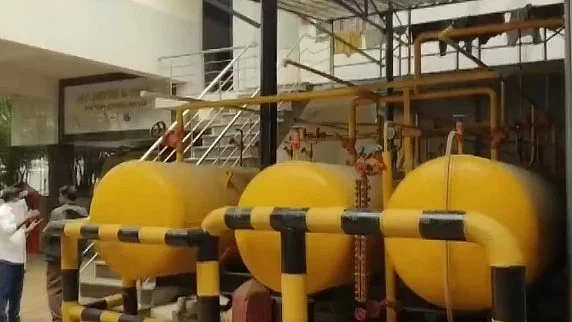
The death toll from an ammonia gas leak at a shrimp processing unit in Tamil Nadu's Tiruvallur district rose to five on Monday, as the state government ordered an inquiry and launched inspections of hazardous industries across the state. The incident, which occurred at a facility in Periyapalayam, has left 67 people under treatment at various hospitals, according to a health department bulletin issued on Monday morning.
How the ammonia leak unfolded at the Periyapalayam shrimp unit
The gas leak was reported on Sunday at the processing facility, triggering a swift response from local authorities. Three additional deaths were reported overnight, taking the total number of fatalities to five. The Hindu reported that two workers who died shortly after the leak were identified as Jumani Juang and B. Malothi, both migrant labourers from Odisha. The victims were among the workforce at the unit, which processes shrimp for domestic and export markets.
Why this industrial accident matters for Tamil Nadu's safety standards
The incident has raised serious questions about safety protocols at industrial units handling hazardous chemicals like ammonia. Ammonia is commonly used as a refrigerant in seafood processing plants, but leaks can be deadly if not managed properly. The state government's decision to launch inspections of hazardous industries across Tamil Nadu signals a broader concern about workplace safety in the region, which has a significant seafood processing sector employing thousands of migrant workers.
Timeline of the Tiruvallur gas leak tragedy
On Sunday, an ammonia leak was reported at the shrimp processing unit in Periyapalayam, Tiruvallur district. Two workers died shortly after the leak, and over 60 others were hospitalised. By Monday morning, the death toll had risen to five, with 67 people still under medical care. Police arrested the proprietor of the company and the factory manager as part of the investigation. The state government has ordered a formal inquiry into the incident.
Who are the victims of the Periyapalayam ammonia leak
The deceased workers, Jumani Juang and B. Malothi, were migrant labourers from Odisha, highlighting the vulnerability of interstate migrant workers in hazardous industries. Many workers in Tamil Nadu's seafood processing plants come from other states, often working in conditions with limited safety training or protections. The loss of life has sparked grief and anger among local communities and labour rights groups.
Tamil Nadu government's response and inquiry into the gas leak
The state government has ordered a comprehensive inquiry into the incident, with officials stating that inspections of all hazardous industries in Tamil Nadu will be conducted. The arrests of the company's proprietor and factory manager indicate that authorities are pursuing legal action against those responsible for safety lapses. The government has also assured medical care for the 67 hospitalised workers.
What caused the ammonia leak at the shrimp processing unit
While the exact cause of the leak is under investigation, ammonia leaks in seafood processing plants often result from equipment failure, inadequate maintenance, or human error. The use of ammonia as a refrigerant is common in the industry, but requires strict safety protocols, including regular inspections, proper ventilation, and emergency response plans. The inquiry will likely examine whether these protocols were followed at the Periyapalayam unit.
Confirmed facts vs what remains unclear about the Tiruvallur gas leak
Confirmed facts: Five people have died, 67 are hospitalised, the leak occurred at a shrimp processing unit in Periyapalayam, Tiruvallur district, the proprietor and factory manager have been arrested, and the state government has ordered an inquiry. What remains unclear: The exact cause of the leak, whether safety violations occurred, the full identity of all victims, and the long-term health impact on hospitalised workers. All speculation about the cause should be treated as unconfirmed until the inquiry report is released.
Why this company's operations are under scrutiny
The shrimp processing unit, whose proprietor has been arrested, is part of Tamil Nadu's significant seafood processing industry. The sector relies on migrant labour and uses ammonia-based refrigeration systems. The company's safety record, maintenance practices, and compliance with industrial safety regulations will now be under intense scrutiny. The incident raises questions about the enforcement of safety standards across similar units in the state.
Risks and concerns for industrial safety in Tamil Nadu
The ammonia leak highlights systemic risks in industries handling hazardous chemicals. Critics argue that safety inspections are often inadequate, and migrant workers are particularly vulnerable due to language barriers and lack of safety training. The state government's inspection drive may reveal similar lapses at other units. There are also concerns about the adequacy of emergency response systems in industrial areas.
Wider pattern of industrial accidents in India's seafood processing sector
This is not an isolated incident. Ammonia leaks have been reported at seafood processing plants in other parts of India, including Andhra Pradesh and Kerala. The industry's reliance on ammonia as a refrigerant, combined with often lax enforcement of safety norms, creates a recurring risk. The Tiruvallur tragedy could prompt a nationwide review of safety standards in the sector.
What workers and local residents should do after the ammonia leak
Workers at similar units should be aware of ammonia leak symptoms, including eye irritation, breathing difficulty, and skin burns. They should report any unusual smell or equipment issues to supervisors immediately. Local residents near industrial areas should familiarise themselves with emergency evacuation routes and keep windows closed during any reported leak. The state government's helpline for affected families should be used for medical and legal assistance.
What happens next after the Tiruvallur gas leak tragedy
The inquiry will determine the exact cause of the leak and assign responsibility. The arrested proprietor and manager will face legal proceedings. The state government's inspection drive across hazardous industries will likely lead to temporary closures or safety upgrades at other units. The hospitalised workers' recovery will be monitored, and compensation for the victims' families is expected. The incident may also lead to stricter regulations for ammonia use in food processing.
Our Take
The Tiruvallur ammonia leak is a grim reminder of the human cost of industrial negligence. While the state government's swift response and arrests are welcome, the tragedy underscores the need for proactive safety enforcement, not just reactive measures. Migrant workers, who form the backbone of such industries, deserve better protection. The inquiry must be thorough and transparent, and its recommendations must be implemented across the sector to prevent future loss of life.
Frequently Asked Questions
What caused the ammonia leak at the shrimp processing unit in Tamil Nadu?
The exact cause is under investigation. Ammonia leaks in seafood plants often result from equipment failure, poor maintenance, or human error. The state government has ordered an inquiry to determine the specific cause.
How many people died and were hospitalised in the Tiruvallur gas leak?
Five people have died and 67 remain hospitalised after the ammonia leak at the shrimp processing unit in Periyapalayam, Tiruvallur district. The death toll rose overnight from two to five.
Who has been arrested in connection with the ammonia leak?
Police have arrested the proprietor of the company and the factory manager. They are being investigated for potential safety violations leading to the leak.
What is ammonia and why is it used in shrimp processing plants?
Ammonia is a colourless gas with a pungent smell, commonly used as a refrigerant in seafood processing plants. It is effective for cooling but can be toxic and deadly if leaked in enclosed spaces.