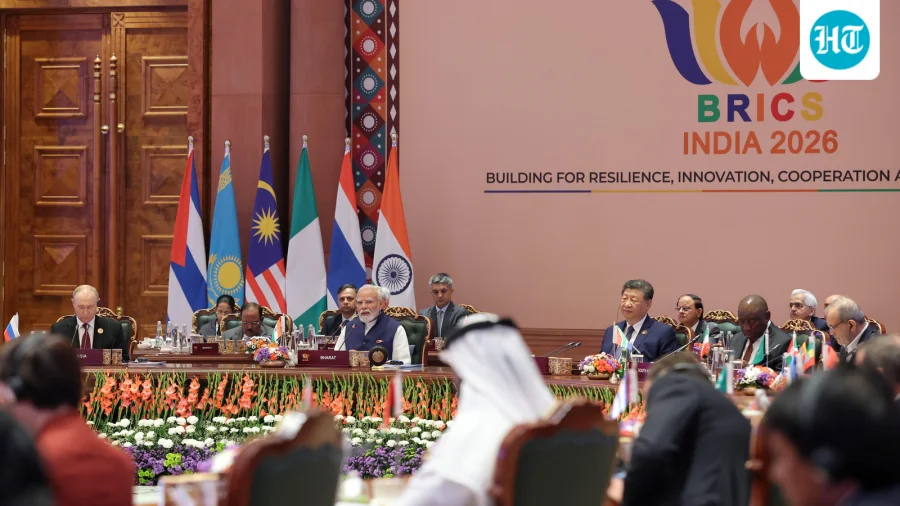
Within hours of the BRICS Summit concluding, a new wave of misinformation swept across social media — claiming that several world leaders had fallen ill. On [date], the Ministry of External Affairs stepped in to shut it down, calling the reports outright false.
MEA's Fact-Check Unit Flags "Malicious" Posts
In a post on X, the MEA's official fact-checking unit cautioned against what it described as "malicious" social media posts claiming that world leaders fell sick after attending the BRICS Summit. The unit did not name specific accounts but made clear that the claims had no basis in fact.
The ministry's intervention was swift — a signal that New Delhi is treating the spread of such rumours with seriousness, especially when they touch on India's international engagements.
Why a Rumour About Leaders' Health Travels So Fast
Health rumours about public figures are among the most viral forms of misinformation. They exploit a simple gap: people rarely have direct access to leaders' medical information, so speculation fills the void.
When the setting is a high-profile diplomatic summit — with dozens of heads of state in one place — the stakes rise. A single unverified post can snowball into international headlines within hours.
How the Claim Spread Before the Denial
The exact origin of the viral posts remains unclear. What is known is that the claims circulated on social media platforms in the days following the BRICS Summit, gaining traction before the MEA's fact-check unit issued its denial.
The ministry's response followed its established pattern of monitoring and rebutting misinformation linked to official events.
Who This Affects — and Why It Matters Beyond Diplomacy
For ordinary citizens, such rumours can create unnecessary panic or confusion about India's international standing. For the government, unchecked misinformation can undermine the credibility of its diplomatic messaging.
For the leaders falsely named, the impact is personal — unverified health claims can cause alarm among their families, governments, and citizens back home.
MEA's Clear Message: Verify Before You Share
The MEA's fact-checking unit urged the public to rely on official channels and avoid amplifying unverified content. The ministry has consistently used its X account to debunk false claims, and this case fits that pattern.
Officials have not indicated whether any legal action will follow against those who originated the posts.
What We Know — and What Remains Unclear
Confirmed: The MEA has publicly denied the illness claims and labelled them malicious. No world leader has been reported ill by any official source.
Unclear: The identity of the original posters, their motives, and whether the claims were coordinated or organic. The MEA has not released further details.
The Bigger Problem: Misinformation Around Global Summits
This is not an isolated incident. Diplomatic summits — with their high visibility and tight security — have increasingly become targets for online misinformation. From false reports of walkouts to fabricated quotes, the pattern is consistent.
The speed of social media means that even a swift official denial may not fully undo the damage. By the time corrections circulate, the original false claim has often already reached millions.
What Readers Should Do
If you encounter posts claiming world leaders fell ill after the BRICS Summit, treat them as unverified unless confirmed by the MEA or another official government source. Before sharing, check whether the claim appears on the MEA's official X handle or its fact-check unit's posts.
Sharing unverified health claims — even with good intentions — can amplify harm.
What Happens Next
The MEA is expected to continue monitoring social media for misinformation tied to the BRICS Summit and other diplomatic events. Whether platforms will take independent action against the accounts that spread the false claims remains to be seen.
For now, the official position is unambiguous: the reports are fake.
Our Take
The MEA's rapid denial is a reminder that in the age of instant sharing, official fact-checks are necessary but not always sufficient. The real test is whether the public pauses before hitting "share." This incident shows how quickly a baseless claim can gain traction — and how important it is for authoritative voices to step in fast.
Frequently Asked Questions
Did any world leader actually fall sick after the BRICS Summit?
No. The MEA's fact-checking unit has explicitly denied these reports, calling them malicious and false. No official source has confirmed any illness.
What did the MEA say about the viral posts?
In a post on X, the MEA's fact-checking unit cautioned against "malicious" social media posts claiming world leaders fell sick after the BRICS Summit.
Where did the rumours originate?
The origin of the viral posts is not yet clear. The MEA has not named any specific accounts or sources behind the claims.
How can I verify news about the BRICS Summit?
Rely on official channels — the MEA's X handle, PIB releases, and statements from recognised news agencies. Avoid sharing unverified posts, especially those making health claims about public figures.