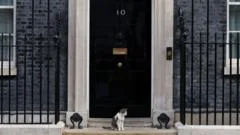
The discovery of a fake listing for 10 Downing Street — the British Prime Minister's official residence — on Booking.com has triggered sharp criticism from a consumer group, which has now labelled the platform "unfit." The incident, though quickly resolved, has reopened uncomfortable questions about how much scrutiny online travel giants actually apply to the properties they publish.
How a Fake Listing for the PM's Residence Slipped Through
The listing appeared on Booking.com, offering what appeared to be the iconic address at the heart of British political power. It is unclear how long the listing was live or whether anyone attempted to book it. The consumer group's assessment was blunt: a platform that allows such an obvious fake to go live cannot be considered reliable for travellers making real decisions.
Why This Matters for Everyday Travellers
For millions of Indians and global travellers who use Booking.com for hotels, homestays, and apartments, this is not a trivial story. If a property as conspicuous as 10 Downing Street can slip through, what about less obvious fakes — non-existent apartments, misrepresented rooms, or listings with stolen photos? The incident strikes at the core of trust that online travel agencies depend on.
The Timeline: From Listing to Removal
Booking.com responded by calling the episode a "limited test" and insisted it was "not a true reflection of the experience of millions of listings or reviews." The company removed the listing after it was flagged. However, the consumer group's "unfit" verdict suggests the damage to credibility may run deeper than a single removed post.
Who Is Affected by This Trust Gap
The people most affected are not just potential guests who might fall for a scam. Property owners who list legitimately on the platform also suffer when trust erodes. And travellers who rely on reviews and verified listings to plan family holidays, business trips, or budget stays are left wondering how much they can actually rely on what they see.
What Booking.com Says in Its Defence
Booking.com has defended its overall record, pointing to the scale of its operations and the millions of successful bookings handled daily. The company's framing of the incident as a "limited test" appears designed to contain the reputational damage. But the consumer group's language — calling the platform "unfit" — suggests it sees this as part of a broader pattern rather than an isolated glitch.
What This Episode Really Reveals About Online Listings
At its core, this is a story about verification gaps. Online platforms that aggregate third-party listings face an inherent challenge: how do you screen every property, every host, and every photo before it goes live? The 10 Downing Street fake is a stark reminder that automated checks and manual reviews are not always enough to catch deliberate attempts to game the system.
Confirmed Facts vs What Remains Unclear
What is confirmed: a fake listing for 10 Downing Street appeared on Booking.com; the consumer group called the platform "unfit"; and Booking.com described the incident as a "limited test." What remains unclear: who created the listing, why it was created, and whether any user actually attempted to book it. These details have not been publicly disclosed.
Booking.com's Business Model and Why Verification Is Hard
Booking.com operates on a marketplace model — it does not own most of the properties it lists. This allows it to offer an enormous inventory, but it also means the platform depends on hosts to provide accurate information. The challenge is balancing scale with safety. Stricter verification could slow down listing approvals; looser checks risk exactly the kind of embarrassment seen here.
The Risks and the Balanced View
Critics will argue that one fake listing does not invalidate a platform used by millions. Supporters of the consumer group will counter that the very existence of such a listing shows systemic weakness. Both views have merit. The real question is whether Booking.com can demonstrate that it has learned from this episode and tightened its processes going forward.
A Wider Pattern Across Online Travel Platforms
Booking.com is not alone in facing listing integrity issues. Across the online travel industry, reports of fake properties, misleading photos, and fraudulent hosts have surfaced periodically. This incident fits into a broader conversation about how much responsibility platforms should bear for content they did not create but profit from.
What Travellers Should Do Right Now
For travellers, the practical takeaway is caution. Before booking, cross-check property details on multiple platforms, read recent reviews carefully, and be wary of deals that seem too good to be true. For hosts, the episode is a reminder that platform reputation affects everyone who relies on it. For Booking.com, the path forward involves demonstrating concrete changes, not just explanations.
What Could Happen Next
The consumer group's "unfit" label may escalate into formal complaints or regulatory pressure. Booking.com may respond with enhanced verification measures or more transparent reporting on how it handles flagged listings. The coming weeks will show whether this incident becomes a footnote or a turning point for how online travel platforms approach trust.
Our Take
This story matters because it touches the fundamental promise of online travel platforms: that what you see is what you get. A fake listing for 10 Downing Street is almost absurd in its audacity, but it is precisely that absurdity that makes it a powerful symbol. If a platform cannot catch the most obvious fake, travellers are right to wonder what else it might be missing. The consumer group's strong language may be harsh, but it reflects a legitimate anxiety that platforms must address with action, not just words.
Frequently Asked Questions
Was the fake 10 Downing Street listing on Booking.com real?
Yes, a listing for 10 Downing Street appeared on Booking.com. The company confirmed it was a "limited test" and removed it after it was flagged. The consumer group called the platform "unfit" in response.
Why did the consumer group call Booking.com 'unfit'?
The consumer group used the term "unfit" because a fake listing for such a well-known address slipped through the platform's verification process. They argue this shows Booking.com cannot reliably protect travellers from fraudulent listings.
Has Booking.com removed the fake listing?
Yes, Booking.com removed the listing after it was flagged. The company described the incident as a "limited test" and said it was not a true reflection of the experience of millions of listings or reviews.
Should travellers be worried about fake listings on Booking.com?
While this incident is concerning, Booking.com handles millions of bookings daily. Travellers should remain cautious, cross-check property details, read recent reviews, and report any suspicious listings to the platform.