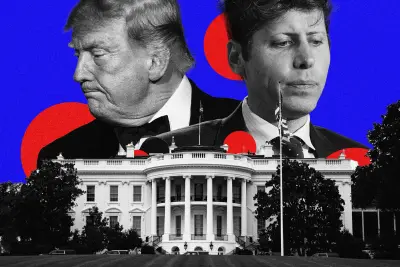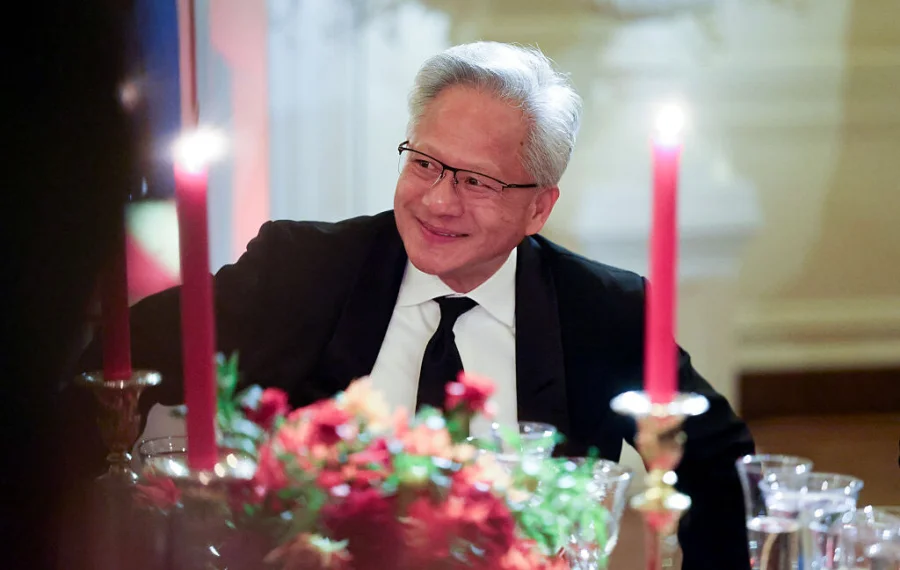
While Washington and Beijing publicly traded little more than a two-month extension of an already fragile trade truce, something quieter was moving underneath. China is reportedly weighing whether to let its largest AI companies import millions more of Nvidia's banned chips over the next year — a decision that could matter far more to the AI industry than anything said on stage at the Trump-Xi summit.
A Summit That Changed Little — Except in the Background
On its face, the meeting between Donald Trump and Xi Jinping did not shift the world of AI regulation. Export controls were not on the agenda, and neither side appeared interested in concessions.
Yet sources familiar with China's internal discussions told The Information that Beijing's tech overseers are now considering relaxing controls to allow some of its biggest AI firms to import more of Nvidia's restricted chips. That detail, buried beneath the diplomatic headlines, is where the real story sits.
Why a Chip Import Decision Matters More Than a Trade Truce
Nvidia's most advanced AI chips have been the centerpiece of US efforts to slow China's AI progress. Any loosening on Beijing's side — even a partial one — would effectively reopen a market that US policy was designed to close.
For Nvidia, that is a commercial opening worth billions. For policymakers in Washington, it raises an uncomfortable question: is the company benefiting from a policy environment it is also trying to shape?
How the Story Developed
The Trump-Xi talks produced no breakthrough on export controls. The existing trade truce was extended for just two months — a short leash that analysts say could snap at any moment.
Looming US controls could end the truce entirely, and China has signalled it may retaliate by cutting off rare earth exports, a lever it has used before. Against that backdrop, China's reported willingness to consider Nvidia imports looks less like a concession and more like a calculated hedge.
Who Actually Feels This — and Why It Matters to Them
For Chinese AI companies, access to Nvidia's chips is not a luxury — it is the difference between competing globally and falling behind. For American chipmakers, it is revenue. For workers in both countries, it is the direction of an industry that increasingly defines national power.
And for ordinary readers watching US-China relations, it is a reminder that the most consequential decisions are often the ones never announced at a podium.
What Officials and Analysts Are Saying
Neither the US nor Chinese governments have confirmed any chip-related understanding. The Information's reporting is based on sources familiar with the talks, not official statements.
Analysts expect that if the truce collapses, China's rare earth retaliation could follow quickly — a scenario that would hit far more than semiconductors.
The Deeper Question: Nvidia's Influence in Washington
The concern raised by experts is not simply about chips. It is about whether a company with enormous commercial stakes in US export policy has accumulated too much influence over the officials writing that policy.
Nvidia has publicly opposed strict export controls, arguing they harm American competitiveness. Whether that argument is winning — or whether it is being heard too loudly — is now part of the debate.
Confirmed Facts vs What Remains Unclear
Confirmed: The Trump-Xi summit did not address export controls. The trade truce was extended by two months. China is reportedly considering allowing more Nvidia chip imports.
Unclear: Whether any formal agreement exists, how many chips would be permitted, which Chinese firms would qualify, and what Washington's response would be. All of this remains speculation until confirmed by official sources.
Nvidia's Real Advantage — and Why It Is Hard to Replace
Nvidia's position is not just about chip performance. Its CUDA software ecosystem, years of developer lock-in, and dominance in AI training infrastructure make it extraordinarily difficult for rivals to displace — even when governments try.
That is precisely why China's reported reconsideration matters. You can ban a chip, but replacing the ecosystem around it takes years.
Risks and the Other Side of the Story
Not everyone sees this as a win. Critics argue that allowing more Nvidia chips into China undermines the very export controls meant to slow its AI ambitions. Others warn that Nvidia's lobbying could distort policy in ways that favour one company over national strategy.
There is also the risk that any relaxation is reversed overnight if the truce collapses — leaving Chinese firms and Nvidia alike exposed to whiplash.
A Pattern, Not an Isolated Moment
This is the latest chapter in a longer trend: AI chips have become the central currency of US-China competition, and companies like Nvidia now sit at the intersection of commerce and geopolitics.
Every truce, every control, every exemption now carries strategic weight far beyond the boardroom.
What Readers Should Take Away
If you follow tech or markets, watch for official confirmation from Beijing or Washington — not leaks. If you are an investor, remember that Nvidia's China exposure cuts both ways. If you are simply following the news, understand that the most important developments in this story are happening off-camera.
What Could Happen Next
China could formalise the import relaxation, or quietly shelve it. The US could tighten controls, triggering retaliation. Or the two-month truce could simply expire, returning both sides to a familiar standoff.
None of these outcomes is certain. What is certain is that Nvidia will remain at the center of whichever one unfolds.
Our Take
This story is not really about a chip deal. It is about who gets to shape the rules of AI competition — governments, or the companies that have become too important to ignore. Nvidia's China sales are the symptom. The influence question is the disease, and nobody has yet offered a cure.
Frequently Asked Questions
Is China actually allowing Nvidia chip imports again?
Not confirmed. Reports say China is considering relaxing controls, but no official decision has been announced by Beijing or Washington.
Why are experts worried about Nvidia's influence over Trump?
Because Nvidia has major commercial interests in US export policy, and critics fear that could shape decisions in ways that favour the company over broader national strategy.
What happens if the US-China trade truce collapses?
Analysts expect China could retaliate by cutting rare earth exports, which would affect far more than semiconductors.
Does this mean Nvidia is winning the export control fight?
Not necessarily. The situation is fluid, the truce is short, and any relaxation could be reversed quickly if tensions rise again.