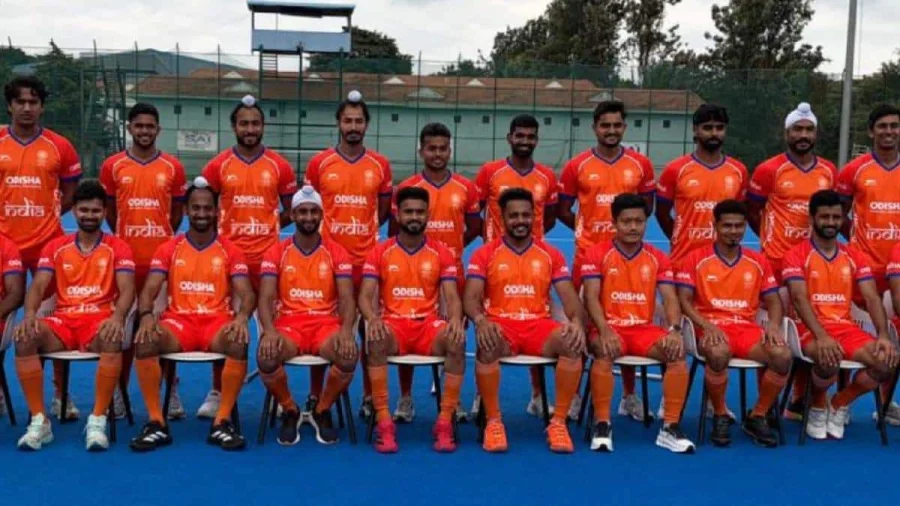
The Indian hockey team's iconic blue jersey has been a symbol of pride on the international stage for decades. Now, a quiet decision to swap that blue for saffron has ignited a political firestorm, with one of the country's most influential sports patrons calling it a step too far.
Patnaik's Emotional Response To Jersey Switch
Former Odisha Chief Minister Naveen Patnaik took to his official X handle to express his distress over the uniform change. The BJD president did not mince words, describing the alteration as "petty politics of the worst kind" and stating he was "deeply anguished" by the development.
Patnaik's connection to Indian hockey runs deep. Odisha, under his leadership, has been a steadfast sponsor and supporter of the national teams, hosting major tournaments and investing heavily in grassroots development.
Why The Blue Jersey Holds Special Significance
For generations of players and fans, the blue jersey has been more than just sportswear. It represents the team's identity on the world stage, a colour associated with the Indian tricolour's centre wheel and the nation's sporting heritage.
The shift to saffron, introduced ahead of the FIH Men's and Women's Hockey World Cups in the Netherlands and Belgium, has raised questions about whether sporting identity is being altered for political messaging rather than athletic reasons.
Timeline: How The Jersey Controversy Unfolded
The uniform change was announced quietly in the lead-up to the international tournaments. Initial reactions were muted, but Patnaik's public statement has brought the issue into sharp focus, forcing a national conversation about the intersection of sports and politics.
As the story gained traction, sports enthusiasts and political observers began weighing in, with many drawing parallels to similar controversies in other sports where kit changes sparked public debate.
Who Is Affected By This Decision
Beyond the players who will wear the new kit, this decision impacts millions of hockey fans who identify with the team's traditional look. Young athletes who grew up aspiring to wear the blue jersey now face an uncertain visual future for their national team.
For Odisha, a state that has poured resources into hockey development, the change feels particularly personal. The state's association with the sport has been built alongside the team's blue-clad identity.
Official Reactions And Political Fallout
Patnaik's statement has amplified what was previously a simmering discussion. His position as a former chief minister and a key figure in Indian hockey's revival gives his words considerable weight in both sporting and political circles.
While no official response has yet come from the hockey federation or the sports ministry regarding Patnaik's criticism, the debate shows no signs of cooling down.
Analysing The Politics Behind The Colour Change
The decision to introduce saffron into the national team's kit cannot be viewed in isolation. Saffron holds deep cultural and political symbolism in India, and its introduction into a traditionally blue uniform has inevitably been interpreted through a political lens.
Critics argue that such changes risk alienating fans who see the jersey as apolitical. Supporters of the change, however, may view it as an assertion of cultural identity on the global stage.
Confirmed Facts vs What Remains Unclear
Confirmed: Naveen Patnaik has publicly criticised the jersey colour change and expressed deep anguish. The new saffron jersey is set to be used at the upcoming FIH World Cups.
Unclear: The specific decision-making process behind the colour change, who authorised it, and whether any reversal is being considered remain unconfirmed. The full extent of public and political reaction is still unfolding.
Odisha's Legacy With Indian Hockey
Odisha's partnership with Indian hockey has been transformative. The state has hosted the Hockey World Cup and Pro League matches, and its investment has helped revive the sport's fortunes in the country.
Patnaik's personal investment in this relationship makes his criticism particularly notable. His statement suggests a feeling of betrayal over a decision made without, what he implies, adequate consultation or respect for tradition.
Risks And Balanced View On The Jersey Debate
Those defending the change might argue that jersey colours evolve and that saffron represents national pride. They may see the controversy as overblown and rooted in political point-scoring rather than genuine sporting concern.
On the other hand, Patnaik's supporters view this as an unnecessary politicisation of sport. The risk for hockey administrators is that a simple kit change becomes a lasting distraction from the team's preparations for major tournaments.
Wider Trend: Politics Entering Indian Sports
This controversy fits a broader pattern of political symbolism entering Indian sports. From stadium renamings to kit designs, the lines between national representation and political messaging have become increasingly blurred in recent years.
Hockey, with its deep historical roots in India, is particularly sensitive to such changes. The sport's administrators may need to navigate this terrain carefully to avoid alienating its passionate fan base.
What Fans And Players Should Know Now
For fans, the immediate takeaway is that the team will likely take the field in the new saffron jersey at the upcoming World Cups. Those who wish to voice their opinion can do so through official channels and public discourse.
Players, meanwhile, will focus on their preparations. The colour of the kit, while symbolically important, does not change the fundamental task of competing at the highest level of international hockey.
Future Outlook: Will The Jersey Change Stick
Whether the saffron jersey becomes a permanent fixture or a temporary experiment remains to be seen. Much will depend on the team's performance and the intensity of public reaction.
If the backlash continues to grow, hockey authorities may face pressure to revert to the traditional blue. If the debate fades, the saffron jersey could become the new normal, with future generations knowing no other colour.
Our Take
This controversy is about more than a piece of clothing. It touches on questions of identity, tradition, and the role of politics in sport. Naveen Patnaik's intervention has ensured that these questions cannot be ignored.
At its core, this is a story about respect — respect for a team's heritage, for the fans who support it, and for the sporting values that transcend political messaging. The hockey authorities would do well to listen to that sentiment.
Frequently Asked Questions
Why did Naveen Patnaik criticise the Indian hockey jersey colour change?
Naveen Patnaik criticised the decision to change the Indian hockey team's jersey from blue to saffron, calling it "petty politics of the worst kind." He expressed deep anguish over what he sees as an unnecessary politicisation of the team's traditional identity.
When will the Indian hockey team wear the new saffron jersey?
The saffron jersey is expected to be introduced ahead of the FIH Men's and Women's Hockey World Cups scheduled in the Netherlands and Belgium. The exact match dates will determine when the new kit is first worn in competitive action.
What is the significance of the blue jersey in Indian hockey?
The blue jersey has been the Indian hockey team's traditional colour for decades, representing the team's identity on the international stage. It is associated with the tricolour's centre wheel and has become iconic among generations of players and fans.
Has there been any official response to Patnaik's criticism?
As of now, no official response has been confirmed from the hockey federation or the sports ministry regarding Patnaik's statement. The situation continues to develop as reactions pour in from across the sports and political spectrum.