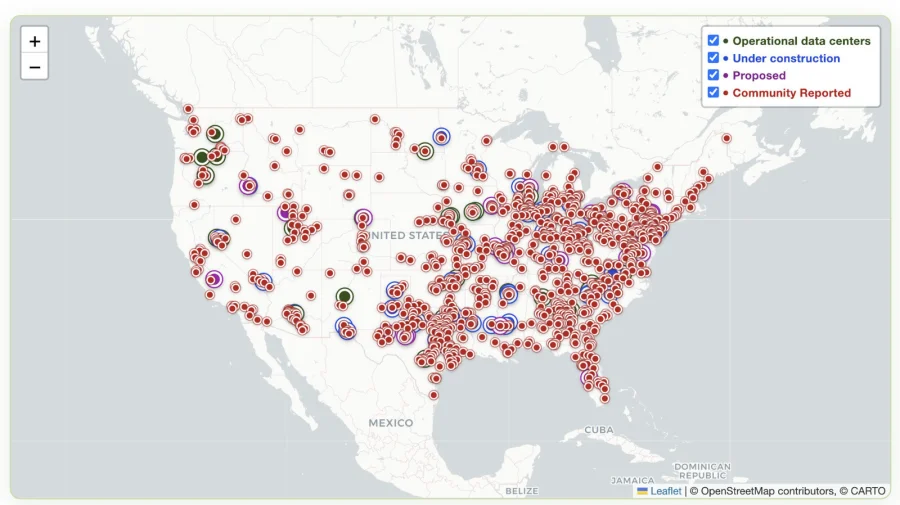
Environmental activist Erin Brockovich — the woman who took on Pacific Gas and Electric in a landmark case that inspired a Hollywood film — is now turning her attention to a new front: the rapid expansion of AI data centers across America. And she's asking everyday citizens to help her map the problem.
Brockovich has launched a new crowdsourced initiative called the Brockovich Data Center Reporting Map, a platform where people can report concerns about AI data centers being built in their neighborhoods. The project, accessible at brockovichdatacenter.com, aims to give communities "a platform to speak up and voice concerns about AI data centers," according to the activist's social media announcement.
Why This Matters Right Now
The AI boom has triggered an unprecedented construction spree of massive data centers across the United States. These facilities — which power everything from ChatGPT to Google searches — require enormous amounts of electricity and water. Communities near proposed or operational data centers have raised concerns about noise pollution, water usage, strain on local power grids, and environmental impact.
Brockovich's map arrives at a moment when these concerns are reaching a boiling point. In some towns, data centers have been welcomed for the jobs and investment they bring. In others, they've been delayed, contested, or abandoned altogether due to community opposition. The map aims to capture this real-world tension in real time.
How the Crowdsourced Map Works
The Brockovich Data Center Reporting Map is designed to be simple and accessible. Anyone can visit the website and submit a report about a data center in their area. The platform asks users to provide details about the location, the nature of their concern — whether it's environmental, health-related, noise, water usage, or something else — and any supporting documentation.
"The RACE to build AI infrastructures is unfolding town by town across America," the website states. "In some places, data centers are welcomed. In others, they are delayed, contested or abandoned altogether. This MAP captures the real-world footprint of that race — revealing patterns of growth, conflict and uncertainty."
The initiative is described as a "Community Awareness Initiative" that encourages people to "Report. Engage. Protect."
Who Is Affected and What Officials Are Saying
The map directly impacts residents living near proposed or existing data centers. These communities often feel they have little say in decisions that affect their water supply, electricity costs, and quality of life. Brockovich's platform gives them a centralized place to document their experiences and concerns.
While no official government response has been issued yet, the initiative has already drawn attention from environmental groups and community organizers who have been fighting data center projects in their areas. The map could potentially serve as a tool for policymakers, journalists, and researchers to understand the real-world impact of AI infrastructure expansion.
"I am watching as YOU, the communities show up and speak out. In the famous words of Mark Twain..." — Erin Brockovich, via the Brockovich Data Center website
What We Know So Far — and What Remains Unclear
What we know: Erin Brockovich has launched a crowdsourced map at brockovichdatacenter.com. The platform allows users to submit reports about AI data centers. The initiative is focused on the United States. Brockovich announced the project on Instagram, asking Americans for help.
What remains unclear: How many reports have been submitted so far. Whether the data will be made publicly available or used for advocacy purposes. How the map will be maintained and verified. Whether any government agencies or organizations have partnered with the initiative. The long-term goals of the project beyond data collection.
Risks, Concerns, and the Balanced View
While the initiative has been praised by environmental advocates, some questions remain about its execution. Crowdsourced data can be difficult to verify, and there's a risk of duplicate or inaccurate reports. Critics might argue that the map could fuel unnecessary alarm about data centers that are already subject to environmental regulations.
On the other hand, supporters point out that data center construction has often outpaced community input and environmental review. The map could provide valuable grassroots data that complements official environmental impact assessments.
It's also worth noting that data centers are not inherently harmful. Many companies are investing in renewable energy and water-efficient cooling technologies. However, the scale and speed of current construction — driven by the AI boom — has raised legitimate questions about sustainability and community impact.
Why Similar Concerns Are Growing Nationwide
The Brockovich map taps into a broader trend of community resistance to data center development. In recent months:
- Several towns in Virginia have pushed back against proposed data centers, citing concerns about water usage and noise pollution.
- Communities in Arizona and Oregon have raised alarms about the strain data centers place on local power grids.
- Environmental groups have filed lawsuits challenging data center permits in multiple states.
The AI industry's insatiable demand for computing power shows no signs of slowing down. According to industry reports, global data center electricity consumption could double by 2030. This makes Brockovich's timing particularly significant — the map could become a crucial tool for tracking the real-world consequences of this growth.
What Readers, Communities, and Activists Should Know Now
If you live near a proposed or existing data center and have concerns, here's what you can do:
- Visit brockovichdatacenter.com to submit a report.
- Document your concerns with photos, videos, or written descriptions.
- Share the initiative with neighbors and local community groups.
- Attend local planning board meetings where data center permits are discussed.
- Contact local elected officials to express your concerns.
For those who support data center development, the map also offers an opportunity to share positive experiences and demonstrate how facilities can coexist with communities.
What Could Happen Next
The Brockovich Data Center Reporting Map is still in its early stages. If it gains traction, it could become a significant resource for environmental advocacy, journalism, and policy research. The data collected could influence local zoning decisions, state regulations, and even federal oversight of data center development.
Brockovich has a track record of turning grassroots campaigns into national movements. Her 1990s case against PG&E became a landmark environmental victory and inspired the Oscar-winning film "Erin Brockovich." While the data center map is a different kind of project, it shares the same DNA: giving ordinary people a tool to hold powerful interests accountable.
Our Take: Why This Story Matters Beyond One Map
This isn't just about data centers. It's about who gets to decide how technology shapes our communities. The AI revolution is being built on physical infrastructure — concrete, steel, water, and electricity — that affects real people in real places. Too often, those people have no voice in the process.
Brockovich's map is a reminder that technology doesn't exist in a vacuum. Every AI chatbot response, every generated image, every automated decision relies on data centers that consume resources and impact neighborhoods. By giving communities a platform to speak up, Brockovich is asking a fundamental question: who benefits from AI, and at what cost?
The answer, as her map will show, varies from town to town. But the conversation itself is long overdue.
FAQs
What is the Erin Brockovich AI data center map?
The Brockovich Data Center Reporting Map is a crowdsourced platform where Americans can report concerns about AI data centers in their communities. It was launched by environmental activist Erin Brockovich and is available at brockovichdatacenter.com.
How can I report a data center concern on the map?
Visit brockovichdatacenter.com and submit a report with details about the data center location, the nature of your concern (environmental, health, noise, water usage, etc.), and any supporting documentation.
Why did Erin Brockovich create a data center map?
Brockovich created the map to give communities a platform to voice concerns about the rapid expansion of AI data centers. She believes the AI infrastructure buildout is happening "town by town across America" and wants to capture the real-world impact.
Is the data from the Brockovich map publicly available?
As of now, the full scope of data sharing has not been detailed. The initiative is described as a "Community Awareness Initiative" focused on reporting and engagement. Users should check the website for updates on data accessibility.