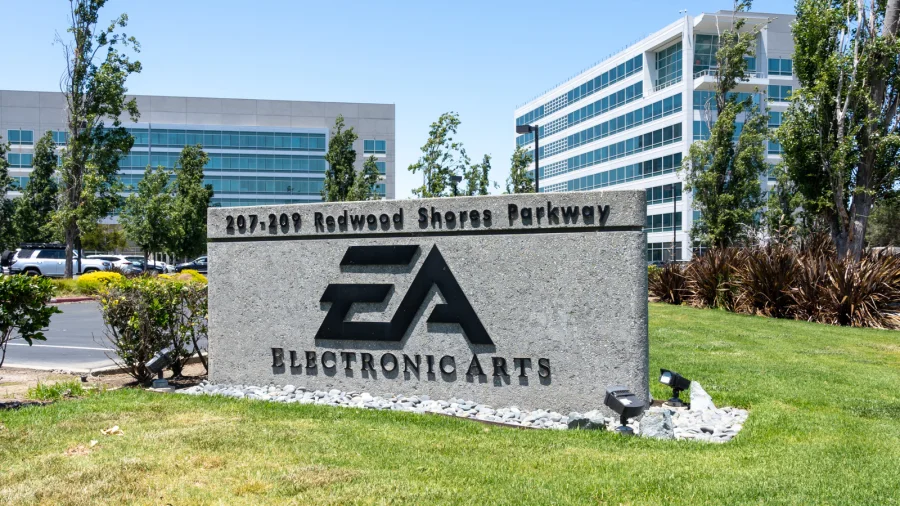
The wait is almost over. Electronic Arts, one of the biggest names in gaming, has confirmed it will become a private company by August 4. The $55 billion deal that has been in the works is now days from completion, and the ripple effects could touch everything from game development to how investors view the industry.
A Landmark Deal Reaches Its Final Chapter
Electronic Arts announced that its transition to a private company will close next week, ending its decades-long presence on public stock markets. The deal, valued at $55 billion, represents one of the largest take-privates in gaming history.
For context, EA has been a public company since 1989. Its games — from FIFA to Madden to The Sims — have defined sports and simulation gaming for generations. Now, the company is stepping away from the quarterly earnings cycle that has shaped its decisions for over three decades.
Why This Move Matters Beyond the Boardroom
Going private changes the fundamental pressures on a company. Public companies face constant scrutiny from shareholders demanding growth every quarter. Private companies can take longer-term bets without that pressure.
For gamers, this could mean fewer rushed releases and more time spent polishing titles before launch. For employees, it could shift how bonuses and incentives are structured. For the industry, it signals that even the biggest players see value in escaping public market volatility.
The Road to August 4: How We Got Here
The deal has been in motion for months, with negotiations and regulatory reviews shaping its final form. The $55 billion price tag reflects EA's massive portfolio of intellectual property and its loyal player base across sports, simulation, and action genres.
Reports indicate that the transaction received the necessary approvals to proceed. The company's statement confirming the August 4 closure suggests all remaining hurdles have been cleared.
What Changes for the People Who Play
For the millions of players who log into EA titles daily, the immediate experience won't change. Servers will stay up, games will continue to receive updates, and live service titles like Apex Legends and FC will keep running.
But the long-term picture could look different. Private ownership often leads to restructuring, new leadership priorities, and shifts in which projects get funded. Some analysts believe EA could become more aggressive in acquiring smaller studios or investing in new technologies without public market constraints.
Leadership and Ownership: Who's in Charge Now
The company has not detailed specific leadership changes beyond the ownership transition. What is clear is that the new private owners will have significant control over EA's strategic direction.
Industry observers will be watching whether the current management team stays intact or if new leadership brings a different vision. The company's statement did not address executive changes, leaving that question open.
Reading Between the Lines: What This Deal Really Means
The move to go private is a statement about the gaming industry's evolution. Public markets have become increasingly impatient with the long development cycles and high-risk nature of game production. A bad launch can wipe out billions in market value overnight.
By going private, EA is betting that patient capital will serve its business better than the relentless pressure of quarterly reporting. It's a calculated gamble that could either unlock creative freedom or isolate the company from public accountability.
Confirmed Facts vs What Remains Unclear
What we know: The deal is valued at $55 billion. It will close by August 4. EA will become a private company.
What remains unclear: The exact ownership structure post-deal, whether leadership will change, and how the company's strategy will shift under private ownership. These details have not been publicly disclosed.
EA's Competitive Position: Why This Company Matters
EA's value lies in its unmatched sports gaming portfolio. The FIFA/FC franchise alone generates billions annually. Madden NFL dominates American football gaming. The Sims has a dedicated following that has lasted over two decades.
Beyond sports, EA owns major studios like BioWare, Respawn Entertainment, and DICE. This ecosystem of studios and franchises creates a moat that competitors have struggled to breach. The company's live service model, while controversial among some players, has proven financially resilient.
Risks and the Other Side of the Story
Going private is not without downsides. The company loses access to public capital markets, which can make future fundraising more complex. Transparency will decrease, as private companies face fewer disclosure requirements.
Critics also point out that private equity ownership often prioritizes cost-cutting over long-term investment. Fans who have criticized EA's monetization practices may worry that private owners could push for even more aggressive revenue strategies.
A Pattern Across the Gaming Industry
EA is not alone in this move. The gaming sector has seen a wave of consolidation and privatization in recent years. Major publishers have been acquired, merged, or taken private as the industry matures.
This trend reflects a broader shift in how the market views gaming companies. The days of high-growth expectations for every publisher are fading, replaced by a focus on sustainable revenue and intellectual property value.
What Should Players and Investors Do Now
For players, the practical advice is simple: keep playing. Your games, accounts, and progress will remain intact. Watch for announcements about future titles and any changes to live service games.
For investors, the window for trading EA stock is closing. Once the deal closes on August 4, shares will be delisted. Anyone holding shares should understand the terms of the buyout and what they mean for their position.
Looking Ahead: The Post-Private Era
The next few months will reveal the direction EA takes under private ownership. Early signals will come from hiring decisions, studio investments, and any restructuring announcements.
One thing is certain: the gaming landscape will look different with EA out of the public markets. Whether that difference is positive or negative will depend on the choices the new owners make.
Our Take
This deal marks a turning point for one of gaming's most recognizable names. EA's decision to go private is both a response to market pressures and a bet on the future of game development.
The real test will come in the years ahead. If private ownership allows EA to take creative risks and build better games, players will benefit. If it leads to cost-cutting and monetization pressure, the backlash could be severe. For now, the industry watches and waits.
Frequently Asked Questions
When will EA become a private company?
Electronic Arts has confirmed it will close its $55 billion deal to go private by August 4. The transaction is in its final stages.
What does EA going private mean for gamers?
In the short term, nothing changes for players. Games will continue to work, and live services will keep running. Long-term, private ownership could shift development priorities and investment decisions.
Will EA stock still be traded after the deal closes?
No. Once the deal closes on August 4, EA shares will be delisted from public stock exchanges. The company will no longer be publicly traded.
Why is EA going private?
Going private removes the pressure of quarterly earnings reports and public shareholder expectations. This allows the company to focus on longer-term strategies without short-term market volatility.