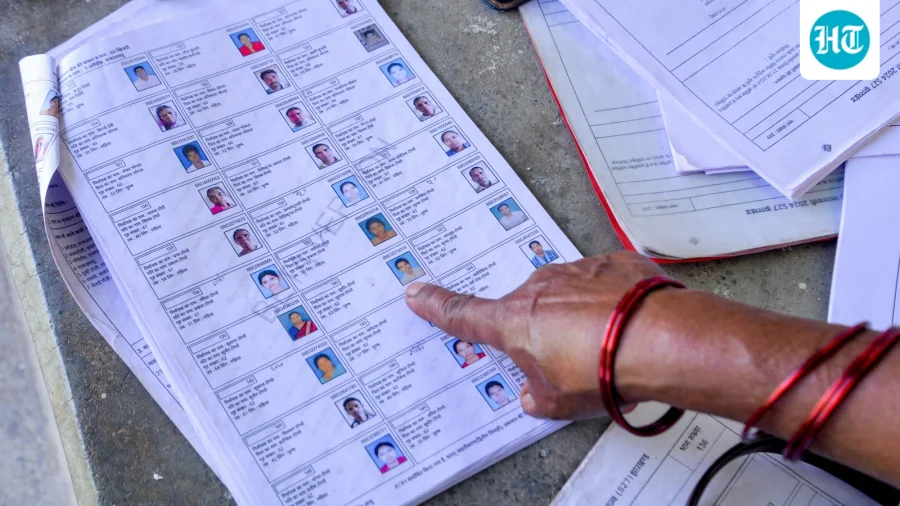
For thousands of Indians who found their names missing from voter lists after the Special Intensive Revision (SIR), the Election Commission's latest announcement may feel like a second chance. The Commission has rolled out a Special Summary Revision (SSR) — a fresh window designed to bring first-time voters into the rolls and, crucially, allow those deleted during SIR to return.
The timing matters. The SIR exercise had triggered outrage across states, with opposition parties and civil society groups alleging that legitimate voters — particularly from marginalised communities — were unfairly struck off. The SSR is being framed as the EC's response to that furore.
What Exactly Is the Special Summary Revision Offering?
The SSR is a structured enrollment drive. It serves two clear purposes: registering eligible first-time voters who have turned 18, and giving a pathway back to those whose names were removed during SIR.
Unlike routine revisions, this exercise is specifically calibrated to address gaps created by the intensive revision. Citizens who believe they were wrongly deleted can reapply through the designated process.
Why This Matters Beyond the Paperwork
A voter ID is not just a document. It is proof of citizenship, access to welfare schemes, and the foundation of political representation. When names vanish from rolls, people lose more than a vote — they lose visibility.
For first-time voters, the SSR is an entry point into democratic participation. For those removed during SIR, it is a chance to reclaim what they say was taken without adequate reason.
How the SIR Controversy Led to This Moment
The SIR process involved a door-to-door verification exercise that flagged and removed names deemed ineligible or duplicate. While the EC maintained it was a cleanup drive, critics pointed to large-scale deletions, procedural gaps, and a lack of transparency.
Reports of eligible voters — including the elderly, daily-wage workers, and residents of remote areas — being dropped added to the political heat. The SSR now emerges as a pressure-release valve.
Who Stands to Benefit Most
Young voters turning 18 or those who missed earlier enrollment windows are direct beneficiaries. So are individuals who were deleted during SIR and have since struggled to get back on the rolls.
For them, the SSR is not an abstract policy — it is the difference between being counted and being invisible in the next election.
What the Election Commission Has Said
The EC has positioned the SSR as an inclusive, corrective measure. Officials have indicated that the exercise is meant to strengthen the rolls rather than shrink them — a direct counter to the criticism that SIR did the opposite.
However, the Commission has not yet released granular state-wise data on how many people were removed during SIR or how many are expected to return through SSR.
Reading Between the Lines of the EC's Move
The SSR is both administrative and political. Administratively, it fixes gaps. Politically, it signals responsiveness to public anger without formally admitting fault in SIR.
For the EC, the challenge is execution. A well-designed process means little if eligible citizens cannot access it — especially in rural areas with limited digital literacy.
Confirmed Facts vs What Remains Unclear
Confirmed: The EC has announced SSR. Its stated goals include enrolling first-time voters and allowing SIR-deleted individuals to return.
Unclear: Exact timelines, state-wise rollout schedules, the total number of people affected by SIR deletions, and whether the SSR will fully reverse those deletions remain unconfirmed.
Risks and the Balanced View
The SSR's success depends on awareness and access. If people don't know about it, or can't reach enrollment centres, the exercise risks becoming a formality.
Critics may also argue that the SSR does not address the root concern — why so many were deleted in the first place. Without systemic reform, similar issues could recur.
A Wider Pattern in Indian Electoral Governance
This is not the first time the EC has had to course-correct after a contentious revision. India's electoral roll management has repeatedly faced scrutiny over accuracy, inclusion, and political neutrality.
The SSR fits into a broader pattern: periodic cleanup drives followed by corrective enrollment exercises. The question is whether this cycle builds trust or erodes it further.
What Voters Should Do Right Now
If you are a first-time voter or were removed during SIR, do not wait. Check your name on the electoral roll via the EC's official portal or your local booth-level officer.
If your name is missing, begin the enrollment or objection process immediately. Keep documents ready — proof of age, address, and identity. Local enrollment camps, when announced, will be the fastest route.
What Could Happen Next
The EC is expected to release detailed schedules and guidelines for SSR in the coming weeks. Political parties will likely monitor the process closely, especially in states heading to polls.
If the SSR is seen as fair and accessible, it could ease tensions. If not, the controversy may simply shift from SIR to SSR.
Our Take
The SSR is a necessary step — but it is a patch, not a cure. It gives affected citizens a way back in, which matters enormously to those individuals. Yet the deeper question of how SIR was conducted, and why so many legitimate voters were removed, remains unanswered.
A democracy is only as strong as its rolls. The EC's credibility now depends less on announcements and more on whether the SSR actually reaches the people who need it most.
Frequently Asked Questions
What is the Special Summary Revision (SSR) announced by the EC?
SSR is a special enrollment drive by the Election Commission to add first-time voters and allow those removed during the SIR process to rejoin the electoral rolls.
Can I reapply if my name was deleted during SIR?
Yes. The SSR provides a formal pathway for individuals removed during SIR to reapply and restore their voter registration, provided they meet eligibility criteria.
Who is eligible for enrollment under SSR?
Indian citizens who have turned 18, first-time voters, and those whose names were deleted during SIR and who believe the deletion was incorrect.
How do I check if my name is on the voter list?
You can check via the Election Commission's official voter portal, the Voter Helpline app, or by contacting your local Booth Level Officer (BLO).