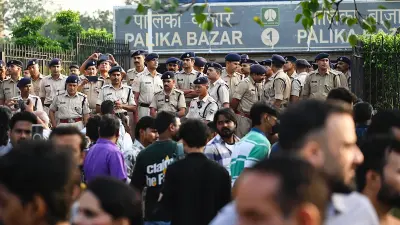
Hundreds of doctors and medical students gathered in Saket on Thursday evening, holding candles and demanding swift justice for the victims of the tragic building collapse that shook the city two days ago. The somber march, which began at the Bada Gurudwara, was a powerful display of grief, solidarity, and anger — as the medical community mourned colleagues and students lost in the disaster.
Medical Community Unites in Grief and Anger After Saket Tragedy
The candle march, organized by medical associations including FAIMA India, saw participants walking silently through the streets of Saket, their candles flickering in the evening air. Many were dressed in white coats, a stark reminder of the lives cut short. The march was not just a tribute — it was a call for accountability. Doctors and students chanted slogans demanding a thorough investigation and swift legal action against those responsible for the building collapse.
Why This Tragedy Hits the Medical Community Hard
The Saket building collapse has sent shockwaves through Delhi's medical fraternity because several of the victims were doctors and medical students. For many participants, the march was deeply personal. "We lost our friends, our colleagues, our future doctors," one medical student told reporters, her voice breaking. "We are here to tell the authorities that we will not let this be forgotten." The tragedy has raised urgent questions about building safety standards and regulatory oversight in the city.
How the Candle March Unfolded in Saket
The march began around 5:00 PM at the Bada Gurudwara in Saket, a location chosen for its significance and accessibility. Participants gathered quietly, many holding photographs of the victims. As the sun set, hundreds of candles were lit, creating a sea of light that moved slowly through the streets. The atmosphere was heavy with emotion — moments of silence were observed, and prayers were offered for the departed souls. The march concluded with a gathering where leaders of the medical community addressed the crowd, reiterating their demand for justice.
Who Was Affected and What the Medical Community Is Saying
The building collapse claimed the lives of several individuals, including at least two doctors and multiple medical students who were residing in the building. The tragedy has left families shattered and the medical fraternity in mourning. Dr. Rohan Krishnan, a prominent figure in the protest, was seen leading the march. "We will remember. We will stand together. We will seek justice," he posted on social media, capturing the sentiment of the gathering. FAIMA India, a national body of medical associations, has called for a high-level inquiry and compensation for the families of the victims.
What We Know So Far — and What Remains Unclear
What is confirmed: A building in Saket collapsed two days ago, resulting in multiple fatalities, including medical professionals and students. The candle march on Thursday was a direct response to this tragedy. What remains unclear: The exact cause of the collapse is still under investigation. Questions are being raised about whether the building had the necessary approvals and whether safety norms were violated. Authorities have not yet made any arrests, and the medical community is demanding transparency in the investigation.
Risks, Concerns, and the Growing Demand for Accountability
The tragedy has exposed deeper concerns about building safety in Delhi, particularly in densely populated areas like Saket. Many buildings in the city operate without proper clearances, and residents often live in unsafe conditions. The medical community's protest is a reflection of a broader public anger. Critics argue that such incidents are not accidents but the result of negligence and corruption. The demand for swift justice is not just about punishment — it is about preventing future tragedies.
Why Similar Tragedies Are Raising Alarm Across Indian Cities
The Saket building collapse is not an isolated incident. In recent years, several building collapses in Delhi-NCR and other Indian cities have claimed lives, highlighting a systemic failure in urban planning and enforcement. From the 2020 Bhiwandi collapse to the 2022 Delhi factory collapse, the pattern is disturbingly familiar: illegal construction, poor materials, and lack of oversight. The medical community's march is part of a growing chorus demanding stricter regulations and accountability.
- The building collapse occurred in Saket, a busy commercial and residential area in South Delhi.
- At least two doctors and several medical students were among the deceased.
- FAIMA India has demanded a judicial inquiry and compensation for victims' families.
- The candle march was organized within 48 hours of the incident, reflecting the urgency of the medical community.
"We will remember. We will stand together. We will seek justice." — Dr. Rohan Krishnan, speaking at the candle march
What Residents and the Public Should Know Now
For residents of Delhi, this tragedy is a stark reminder to remain vigilant about building safety. If you live in an older building or one that appears to have structural issues, report concerns to the local municipal corporation. The medical community has also urged the public to support the families of the victims through verified relief funds. The march in Saket is a call to action for everyone — not just doctors — to demand safer living conditions.
What Could Happen Next in the Investigation
Pressure is mounting on Delhi Police and the municipal authorities to act swiftly. The medical community has threatened further protests if no progress is made. A judicial inquiry is likely to be announced, and arrests may follow as the investigation uncovers the chain of negligence. The families of the victims are expected to file legal cases seeking compensation and criminal charges against the building owner and contractors.
Our Take: Why This Story Matters Beyond One Incident
The candle march in Saket is more than a protest — it is a powerful statement from the medical community that they will not remain silent in the face of preventable loss. These are the same doctors and students who save lives every day. Their demand for justice is a demand for a system that values human life over profit. This story matters because it reflects a growing public intolerance for negligence and a collective demand for accountability. The question now is whether the authorities will listen.
FAQs
Why are doctors and medical students holding a candle march in Saket?
They are holding the march to pay tribute to the victims of the Saket building collapse, which claimed the lives of several doctors and medical students, and to demand swift justice and accountability from the authorities.
When and where did the Saket building collapse candle march take place?
The candle march took place on Thursday evening, starting at 5:00 PM from the Bada Gurudwara in Saket, Delhi, and moving through the streets of the area.
What are the main demands of the medical community after the Saket collapse?
The medical community is demanding a thorough and transparent investigation into the building collapse, swift legal action against those responsible, and adequate compensation for the families of the victims.
How can the public support the families of the Saket building collapse victims?
The public can support the families by donating to verified relief funds organized by medical associations like FAIMA India, and by raising awareness about building safety issues to prevent future tragedies.