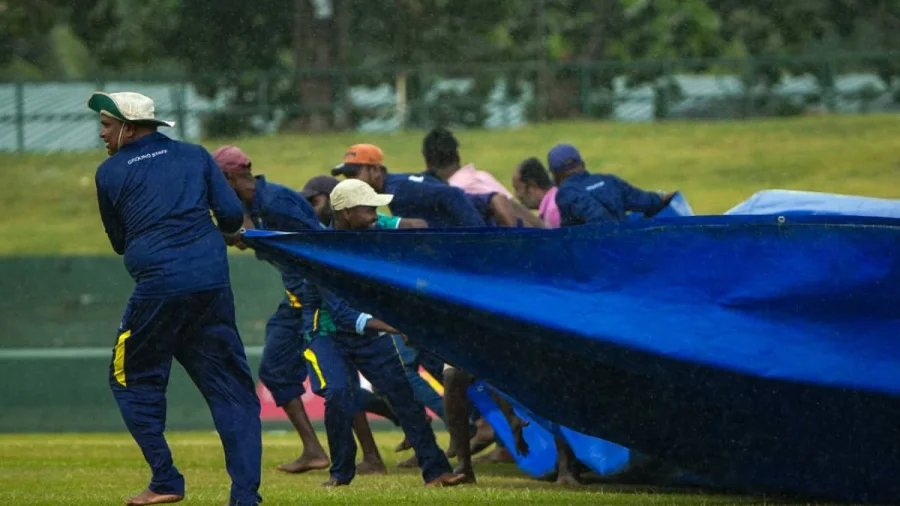
In a finish that left Indian cricket fans heartbroken, Afghanistan A pulled off a stunning four-run victory over India A via the Duckworth-Lewis-Stern method after persistent tropical storms at the Rangiri Dambulla International Stadium on Thursday. The result, dictated by the mathematical complexities of rain-affected cricket, saw Afghanistan A edge past the par score just before the final weather intervention permanently terminated play.
How the DLS Drama Unfolded in Dambulla
India A, after being put in to bat, had posted a formidable total in their allotted overs. However, the match was repeatedly interrupted by tropical storms, forcing officials to revise the target. Afghanistan A were set a mathematically adjusted target of 294 runs in 38 overs under the DLS method. The touring side reached 177 for the loss of two wickets before the final, decisive rain shower arrived, leaving them ahead of the required par score by a slender margin of four runs.
Why This Defeat Hurts for India A
For India A, this loss is particularly painful. They had posted a total that would have been challenging in a full 50-over contest. The DLS method, while a necessary tool for rain-affected matches, often produces results that feel unfair to the team that batted first, especially when a strong total is posted. The defeat robs India A of crucial points in the ACC Emerging Teams Asia Cup and exposes the unpredictable nature of cricket in tropical conditions.
The Timeline of a Rain-Interrupted Contest
The match began under clear skies, but dark clouds soon gathered over Dambulla. The first rain interruption came during India A's innings, forcing a brief delay. After India A completed their innings, the target was revised. Afghanistan A's chase was steady, with their openers laying a solid foundation. Another rain break reduced the overs further, and the target was recalculated. When the final storm arrived, Afghanistan A were 177/2, and the DLS par score was 173. The four-run margin was a cruel twist for India A, who had controlled large parts of the game.
Who Was Affected by This Result
This result directly impacts the players selected for India A, many of whom are on the fringes of the senior national team. A loss in a tournament like the Emerging Teams Asia Cup can affect selection chances and team morale. For Afghanistan A, this victory is a massive boost, showcasing their growing depth in cricket and their ability to compete with and defeat a strong Indian side. For fans, it is a reminder of how weather can dramatically alter the outcome of a sporting contest.
Match Officials and the DLS Decision
Match officials, after consulting with the ground staff and monitoring the persistent rain, determined that no further play was possible. The DLS method was applied using the standard par score calculations. The decision, while mathematically correct, left many questioning whether the target was fair given the number of interruptions. Officials stated that the rules were applied as per ICC regulations, and the result stands.
Understanding the DLS Method and Its Impact
The Duckworth-Lewis-Stern method is designed to set a fair target in rain-affected matches by calculating the resources (overs and wickets) each team has. However, it is often criticized for favoring the team batting second, especially when multiple rain breaks occur. In this case, Afghanistan A's steady start meant they were always ahead of the required rate, and the final rain break sealed their victory. The method, while objective, can feel harsh to the team that batted first.
Confirmed Facts vs What Remains Unclear
Confirmed: Afghanistan A won by 4 runs via DLS. India A posted a strong total. Persistent tropical storms ended play. The DLS par score was 173 when play stopped.
Unclear: The exact final score of India A's innings and the precise number of rain interruptions are not fully detailed in the available source material. The specific reactions from players and coaches are also not available.
Afghanistan A's Growing Credentials in Emerging Cricket
This victory is not an isolated incident. Afghanistan's cricket system has been producing talented players who are now making their mark at the A-team level. Their ability to chase down a revised target against a strong Indian side demonstrates their tactical awareness and composure under pressure. This win will be seen as a statement of their rising standards in Asian cricket.
Risks and Balanced View of the DLS Outcome
While Afghanistan A's victory is legitimate under the rules, the DLS method remains a controversial tool. Critics argue that it can produce unfair results, especially when multiple rain breaks disrupt the rhythm of the game. Supporters point out that it is the best available system for ensuring a result in rain-affected matches. The debate over DLS will likely continue, especially after such a close and dramatic finish.
Wider Trend: Weather Disruptions in Sri Lankan Cricket
This match is the latest in a series of games affected by tropical weather in Sri Lanka. The monsoon season often leads to unpredictable conditions, and tournaments scheduled during this period must account for frequent rain breaks. The DLS method becomes a decisive factor in such tournaments, and teams must strategize accordingly.
What This Means for India A and Afghanistan A
For India A, this loss is a setback but not a knockout blow. They will need to regroup and focus on their remaining matches. For Afghanistan A, this victory provides momentum and confidence. Both teams will learn from this experience, with India A understanding the need to adapt to rain-affected scenarios and Afghanistan A gaining belief in their ability to compete at the highest level.
Future Outlook for the Tournament
The ACC Emerging Teams Asia Cup is far from over. India A will need to win their remaining matches to stay in contention. Afghanistan A, buoyed by this win, will look to build on this performance. The weather in Dambulla will continue to be a factor, and teams must be prepared for more DLS interventions.
Our Take
This match was a classic example of how cricket can be both beautiful and cruel. India A played well enough to win in normal conditions, but the weather and the DLS method conspired against them. Afghanistan A, to their credit, kept their composure and stayed ahead of the required rate. The result is a reminder that in cricket, as in life, the rules must be followed, even when they feel unfair. For India A, the heartbreak will sting, but it is also a learning opportunity. For Afghanistan A, this is a moment to celebrate and build upon.
Frequently Asked Questions
How did Afghanistan A beat India A by 4 runs via DLS?
Afghanistan A were set a revised target of 294 in 38 overs under the DLS method after rain interruptions. They reached 177/2 before persistent rain ended play. The DLS par score at that point was 173, meaning Afghanistan A were ahead by 4 runs, securing the win.
What is the DLS method in cricket?
The Duckworth-Lewis-Stern (DLS) method is a mathematical formula used to set a revised target in rain-affected limited-overs cricket matches. It calculates the target based on the resources (overs and wickets) each team has had.
Why is the DLS method sometimes considered unfair?
The DLS method is often criticized for favoring the team batting second, especially when multiple rain breaks occur. It can produce results that feel harsh to the team that batted first, as it does not account for the momentum or quality of the innings already played.
What happens next for India A in the tournament?
India A will need to win their remaining matches in the ACC Emerging Teams Asia Cup to stay in contention for the title. The loss to Afghanistan A is a setback, but the team has the talent to bounce back.