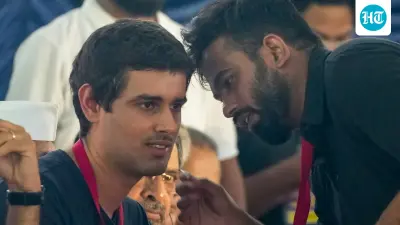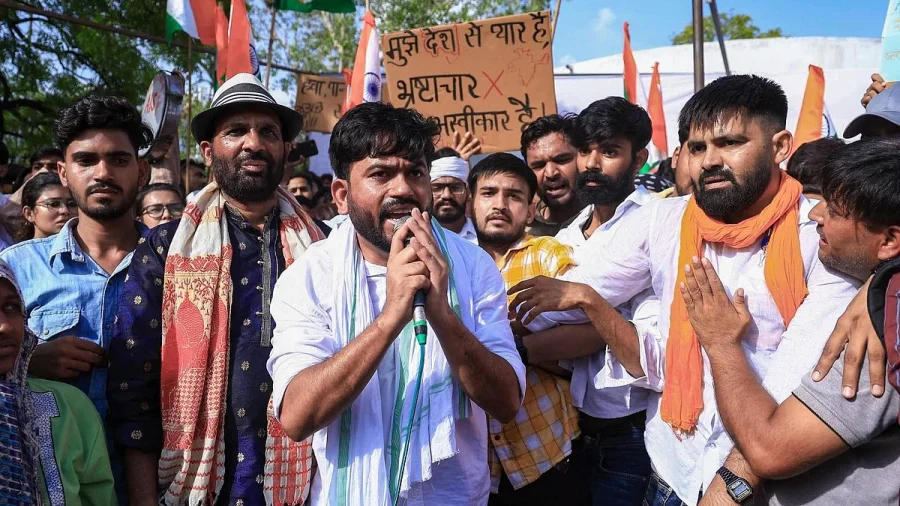
Abhijeet Dipke, the founder of the Cockroach Janta Party (CJP), has made it clear that his party will not be contesting elections anytime soon. Speaking at a press conference in Nagpur on Tuesday, Dipke instead trained his fire on Prime Minister Narendra Modi, accusing him of ignoring students during the NEET-UG controversy.
CJP's electoral stance: Why Dipke is staying out of the poll fray
When asked whether the CJP planned to enter electoral politics, Dipke was blunt. "Why should we contest elections? If everyone in this country has to contest elections to demand their rights, how will it work?" he said. The statement signals a deliberate choice to remain a protest movement rather than a political party.
Why the PM's silence on NEET-UG is a flashpoint
Dipke's criticism of Prime Minister Modi was sharp. He argued that the PM should have personally reached out to students affected by the NEET-UG paper leak and other exam irregularities. "The Prime Minister should have spoken to the students. He should have understood their pain," Dipke said, adding that the government's response has been inadequate.
How the NEET-UG controversy unfolded
The NEET-UG 2024 exam was marred by allegations of a paper leak, leading to widespread protests and legal challenges. The Supreme Court is currently hearing petitions related to the controversy. The CJP has been at the forefront of student protests, demanding a thorough investigation and accountability from the Education Ministry.
Who is affected by the CJP's decision
For thousands of students who have rallied behind the CJP, Dipke's announcement means the party will remain a voice of protest rather than a vehicle for legislative change. Students who hoped the CJP would enter Parliament to directly influence policy may be disappointed, but Dipke argues that street protests are more effective than electoral politics for their cause.
Union Minister Dharmendra Pradhan under fire
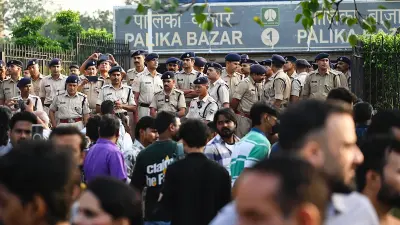
The CJP's immediate demand is the resignation of Union Education Minister Dharmendra Pradhan. Dipke accused Pradhan of failing to ensure the integrity of the NEET-UG exam. "The minister is responsible for the mess. He should step down," Dipke said at the press conference. The protest in Nagpur is part of a larger campaign to pressure the government.
What Dipke's strategy means for student politics
By refusing to contest elections, Dipke is betting that sustained public pressure can achieve more than parliamentary seats. This approach mirrors some activist groups that prioritise agitation over institutional participation. However, critics argue that without electoral representation, the CJP's ability to force policy changes remains limited.
Confirmed facts vs what remains unclear
Confirmed: Dipke stated the CJP will not contest elections. He criticised PM Modi for not reaching out to students. The CJP is demanding Dharmendra Pradhan's resignation. A protest is planned in Nagpur.
Unclear: Whether the CJP will ever contest elections in the future. The exact timeline for the protest. Whether the government will respond to the demand for Pradhan's resignation.
Risks and balanced view of the CJP's approach
While Dipke's stance has energised student supporters, it also carries risks. Without electoral participation, the CJP may struggle to sustain momentum or translate public anger into concrete policy changes. Some analysts argue that student movements need both street power and legislative voice to be effective. Others point out that the CJP's single-issue focus on exam reforms may limit its broader appeal.
The wider trend of student-led protests in India
The CJP is part of a larger pattern of student activism in India, from the JNU protests to the anti-CAA demonstrations. What sets the CJP apart is its unconventional branding and refusal to enter electoral politics. This reflects a growing disillusionment among young Indians with traditional political parties and electoral processes.
What students and supporters should do now
For students who support the CJP's cause, Dipke's message is clear: continue to protest and demand accountability. Those who want to see the CJP in Parliament may need to wait, as the party has no immediate plans to field candidates. Students affected by the NEET-UG controversy should stay updated on Supreme Court hearings and continue to engage with the CJP's protests.
What could happen next
The immediate focus is on the Nagpur protest and the demand for Pradhan's resignation. If the government does not respond, the CJP may escalate its agitation. In the longer term, Dipke's decision to avoid elections could either strengthen the CJP's image as a pure activist group or limit its influence. The Supreme Court's verdict on the NEET-UG case will also shape the next phase of the movement.
Our Take
Dipke's decision to keep the CJP out of electoral politics is a calculated gamble. It allows the party to maintain its activist purity but also risks irrelevance if the government simply waits out the protests. The criticism of PM Modi for not engaging with students is valid — the NEET-UG controversy has caused genuine distress among millions of young Indians. Whether the CJP can sustain pressure without electoral power remains the key question.
Frequently Asked Questions
Why is CJP not contesting elections?
Founder Abhijeet Dipke believes that contesting elections is not necessary to demand rights. He argues that street protests and public pressure are more effective for the CJP's student-focused agenda.
What is the CJP demanding from the government?
The CJP is demanding the resignation of Union Education Minister Dharmendra Pradhan over the NEET-UG paper leak controversy. They also want a thorough investigation and accountability for exam irregularities.
Has PM Modi responded to the CJP's criticism?
As of now, there has been no official response from Prime Minister Modi or his office regarding Dipke's comments. The CJP's criticism centres on the PM's perceived silence on student issues.
Will the CJP ever contest elections in the future?
Dipke has not ruled out future electoral participation but has made it clear that it is not the party's immediate priority. The CJP's current focus remains on student activism and protests.