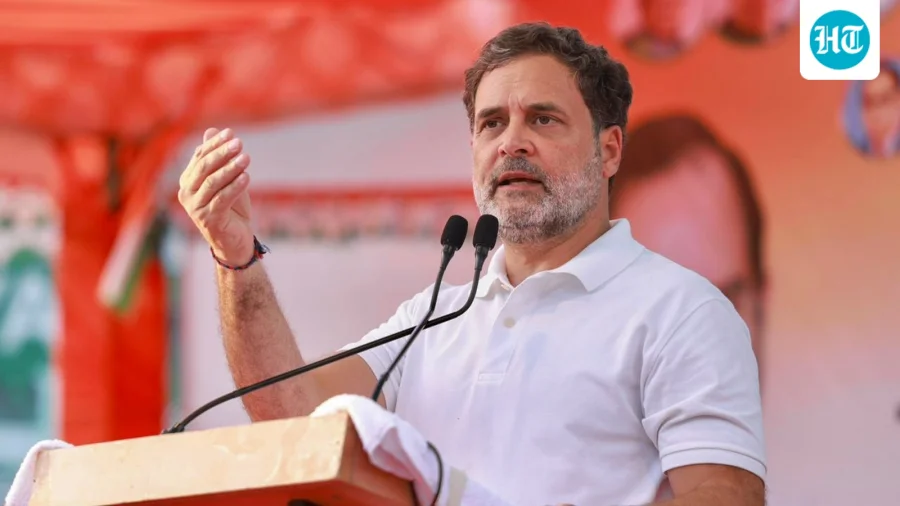
Rahul Gandhi has sent a clear message to the opposition ranks: the 2024 election was not a loss, and the INDIA bloc is already on course to win the 2029 general elections. Speaking at an India Alliance leaders' meeting in Delhi on June 9, the Congress leader urged all opposition parties to set aside differences and unite for a decisive victory in the next electoral battle.
The message of defiance and confidence
In remarks later shared through an audio clip on his YouTube channel, Gandhi told alliance partners that the opposition had not been defeated in 2024. Instead, he framed the current moment as the beginning of a winning march toward 2029. "We didn't lose in 2024, we have already won 2029," he asserted, urging parties to focus on resistance against the ruling BJP.
Why this matters for Indian politics
Gandhi's statement is more than political rhetoric — it reflects a strategic shift within the INDIA bloc. After the 2024 Lok Sabha results, where the BJP fell short of a majority but returned to power with allies, the opposition sees an opportunity. The Congress leader's confidence is aimed at energizing party workers and alliance partners, signaling that the next six years are a preparation period for a comeback.
Background: The INDIA bloc's formation and 2024 performance
The Indian National Developmental Inclusive Alliance (INDIA) was formed in mid-2023 as a coalition of opposition parties to challenge the BJP's dominance. In the 2024 elections, the bloc won over 230 seats collectively, denying the BJP a single-party majority. While the BJP-led NDA formed the government, the opposition's improved performance has given it a morale boost and a platform to build on.
Who is affected by this political positioning
Gandhi's message directly impacts opposition party workers, voters who want an alternative to the BJP, and the alliance's leadership. For millions of Indians who voted for INDIA bloc candidates, the statement reinforces hope that their support is building toward a future victory. It also puts pressure on alliance partners to remain united and avoid internal conflicts that could derail the momentum.
Official response and alliance dynamics
Gandhi's remarks were made at a closed-door meeting of INDIA bloc leaders, later shared publicly. The Congress has positioned itself as the natural leader of the coalition, but managing diverse regional parties with competing ambitions remains a challenge. Some allies have expressed caution about overconfidence, while others welcome the aggressive messaging. The coming months will test whether the bloc can translate this confidence into a cohesive strategy.
Analysis: What 'already won 2029' really means
Gandhi's framing is a deliberate political tactic. By declaring victory before the battle, he aims to shift the narrative from the BJP's return to power to the opposition's growing strength. It also serves as a rallying cry to prevent demoralization after a close but unsuccessful bid for government formation. However, political analysts caution that electoral victories are never guaranteed, and the INDIA bloc must address internal divisions, ideological differences, and organizational weaknesses to make the 2029 prediction a reality.
Confirmed facts vs what remains unclear
What is confirmed: Rahul Gandhi made the statement at an INDIA bloc meeting on June 9, and an audio clip was shared on his YouTube channel. What remains unclear: the specific electoral strategy, seat-sharing arrangements, and whether all alliance partners fully endorse this optimistic timeline. Some speculation exists about potential leadership conflicts within the bloc, but no official confirmation has been provided.
Risks and balanced view
While Gandhi's confidence energizes supporters, it also carries risks. Overconfidence could lead to complacency, and internal rivalries within the INDIA bloc could undermine unity. Critics argue that the BJP's organizational strength, financial resources, and incumbency advantage make a 2029 victory far from certain. Additionally, the opposition must contend with the challenge of offering a credible alternative vision beyond anti-incumbency. A balanced view acknowledges that while the INDIA bloc has momentum, translating it into a majority requires sustained effort and strategic discipline.
Wider trend: Opposition resurgence in Indian politics
Gandhi's statement is part of a broader pattern of opposition resurgence after the 2024 elections. Across several states, regional parties and Congress have gained ground, challenging the BJP's dominance. This trend reflects a more competitive electoral landscape, where no single party can take victory for granted. The INDIA bloc's ability to capitalize on this shift will shape Indian politics for the next decade.
Practical guidance for voters and observers
For voters who support the opposition, the message is to stay engaged and watch for concrete policy platforms and alliance agreements. For political observers, the key indicators to track are seat-sharing negotiations, candidate selection, and the bloc's ability to present a unified front in by-elections and state polls. Investors and businesses should monitor political stability signals, as a stronger opposition could lead to more contentious parliamentary debates and policy gridlock.
Future outlook
The next six years will determine whether Gandhi's confidence is prophetic or premature. The INDIA bloc must navigate state elections, potential leadership changes, and the BJP's counter-strategies. If the alliance remains united and expands its base, a 2029 victory is plausible. However, internal fractures or a strong BJP recovery could derail the plan. The coming months of parliamentary sessions and state polls will offer early tests of the bloc's cohesion.
Our Take
Rahul Gandhi's declaration is a bold political move that serves multiple purposes: it boosts morale, sets a narrative, and puts the BJP on notice. But elections are won on the ground, not in audio clips. The INDIA bloc's real test lies in translating confidence into organizational strength, candidate selection, and voter outreach. If the alliance can maintain unity and offer a credible alternative, 2029 could indeed be its moment. If not, the statement will be remembered as premature optimism. For now, it has succeeded in one thing — making the opposition's ambition impossible to ignore.
Frequently Asked Questions
Did Rahul Gandhi say the INDIA bloc won the 2024 elections?
No. He said the bloc did not lose the 2024 elections and is already positioned to win in 2029. The statement was made at an INDIA bloc leaders' meeting in Delhi on June 9.
What is the INDIA bloc's strategy for 2029?
According to Rahul Gandhi, the strategy is to maintain unity among opposition parties and focus on resistance against the ruling BJP. The bloc aims to build on its 2024 performance to secure a majority in 2029.
Is the INDIA bloc confident of winning the next general election?
Rahul Gandhi expressed confidence that the bloc has already won the 2029 election in terms of momentum and positioning. However, this is a political statement, and actual electoral outcomes depend on many factors including alliance cohesion and voter sentiment.
What challenges does the INDIA bloc face before 2029?
The bloc faces challenges including internal leadership conflicts, ideological differences among member parties, organizational weaknesses, and the BJP's incumbency advantage and financial resources. Maintaining unity over six years will be a significant test.