For millions of children in West Bengal, the midday meal at school is not just lunch — it is often the most nutritious meal of the day. And for many, that meal includes an egg. Now, a political storm is brewing over whether that egg will disappear from the plate.
Eggs at the centre of a political nutrition battle
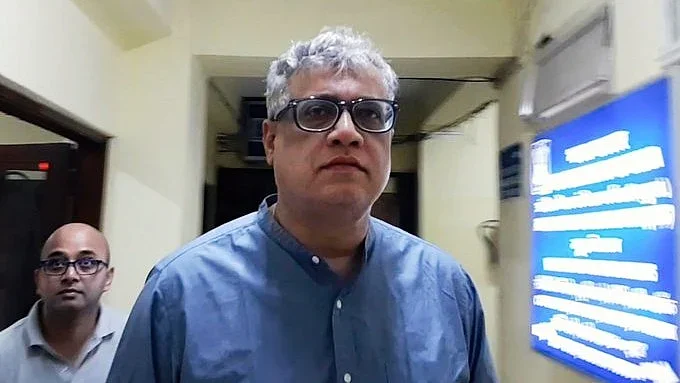
Trinamool Congress (TMC) leader Derek O'Brien on Wednesday launched a sharp attack on the BJP, accusing the party of trying to impose vegetarianism on West Bengal through the state's school midday meal policy. The allegation follows reports that eggs could be removed from the menu under a new scheme involving the International Society for Krishna Consciousness (ISKCON).
Why this matters for Bengal’s schoolchildren
For many children from economically weaker families, the school meal is a critical source of protein and calories. Eggs are one of the cheapest and most accessible sources of high-quality protein in India. Nutrition experts have long advocated for including eggs in midday meals to combat malnutrition, particularly in states like West Bengal where fish and eggs are dietary staples. Removing eggs, O'Brien argued, would deprive children of an essential nutrient at a formative age.
How the controversy unfolded
The row erupted after the newly elected BJP government in West Bengal presented its first state budget. Finance minister Swapan Dasgupta announced that ISKCON would assist in the preparation and distribution of meals under the midday meal scheme. Media reports subsequently suggested that the proposed menu could replace eggs with plant-based protein alternatives, triggering sharp criticism from the Opposition. O'Brien's remarks came in response to these reports, with the TMC leader accusing the BJP of "imposing vegetarianism" on a state with a strong non-vegetarian food culture.
Who is affected and what is at stake
The midday meal scheme is one of India's largest school feeding programmes, covering crores of children across the country. In West Bengal, the programme is particularly significant given the state's high rates of child malnutrition. Any change to the menu — especially the removal of eggs — could have direct nutritional consequences for children who depend on the meal for their daily protein intake. The controversy also touches on cultural and dietary identity, with many in Bengal viewing the move as an attack on the state's food traditions.
Official response and political reactions
The BJP government has not officially confirmed that eggs will be removed from the menu. However, the announcement of ISKCON's involvement has raised concerns among Opposition parties and nutrition advocates. Derek O'Brien, speaking in his characteristic style, accused the BJP of "dietary colonialism" and warned that the move could set a dangerous precedent for other states. The TMC has demanded clarity from the state government on the proposed menu and has called for the continuation of eggs in the midday meal.
What the ISKCON involvement means
ISKCON is a Hindu religious organisation known for its vegetarian and sattvic dietary principles. Its involvement in the midday meal scheme has raised questions about whether religious dietary preferences are influencing a state-funded nutrition programme. Critics argue that while ISKCON's expertise in large-scale meal preparation is valuable, the menu should be based on nutritional science and local dietary habits, not religious ideology. Supporters of the move say plant-based alternatives can provide adequate protein and that the focus should be on overall meal quality.
Confirmed facts vs what remains unclear
Confirmed: The BJP government's budget announced ISKCON's role in midday meal preparation. Derek O'Brien has publicly criticised the move. Media reports have suggested eggs may be replaced with plant-based alternatives.
Unclear: Whether eggs will actually be removed from the menu. The exact menu proposed by ISKCON. Whether the state government has made a final decision on the meal composition. The nutritional adequacy of proposed plant-based alternatives.
Risks and balanced view
Critics of the move warn that removing eggs could worsen child malnutrition in a state where protein deficiency is already a concern. They also argue that imposing vegetarianism through a state programme infringes on cultural and dietary freedom. Supporters, however, point out that plant-based proteins like lentils and soy can be nutritionally adequate if properly planned. The key question is whether the alternatives will be as affordable, accessible, and acceptable to children as eggs. There are also concerns about the precedent this could set for other states with diverse food cultures.
Wider trend: Diet, politics and school nutrition in India
The West Bengal controversy is part of a larger national debate over the role of dietary preferences in public policy. In several states, the inclusion or exclusion of eggs in midday meals has been a politically charged issue, with some governments citing religious sentiments and others prioritising nutritional science. The debate reflects deeper tensions between cultural identity, religious beliefs, and evidence-based nutrition policy in a diverse country like India.
What parents and citizens should know
Parents of schoolchildren in West Bengal should stay informed about any changes to the midday meal menu. If eggs are removed, families may need to supplement their children's protein intake at home. Citizens concerned about the issue can write to their local representatives and the state education department. Nutrition advocates recommend that any menu change should be backed by transparent nutritional analysis and should consider local dietary habits and children's preferences.
What happens next
The state government is expected to release further details about the midday meal menu in the coming weeks. Political pressure from the TMC and other Opposition parties may force the BJP to clarify its position. Nutrition experts and civil society groups are likely to weigh in with their own assessments. The controversy could also influence school meal policies in other states where similar debates are ongoing.
Our Take
The midday meal scheme is one of India's most successful social welfare programmes, and its nutritional integrity must be protected. While ISKCON's involvement in meal preparation is not inherently problematic, any change to the menu should be driven by nutritional science and local dietary needs — not religious ideology. The BJP government must be transparent about its plans and ensure that children do not lose access to essential nutrients. This controversy is a reminder that food policy in India is never just about food — it is about culture, identity, and the well-being of the most vulnerable.
Frequently Asked Questions
Why is Derek O’Brien accusing the BJP of imposing vegetarianism?
Derek O’Brien alleges that the BJP is using the school midday meal scheme to push vegetarian dietary preferences on West Bengal, following reports that eggs may be removed from the menu and replaced with plant-based alternatives under ISKCON's involvement.
Will eggs actually be removed from West Bengal’s midday meals?
No official confirmation has been made. The state government has announced ISKCON's role in meal preparation, and media reports suggest eggs could be replaced, but a final decision has not been publicly confirmed.
What is ISKCON’s role in the school meal scheme?
The BJP government's budget announced that ISKCON would assist in preparing and distributing meals under the midday meal scheme. ISKCON follows vegetarian and sattvic dietary principles, which has raised concerns about the menu composition.
How could removing eggs affect children’s nutrition?
Eggs are a cheap and high-quality source of protein, essential for child growth and development. Removing them could worsen protein deficiency, especially for children from low-income families who depend on the school meal for nutrition.