The image of Donald Trump’s portrait on a Delhi auto-rickshaw was meant to be a cheerful birthday greeting for America. Instead, it has become a flashpoint of anger. Delhi’s auto-rickshaw association has sharply criticised the US Embassy’s ‘Freedom 250’ advertising campaign, following the death of three Indian sailors in a US military attack. Drivers are now stripping the banners from their vehicles, and the association is demanding the campaign be withdrawn.
Why auto drivers are stripping US Embassy banners
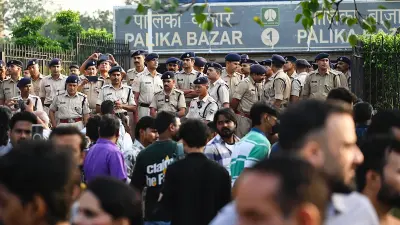
The backlash is rooted in the deaths of three Indian sailors who were killed in a US attack. The auto-rickshaw association says it is inappropriate for the US Embassy to run a celebratory campaign in Delhi while Indian lives have been lost. “We cannot promote a country that has killed our own people,” a representative of the association told reporters. Drivers have begun removing the banners voluntarily, and some have refused to participate in the campaign altogether.
The ‘Freedom 250’ campaign: What it was meant to be
The US Embassy launched the ‘Freedom 250’ campaign to mark America’s 250th anniversary. As part of the initiative, auto-rickshaws in New Delhi were decorated with banners featuring Donald Trump’s portrait and the message “Happy Birthday America!”. The campaign was intended to be a lighthearted, visible way to celebrate the milestone. However, the timing has proven deeply insensitive.
Three Indian sailors killed: The incident that sparked the anger
The deaths occurred during a US military operation. While details of the attack remain under investigation, the incident has caused outrage in India. The auto-rickshaw association’s criticism is the latest in a series of reactions from Indian groups and individuals who view the campaign as tone-deaf. The sailors’ families have not yet commented on the embassy’s campaign.
Who is affected and why it matters
The controversy affects not just the auto-rickshaw drivers, but also the broader public perception of US-India relations. For many Delhi residents, the auto-rickshaw is a daily part of life. Seeing a US Embassy banner on a vehicle now carries a painful reminder of the sailors’ deaths. The association’s stand reflects a wider sentiment that commercial or diplomatic campaigns must be sensitive to real-world events.
US Embassy yet to respond
As of now, the US Embassy has not issued a formal statement addressing the criticism. The embassy’s social media pages still promote the ‘Freedom 250’ campaign, but no official response to the auto association’s demands has been made. It remains unclear whether the embassy will withdraw the campaign or issue an apology.
Why this campaign backfired
The ‘Freedom 250’ campaign was designed to generate goodwill and visibility. Instead, it has become a symbol of diplomatic insensitivity. The auto-rickshaw, a ubiquitous and beloved part of Delhi’s streets, was chosen for its reach. But the association’s protest has turned the campaign into a liability. The incident highlights how quickly a well-intentioned marketing effort can backfire when it ignores the emotional and political context of its audience.
Confirmed facts vs what remains unclear
Confirmed: The US Embassy launched the ‘Freedom 250’ campaign with banners on Delhi auto-rickshaws. The Delhi auto-rickshaw association has criticised the campaign. Auto drivers are removing the banners. Three Indian sailors were killed in a US attack. Unclear: Whether the US Embassy will withdraw the campaign. Whether the embassy was aware of the sailors’ deaths before launching the campaign. The exact nature of the US attack that killed the sailors. Whether the association will take further action.
Risks and concerns: A diplomatic misstep
The controversy risks damaging the public perception of the US Embassy in India. Critics argue that the campaign shows a lack of cultural and emotional awareness. Supporters of the campaign say it was planned months in advance and was not intended to coincide with the sailors’ deaths. However, the association’s protest has made it clear that the timing is unacceptable. The incident could also strain US-India relations at a grassroots level.
Wider pattern: When diplomacy meets street-level protest
This is not the first time a foreign embassy’s campaign has sparked backlash in India. In recent years, several diplomatic initiatives have faced criticism for being out of touch with local sentiment. The auto-rickshaw protest is a reminder that in a country as diverse and politically aware as India, even a simple advertising campaign can become a political statement. The incident also reflects the growing power of local associations and unions to shape public discourse.
What Delhi residents should know
If you see an auto-rickshaw with a US Embassy banner, it may soon be removed. The association has urged drivers to stop participating in the campaign. Residents who support the protest can choose not to hire autos that still display the banners. The situation is evolving, and further protests or statements from the association are expected.
What happens next
The auto-rickshaw association has said it will escalate its protest if the US Embassy does not respond. This could include larger demonstrations or a complete boycott of the campaign. The embassy may issue a statement in the coming days. The incident is likely to be discussed in diplomatic circles, and may affect how future US Embassy campaigns are planned in India.
Our Take
This story is a classic case of good intentions meeting bad timing. The US Embassy’s ‘Freedom 250’ campaign was probably designed to be fun and engaging. But the deaths of three Indian sailors have turned it into a symbol of insensitivity. The auto-rickshaw association’s protest is understandable and reflects a genuine emotional response. The embassy would do well to listen, apologise, and withdraw the campaign. In diplomacy, as in life, timing is everything.
Frequently Asked Questions
Why are Delhi auto-rickshaw drivers protesting the US Embassy campaign?
Drivers are protesting because three Indian sailors were killed in a US attack. They believe it is inappropriate for the US Embassy to run a celebratory campaign in Delhi while Indian lives have been lost.
What is the ‘Freedom 250’ campaign?
It is a US Embassy campaign marking America’s 250th anniversary. It placed banners on auto-rickshaws in Delhi featuring Donald Trump’s portrait and the message “Happy Birthday America!”.
Has the US Embassy responded to the criticism?
As of now, the US Embassy has not issued a formal response to the auto-rickshaw association’s demands.
What will happen to the banners on auto-rickshaws?
Auto-rickshaw drivers are actively removing the banners. The association has demanded the complete withdrawal of the campaign.